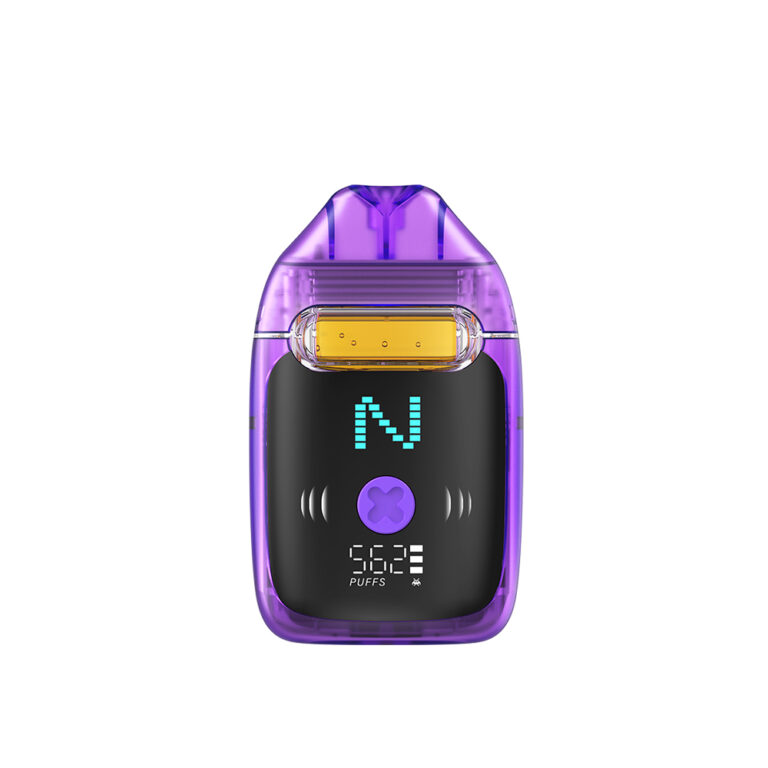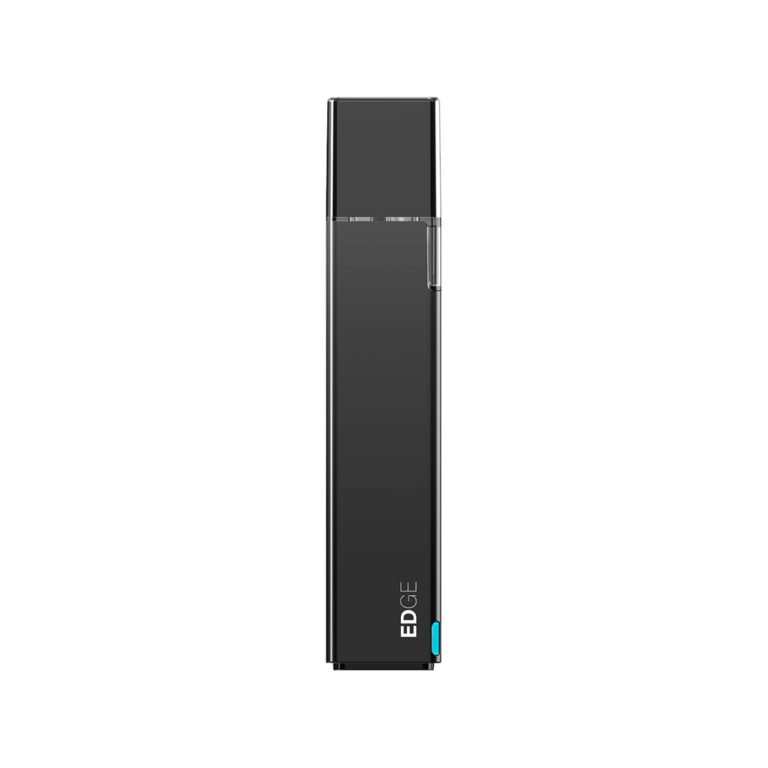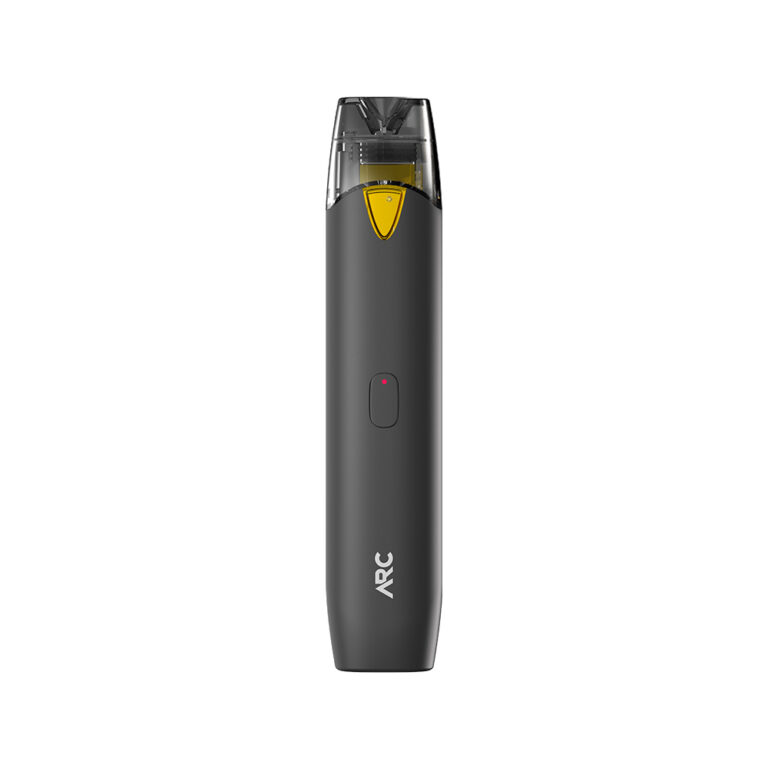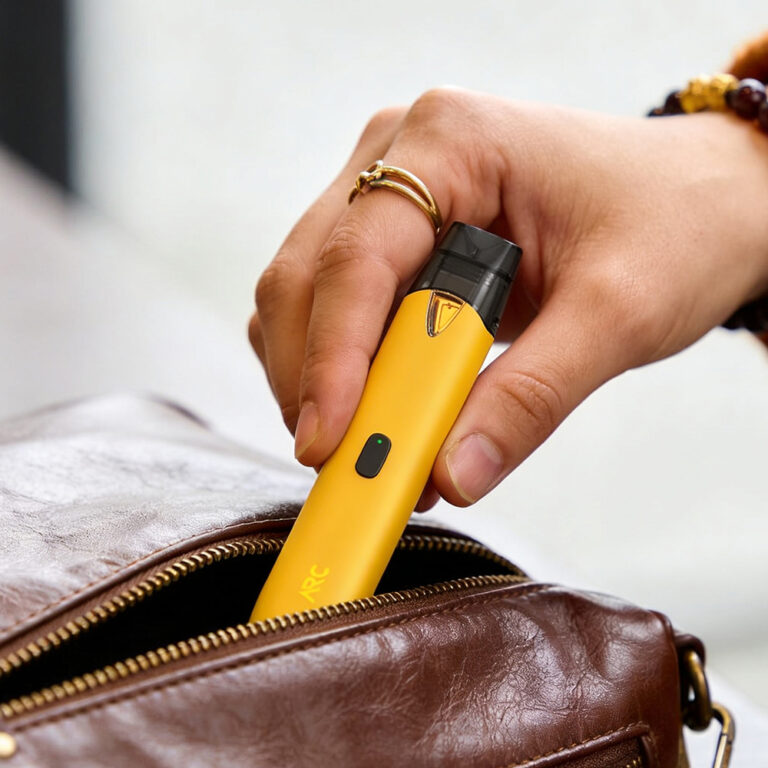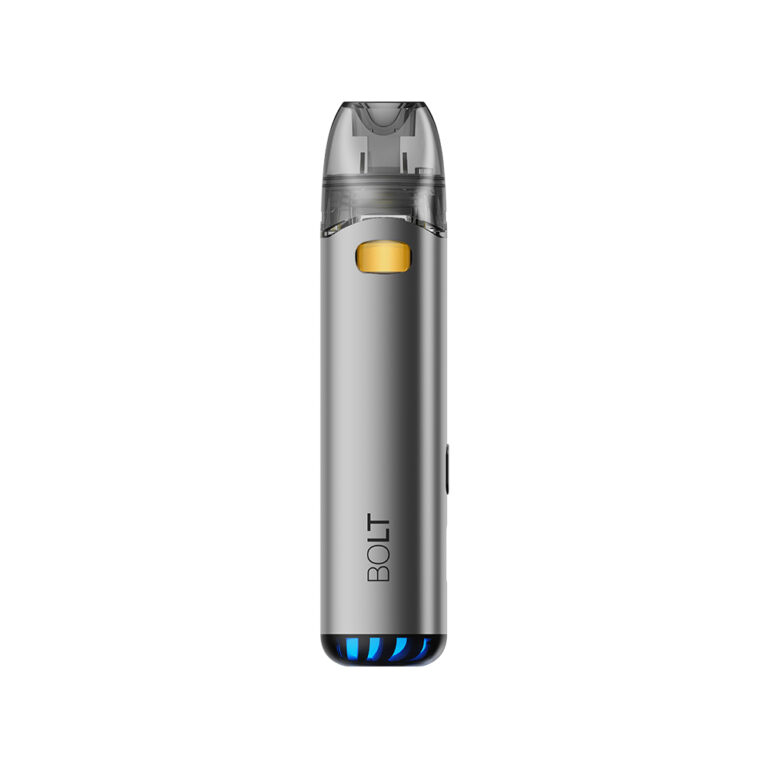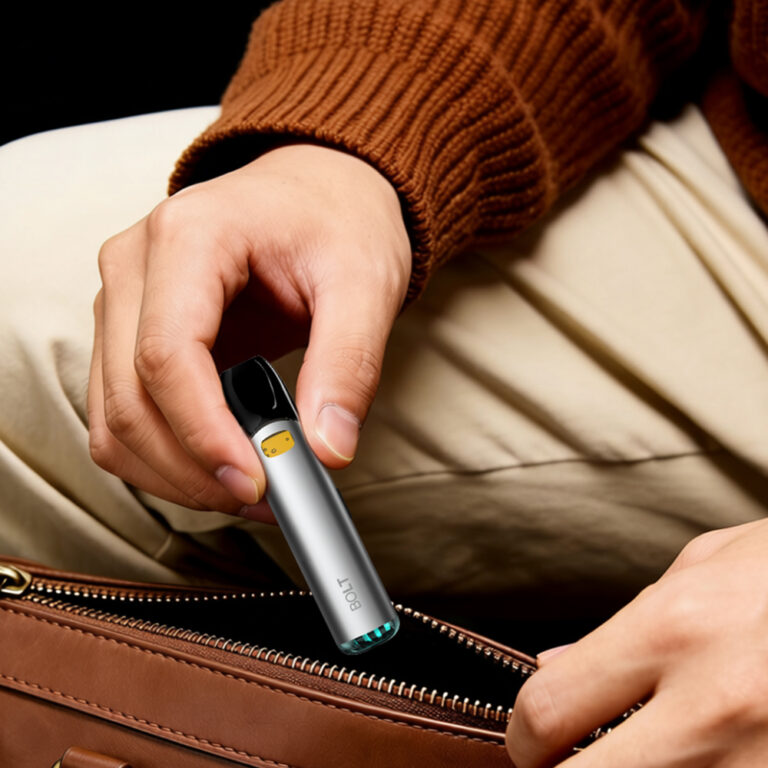
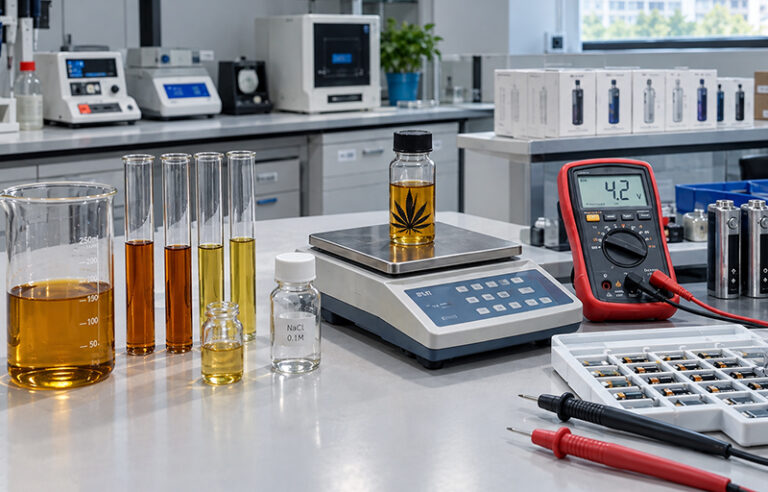
A pod system may pass an early sample review and still show performance differences when it is used with high-viscosity oils for a longer period. This is a common challenge in cannabis vape development because thicker formulations change how oil moves through the device, how quickly the heating area is supplied, and how the system behaves after repeated activation. For product teams, the important question is not whether a pod can produce vapor during a short demonstration, but whether the hardware can maintain stable oil delivery, consistent heating, and predictable performance throughout its intended usage cycle. A proper validation process should therefore connect the oil formulation with the pod structure, heating system, airflow design, and production requirements.
Why Do Some Pod Systems Perform Well in Samples but Fail With Thick Oils Later?
The first few draws from a pod system often provide limited information. At this stage, the reservoir is full, the heating area has sufficient oil supply, and the device has not experienced repeated thermal cycles. Some compatibility issues only become visible after the oil level changes or the user continues operating the device.
High-viscosity oils create a different working condition compared with thinner formulations. The oil needs more time and suitable pathways to reach the heating area. If the replenishment speed cannot match the amount of oil being consumed, the device may gradually lose performance.
What Happens When Oil Supply and Heating Demand Are Not Balanced?
The heating element and oil delivery system need to work at the same pace. When the heater requires more oil than the internal structure can provide, several issues may appear:
- vapor output decreases after repeated draws;
- flavor consistency changes during use;
- the user needs longer activation time;
- dry areas may develop around the heating surface.
On the other hand, excessive oil movement can create another set of problems. Too much oil reaching the heating area may increase residue, affect airflow, or create leakage concerns.
For brands developing products with live resin and rosin vape hardware, testing should focus on the actual oil behavior inside the device instead of only checking whether vapor is produced.
Which Pod System Design Factors Control High-Viscosity Oil Performance?
When a pod system struggles with thick oil, the cause is usually not one single component. The heating structure, oil inlet design, airflow path, and electrical output influence each other.
How Does the Heating Structure Affect Thick Oil Applications?
The heating area determines how efficiently oil is converted into vapor. However, a higher temperature or stronger output does not automatically solve oil delivery limitations.
A system that heats aggressively may consume oil faster than the reservoir can supply it. In this situation, increasing power may make the problem more noticeable rather than improving performance.
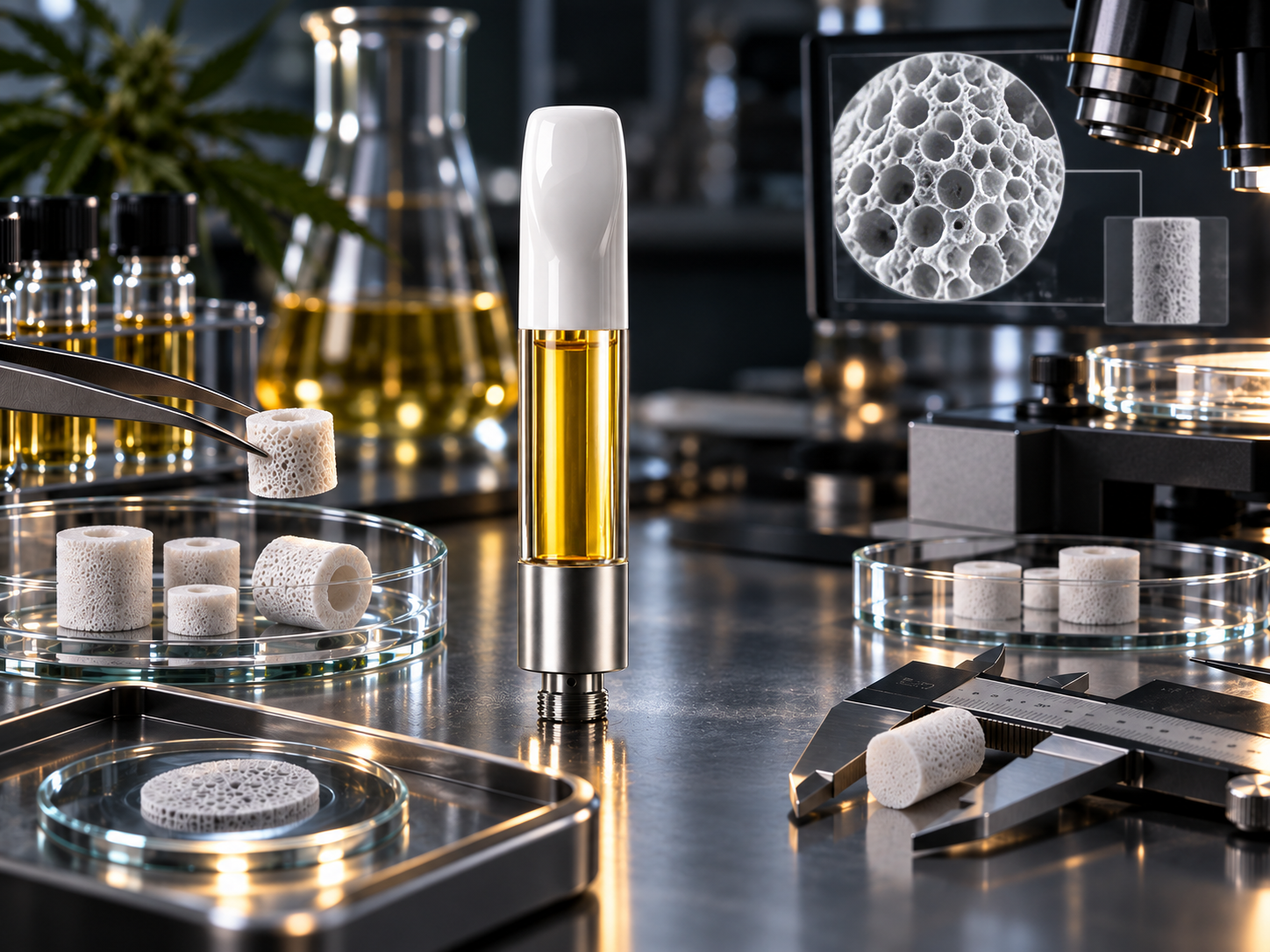
Ceramic heating structures are often considered for applications that require stable heat distribution. However, the result depends on the complete design, including ceramic structure, resistance, oil contact area, and airflow conditions.
When reviewing pod system vape hardware, brands should evaluate how the heating system works together with the oil path instead of judging the heating material separately.
Why Does Airflow Need to Be Tested Together With Oil Delivery?
Airflow changes how the user interacts with the device. A tighter airflow path may require stronger draws, while excessive airflow can influence vapor density and temperature perception.
For thick oils, airflow testing is especially important because the user’s draw behavior can affect how the heating system performs. A balanced design allows the device to maintain stable vapor production without creating additional stress on oil movement.
How Should Brands Build a Realistic Validation Test for Pod Systems?
A useful test plan should reflect the conditions the product will face after launch. A pod system should not only be tested when it is new; it should also be evaluated after storage, repeated use, and changes in oil level.
What Tests Reveal Real Performance Differences?
A practical validation process can include:
| Test Condition | What Engineers Can Observe |
|---|---|
| First activation | Initial heating response and vapor production |
| Continuous draws | Whether output changes over time |
| Storage period | Whether oil position and seals remain stable |
| Different temperatures | Whether oil movement changes under conditions |
| Multiple samples | Whether production consistency is acceptable |
The value of these tests comes from comparison. One sample performing well does not confirm that the design is ready for production. Several units should be evaluated under the same conditions to identify whether the result is repeatable.
Why Should Testing Use the Final Oil Formulation?
The oil is part of the hardware system. A pod that performs well with one formulation may behave differently with another because viscosity, terpene content, and storage behavior can affect oil movement.
Using the intended commercial oil during validation allows the development team to identify potential problems before production begins.
What Problems Can Appear When Moving From Pod Samples to Mass Production?
A successful prototype does not always translate into stable production. During scaling, small differences in components or assembly conditions can influence the final performance of a pod system.
This is especially important for high-viscosity applications because the acceptable operating range may be narrower.
Which Production Variables Need Attention?
Before mass production, teams should confirm:
- heating component specifications;
- resistance control;
- oil inlet structure;
- sealing process;
- filling conditions;
- inspection requirements.
A supplier’s manufacturing and quality capabilities can help buyers understand how production checks are organized after product development.
Why Can Small Changes Create Noticeable Performance Differences?
A small variation in resistance can change heating behavior. A difference in sealing or assembly can influence oil movement. These changes may not be obvious during visual inspection but can affect user experience after repeated operation.
For this reason, sample approval should include clear technical records. The approved sample should represent a defined production standard rather than only a reference product.
How Can Cannabis Brands Create a Reliable Pod System Approval Standard?
The final stage of testing is converting observations into requirements that can be followed during production. Without clear standards, different teams may evaluate the same product using different expectations.
What Information Should Be Included in the Approval Record?
A useful approval document should include:
- tested oil formulation;
- pod configuration;
- heating specification;
- operating conditions;
- filling method;
- leakage inspection requirements;
- acceptable performance range.
This information allows purchasing, engineering, and quality teams to communicate using the same reference.
How Does a Clear Standard Reduce Future Risk?
When a component changes or a production adjustment is introduced, the team can compare the new version against the approved requirements.
Instead of discovering a problem after shipment, engineers can determine whether additional testing is required before production continues.

Need Support Developing High-Viscosity Oil Pod System Projects?
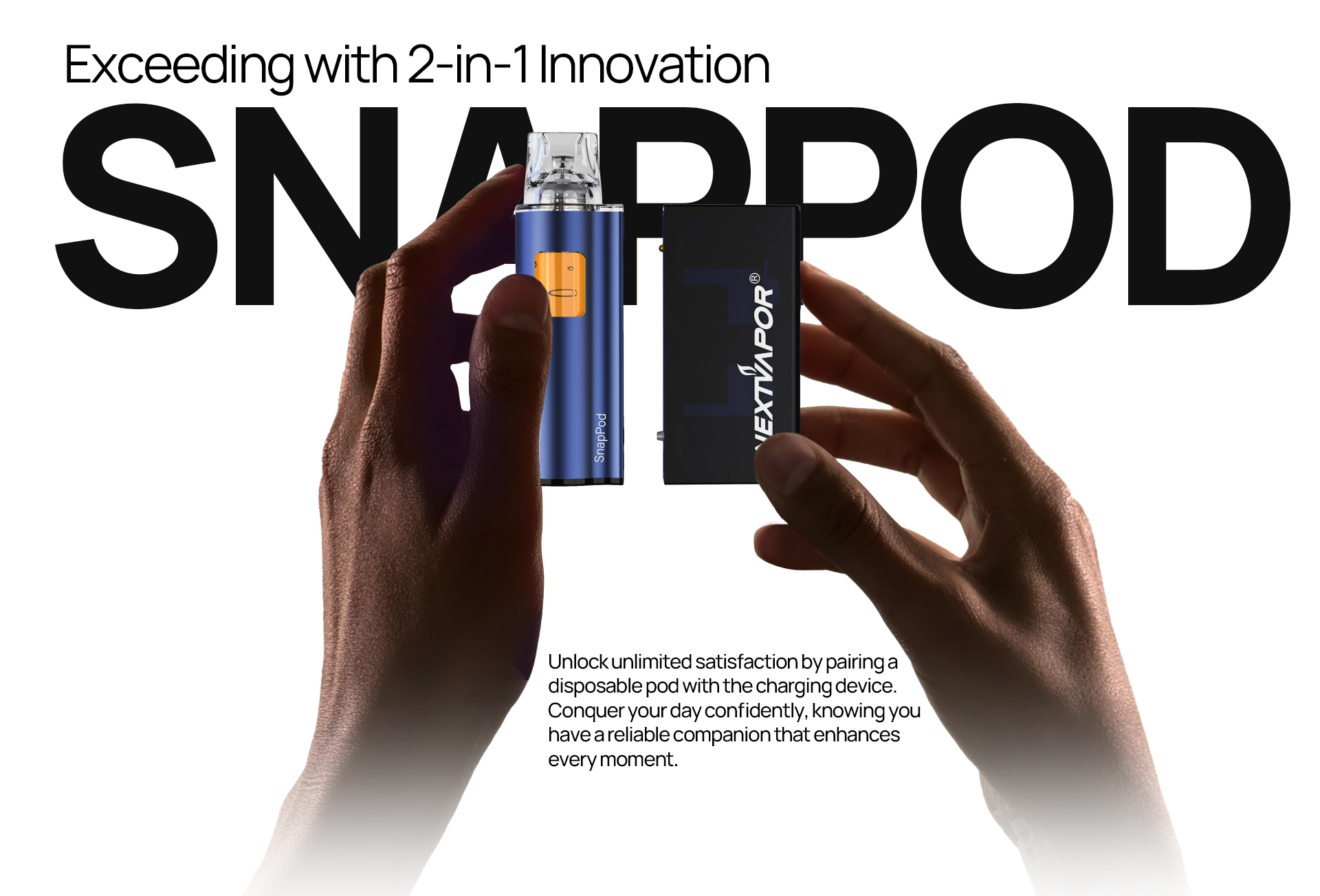
Nextvapor develops cannabis vape hardware for OEM and ODM projects involving pod systems, ceramic heating, airflow structures, oil delivery, filling processes, and manufacturing coordination. For high-viscosity oil applications, the development process requires evaluating how the formulation interacts with the pod structure and heating system under realistic conditions. The SnapPod platform uses ceramic coil technology and supports different pod configurations, providing a reference option for projects that require evaluation of oil compatibility, heating performance, and production requirements. Final validation still depends on the specific formulation, operating conditions, and quality standards defined for each project.
Conclusion
Testing pod system performance with high-viscosity oils requires more than confirming that a device can produce vapor. The important evaluation points are whether oil delivery, heating behavior, airflow, leakage control, and production consistency remain stable throughout actual use. A reliable approval process should use the intended formulation, multiple samples, realistic conditions, and documented acceptance criteria before mass production begins. This approach gives product teams clearer information when moving from development samples to commercial manufacturing.
FAQs
1. Why do high-viscosity oils create more testing challenges for pod systems?
Thicker oils move more slowly and may respond differently to heating and airflow conditions. The pod must maintain a stable relationship between oil supply and vapor production during repeated use.
2. Can a pod system designed for thinner oils handle high-viscosity formulations?
Not always. The heating structure, oil path, airflow, and electrical output all affect compatibility, so testing should be performed with the intended formulation before approval.
3. What is the most important stage when testing thick oil pod systems?
Repeated-use testing is especially important because some issues only appear after the device has operated beyond the first few draws.
4. Does ceramic heating solve high-viscosity oil problems?
Ceramic heating can support stable heat distribution, but performance also depends on oil delivery, airflow, resistance, and the overall pod structure.
5. What should brands confirm before moving a pod system into production?
Brands should confirm the approved oil, hardware configuration, testing conditions, production requirements, and quality standards before beginning mass production.