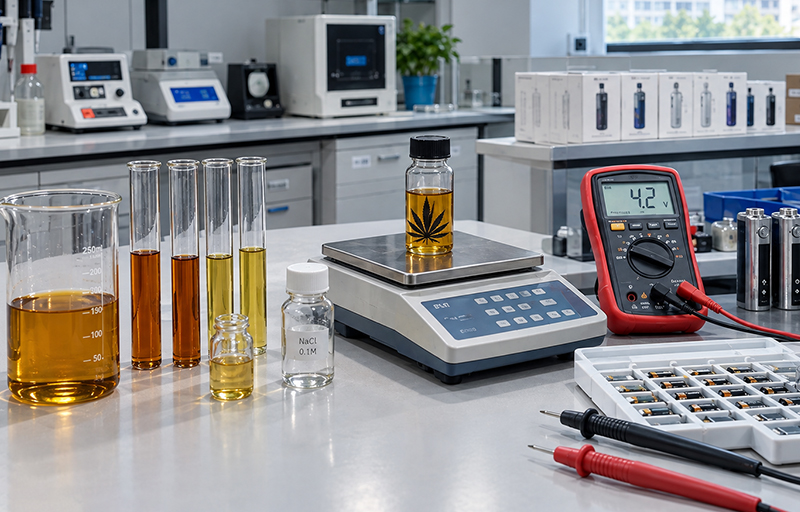
For cannabis brands, approving a ceramic cartridge should come after the hardware has been tested with the intended oil, filling process, power source, and storage conditions—not after a few satisfactory draws from a fresh sample. Ceramic heating can support stable heat distribution and oil absorption, but cartridge performance still depends on how the core, inlet structure, seals, airflow, and battery work together. Purchasing managers and product engineers therefore need a validation plan that shows whether the cartridge can feed oil consistently, avoid leakage or dry hits, maintain flavor through repeated use, and remain reproducible when the project moves from samples into production.
What Should the Cartridge Prove With the Actual Cannabis Oil?
The first stage of approval should focus on the oil-hardware relationship. A ceramic core can only perform consistently when the formulation can reach the heating zone at a suitable rate and the cartridge controls that oil without flooding or starving the heater.
Oil viscosity should be checked under more than one condition. A formulation that flows normally after filling may move differently after cooler storage, while a thinner oil can place greater demand on inlet control and sealing. The useful question is not whether the cartridge is marketed for “thick oil” or “distillate,” but whether the intended formulation keeps the ceramic structure supplied throughout realistic use.
How Should Buyers Evaluate Oil Intake and Saturation?
A fresh cartridge can hide an oil-feed problem because the ceramic is already saturated. Repeated-draw testing is more informative. Product teams should watch for delayed vapor, changes in draw behavior, unusually rapid flavor loss, or signs that the heater is consuming oil faster than it can be replenished.
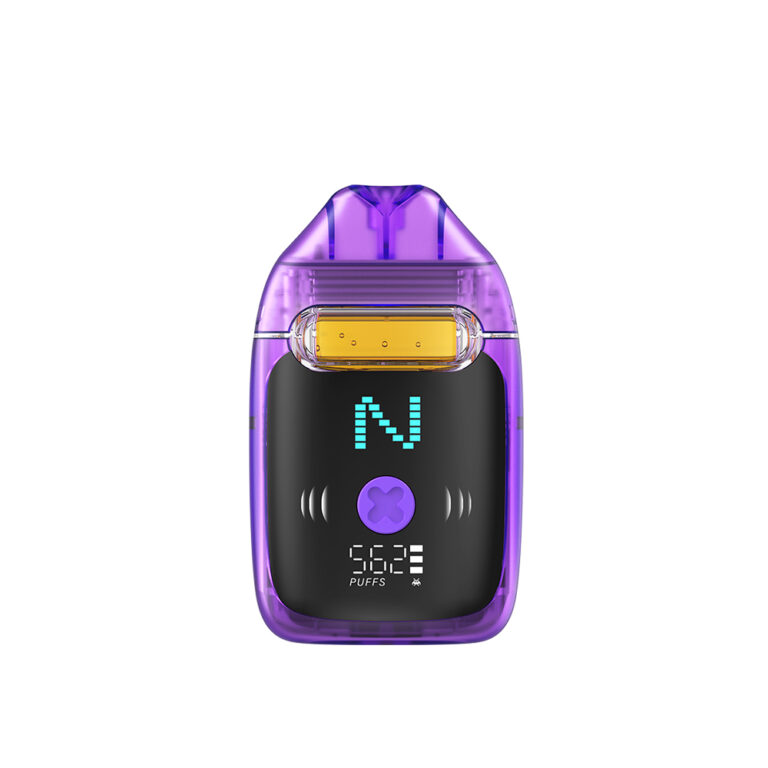
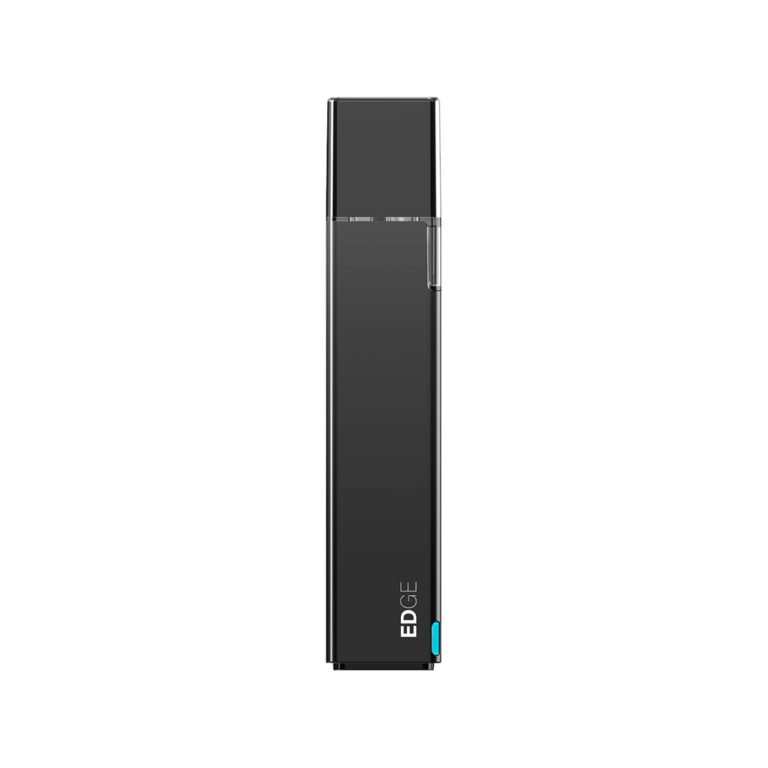
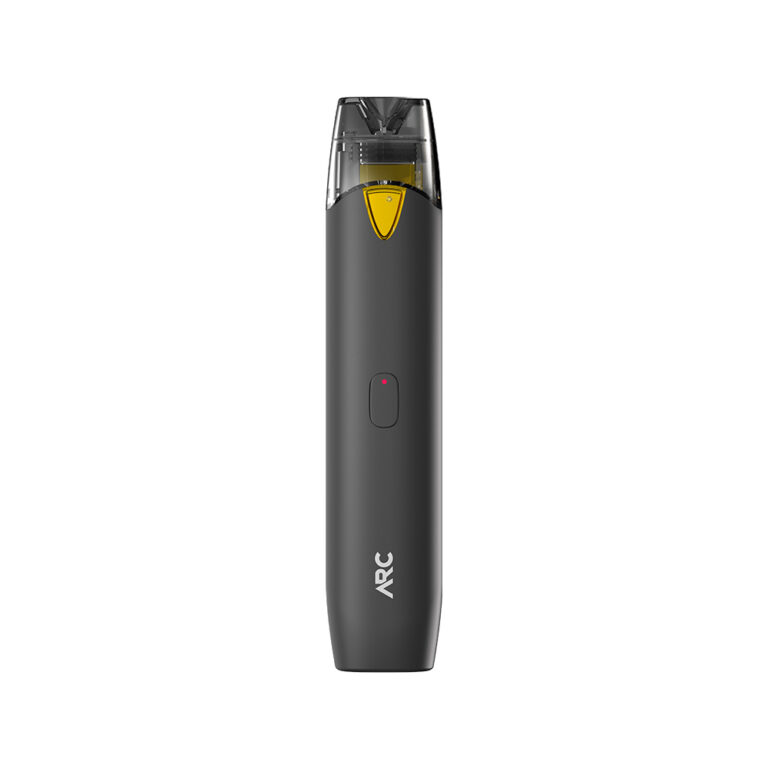
Brands can compare different cartridge hardware formats and oil-specific categories before sample testing, but category labels should not replace validation with the commercial formulation. The target oil, fill volume, storage temperature, and expected draw pattern should be documented so the supplier and buyer are testing the same conditions.
How Should Ceramic Heating Performance Be Tested?
Ceramic heating should be judged by repeatability rather than by the strongest first draw. Heat-up behavior, vapor consistency, flavor stability, and residue after repeated operation all provide useful information about how well the core matches the oil.
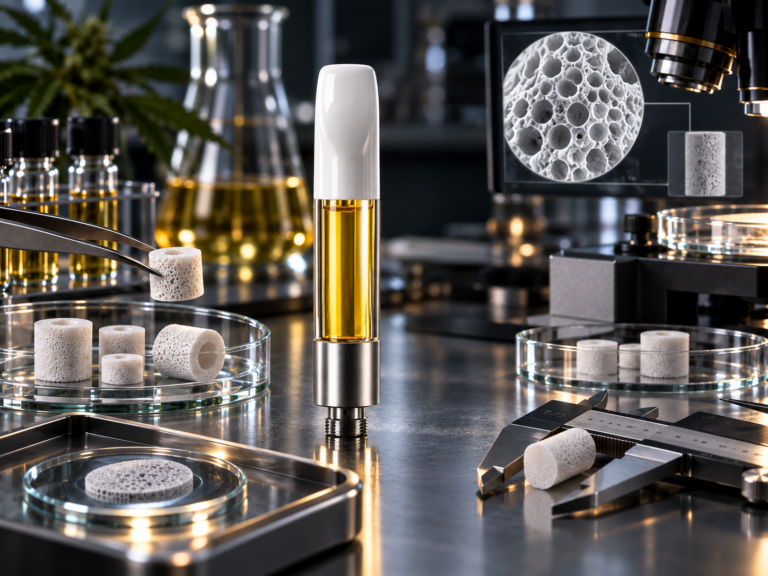
The supplier’s ceramic heating technology may describe material structure and heat distribution, but procurement approval needs evidence from the specific cartridge configuration being considered. Core geometry, pore structure, resistance tolerance, oil inlets, and airflow all influence the result, so “ceramic coil” alone is not enough to define performance. Nextvapor’s current technology materials describe ceramic heating as part of its broader atomization platform rather than as a stand-alone performance guarantee.
Compare the Cartridge Across Repeated Use, Not One Session
A useful sample plan includes several cartridges filled from the same oil batch and operated under similar conditions. Instead of selecting one preferred sample, compare whether the units behave alike. Large differences between nominally identical cartridges may point to variation in ceramic elements, assembly, resistance, or oil-feed geometry.
Power should also be controlled during testing. If the cartridge is paired with an adjustable battery, keep the setting fixed when comparing samples. Otherwise, electrical variation can be mistaken for cartridge variation.
Which Leakage and Filling Checks Belong in Sample Approval?
A cartridge that atomizes well can still fail commercially if filling and sealing are difficult to control. Sample approval should therefore include the production steps that happen before the consumer ever uses the device.
The reservoir, inlet position, headspace, closure method, and sealing surfaces all affect the filling result. Oil on a sealing surface can interfere with closure, while an unsuitable filling condition may leave trapped air or inconsistent fill levels. These issues can later appear as seepage, leakage, or variable oil delivery.
Why Should Post-Filling Observation Be Part of the Test?
Leakage does not always appear immediately. Filled samples should be allowed to stand under defined conditions before inspection. Orientation changes and temperature exposure can also reveal weaknesses that are not visible directly after capping.
The objective is not to prove that one sample stays clean. It is to understand whether the filling and sealing process is tolerant enough for production. A cartridge that only works when filled very slowly or handled with unusual care may create unnecessary manufacturing risk.
Buyers can use a supplier’s production and quality capabilities as a reference for questions about incoming inspection, in-process checks, air-tightness verification, and post-filling observation. These controls are especially relevant when a project is moving from engineering samples to repeatable filling and capping. Nextvapor’s capability materials specifically describe air-tightness testing and post-filling standing checks as part of its quality process.
What Should a Ceramic Cartridge Validation Plan Include Before Production?
By the time samples reach final approval, the test plan should connect oil behavior, heating, filling, storage, and repeated use. Treating each item as a separate test can miss interactions between them.
| Test Area | What to Observe | Purchasing Meaning |
|---|---|---|
| Oil intake | Stable feed during repeated draws | Shows whether the core can stay supplied |
| Heat-up | Similar response across units | Checks heater and resistance consistency |
| Flavor behavior | Change over repeated use | Helps identify excessive thermal stress |
| Leakage | Seepage after filling and storage | Tests seals and filling compatibility |
| Airflow | Draw changes over time | May reveal residue or flooding |
| Sample variation | Differences between units | Indicates production repeatability |
The table is most useful when acceptance criteria are defined before testing. Teams do not need an unnecessarily complicated laboratory program, but they do need a shared definition of failure. “Looks acceptable” is difficult to transfer into mass production; measurable or clearly observable pass/fail conditions are easier for engineering and quality teams to reproduce.
How Can Brands Confirm Production Consistency Before Mass Approval?
The last question is whether the approved cartridge can be reproduced. A technically strong sample has limited value if resistance, ceramic structure, seals, or assembly conditions change later without clear control.
Buyers should ask which cartridge characteristics are fixed after approval and which manufacturing changes require revalidation. Changes to heating elements, oil-contact components, inlet geometry, sealing parts, or resistance specifications can alter performance even when the exterior looks identical.
Turn the Approved Sample Into a Controlled Specification
A production specification should identify the approved cartridge configuration, intended oil, filling conditions, electrical test conditions, and the checks used to confirm performance. It should also define how revised samples are identified so purchasing and quality teams do not unknowingly compare different versions.
A concise pre-production checklist may include:
- test the actual commercial oil or a representative production formulation;
- evaluate several cartridges rather than one preferred unit;
- use controlled battery settings during comparison;
- include filling, capping, standing, and storage checks;
- document the approved configuration before mass production.
This is where sample testing becomes a purchasing tool. Instead of asking whether a ceramic cartridge “works,” the team can decide whether a defined cartridge-oil combination is stable enough to scale.
Need Technical Support for Ceramic Cartridge Validation?
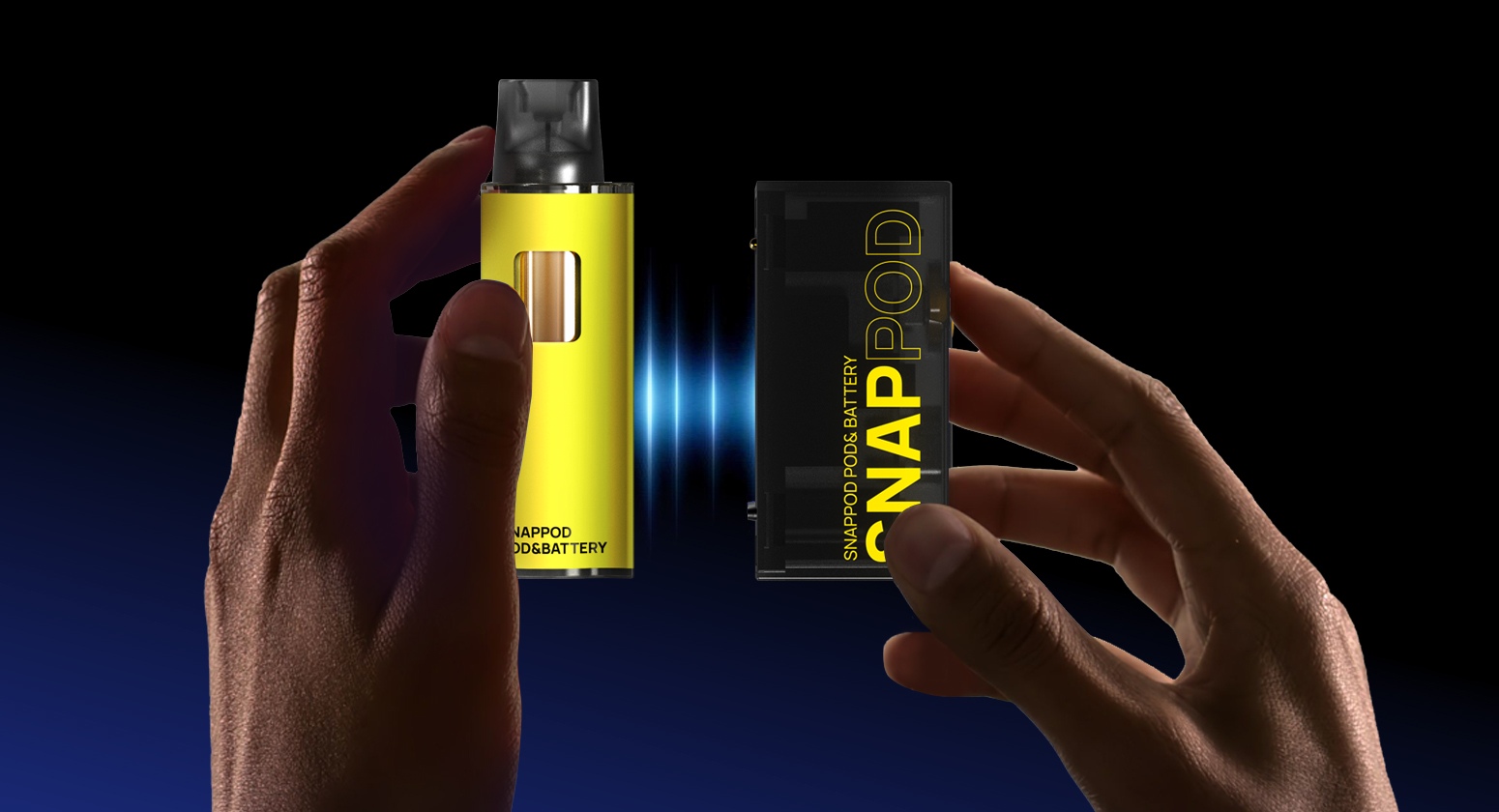
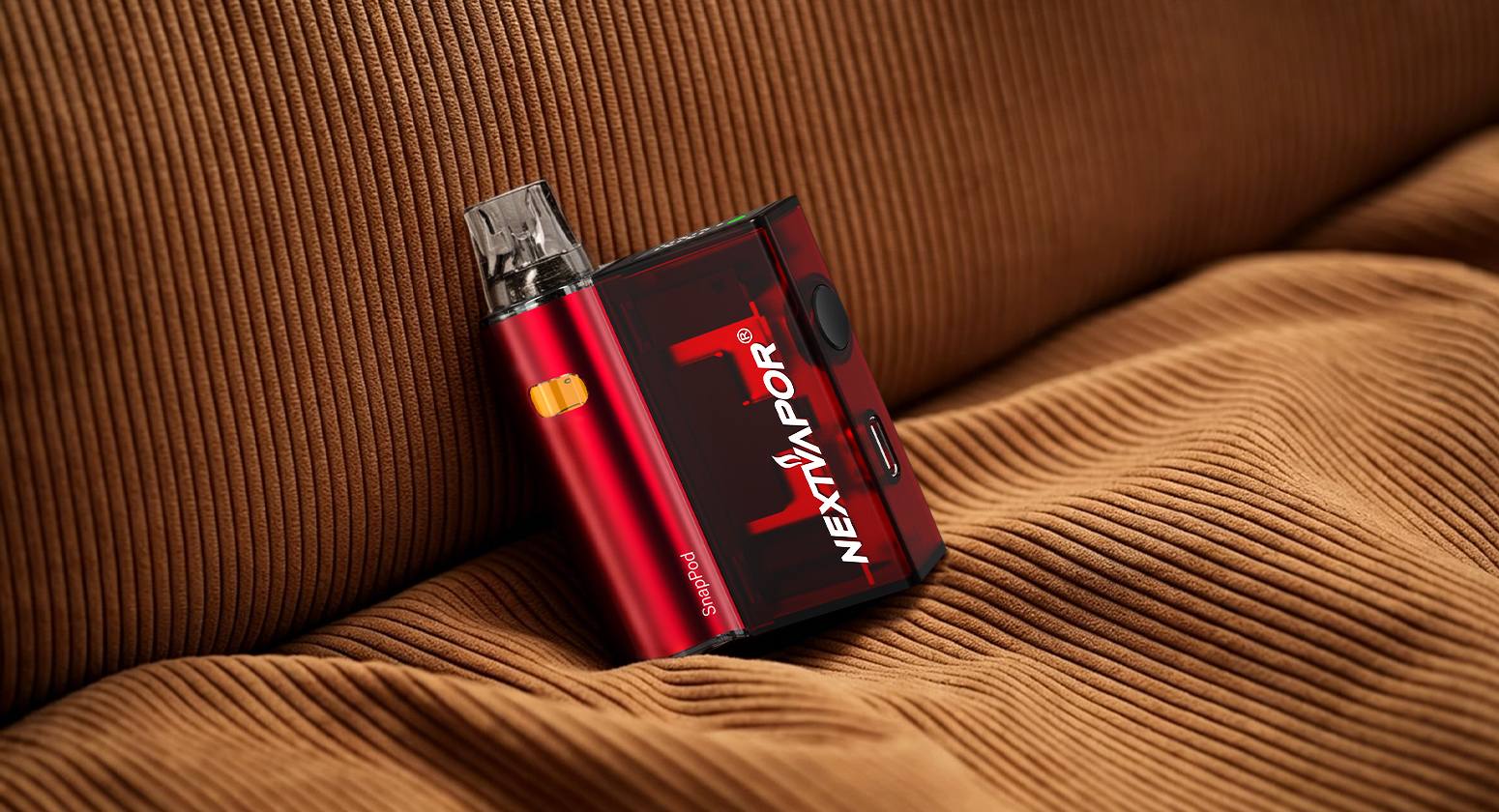
Nextvapor develops cannabis vape hardware for OEM and ODM projects involving ceramic heating, airflow, oil delivery, filling, and production coordination. Its current technology platform includes ceramic heating structures as well as cartridge, pod-system, and all-in-one formats. For projects that need a concrete reference platform, SnapPod uses a ceramic coil and is listed with 0.5mL, 1.0mL, and 2.0mL pod options, while its product page also describes filling and capping support. Those specifications provide a useful reference, but approval should still be based on the buyer’s own oil, battery configuration, filling process, storage conditions, and acceptance criteria rather than on a product specification alone. (Nextvapor)
Conclusion
Ceramic cartridge approval should establish whether the oil, heating core, airflow, seals, filling process, and electrical conditions work as one repeatable system. Buyers should test several samples, use the commercial formulation, include post-filling and storage checks, and document the configuration that actually passed. The goal is not to find a cartridge that performs well once, but to define a cartridge-oil combination that can be reproduced in production with clear quality checks and manageable risk.
FAQs
1. How many ceramic cartridge samples should a brand test before approval?
There is no universal sample count that fits every project. Buyers should test enough units to reveal meaningful variation between cartridges and repeat the comparison under the same oil, filling, battery, and storage conditions.
2. Can one ceramic cartridge work with both distillate and live resin?
It may, but compatibility should not be assumed. Different formulations can change oil feed and heating behavior, so each intended oil should be validated with the actual cartridge configuration and operating conditions.
3. What are early signs that a ceramic cartridge is not feeding oil correctly?
Delayed vapor, weak output after repeated draws, sudden flavor changes, or inconsistent performance between draws can indicate that oil delivery and heater demand are not well balanced.
4. Should leakage testing happen before or after capping?
Both the filling and post-capping stages matter. Buyers should inspect sealing surfaces during filling, then observe completed cartridges after standing, orientation changes, and relevant storage conditions to identify delayed seepage.
5. What changes should trigger cartridge revalidation?
Changes to the ceramic core, resistance specification, inlet geometry, seals, oil-contact components, battery conditions, or the commercial oil itself should be reviewed because they can change heating or liquid-delivery behavior.