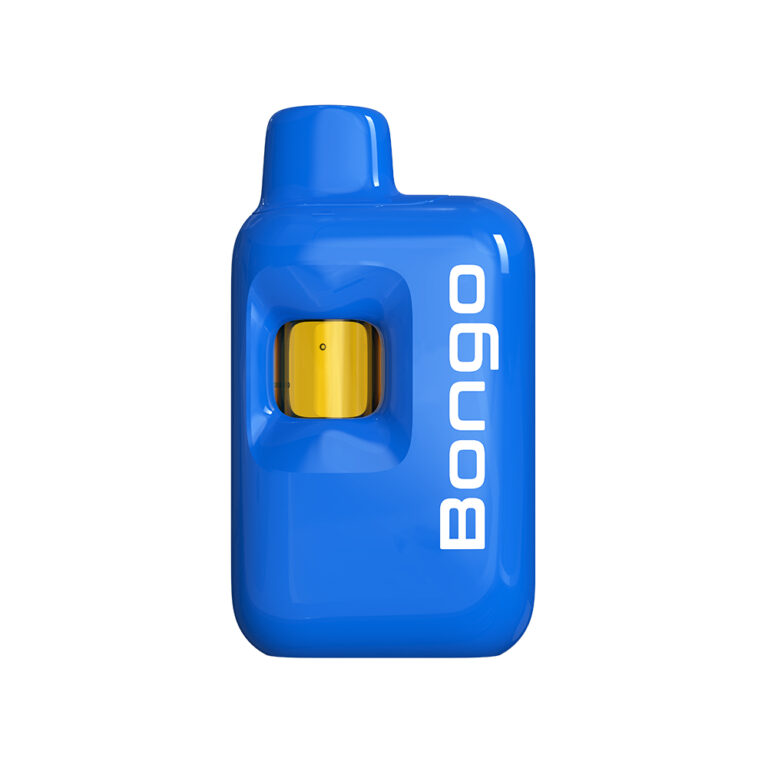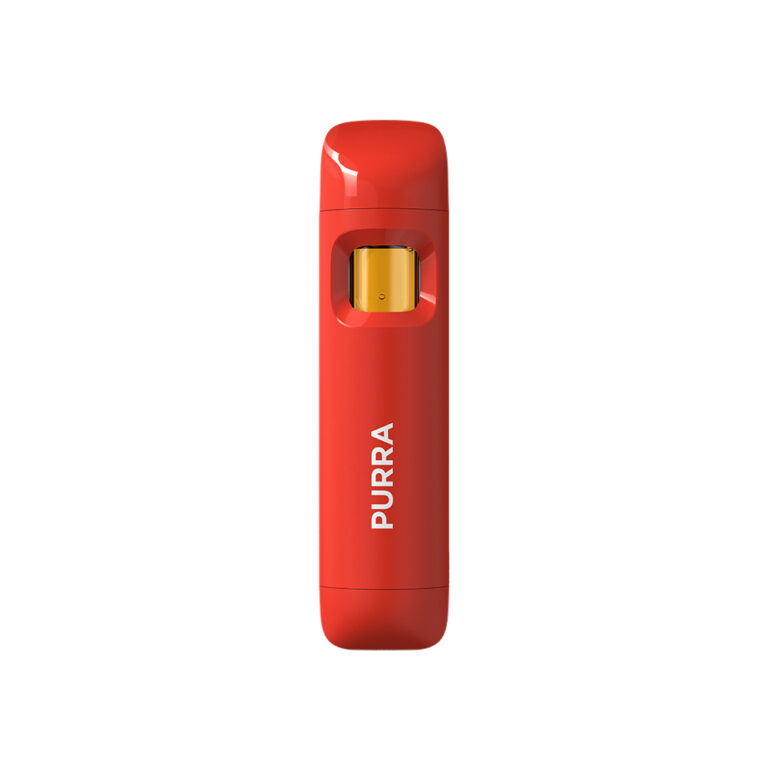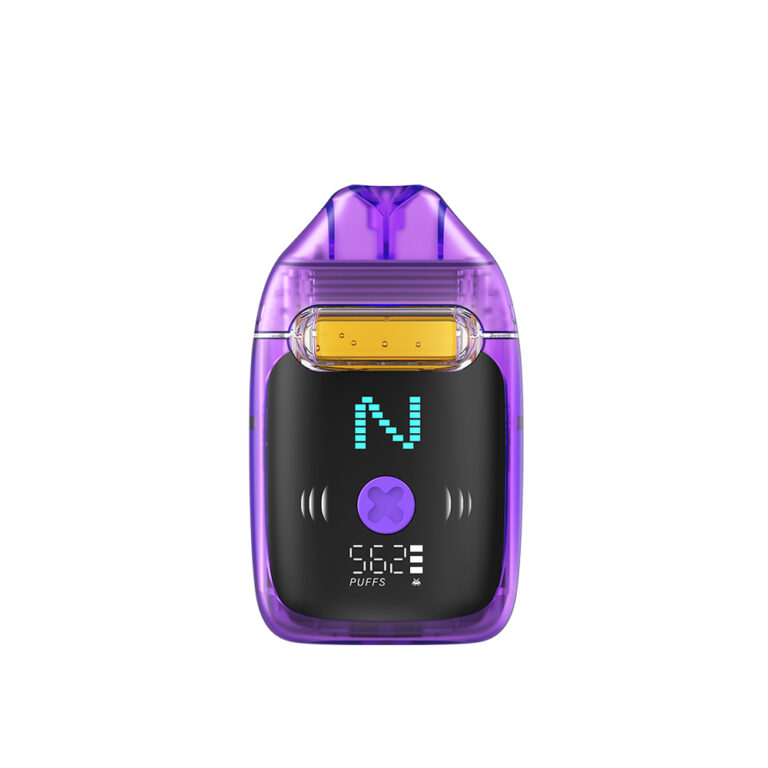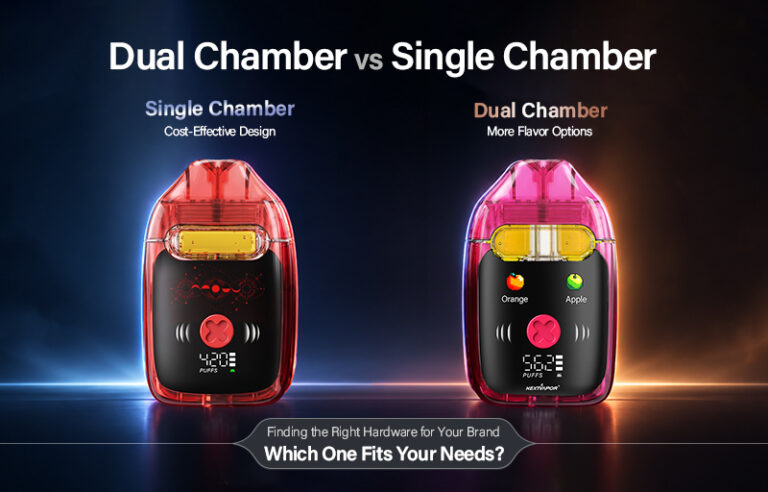


Imagine the last meeting before a hardware order is signed. The team has agreed on the oil, the draw and the shelf price. Someone then asks what the customer should do with the empty device. If the answer is still “we’ll add a recycling line to the box,” the order is not ready. For disposable cannabis vape hardware, the battery, oil container and sales location determine what that line can truthfully say. This article sets out the questions to settle before choosing an integrated all-in-one (AIO) device or a pod used with a reusable battery.
In May 2026 US cannabis vape data, disposables represented 51.1% of category dollar sales. That is a useful reason to revisit the purchase brief: as more single-use formats sell, more spent hardware follows. The sales figure itself cannot tell a brand whether its particular disposable cannabis vape can enter a local collection program.
Why the word “disposable” needs a second look
“Disposable” describes the sale format, not the waste route. In California, that distinction affects the words on a box. The state’s Department of Cannabis Control guidance says packaging and labeling for cannabis cartridges and integrated vaporizers must not suggest that customers can throw them away or place them in recycling streams. It also addresses disposal language in advertising and marketing. Before approving an icon or a disposal sentence for California, compare the actual proposed artwork with that guidance. Copy cleared for one state should go through a fresh review before it appears in another.
Washington shows why the device drawing belongs in the waste discussion. In its cannabis vape waste guidance, the state’s Department of Ecology treats an embedded battery differently from a battery already separated from the vape. The page says it currently offers no disposal option in Washington for cannabis vape waste generated by a business when the battery is embedded. That narrow statement is enough to stop a buyer from writing “send returns to our recycler” without first asking the recycler about the assembled device.
Compare the hardware after the oil is gone
Start with what leaves the customer’s hand when the oil runs out. With an integrated AIO, that could be the entire device. With a pod system, the spent pod may leave while the battery stays in use. That second outcome depends on the battery working through multiple pod changes and on customers keeping it. Neither result follows from a “green” label in a supplier quotation. The pod itself remains a waste item.
| Buying question | Integrated AIO | Pod plus reusable battery |
| What is replaced after the oil is used? | Ask whether the whole unit is retired | Usually the pod; confirm the battery remains usable |
| What must be characterized? | Battery, oil-contact parts, materials, and separation method | Pod materials, battery service life, and replacement compatibility |
| What can change the waste outcome? | Whether a qualified processor can separate components | How many pods one battery actually supports before replacement |
| What should the brand avoid claiming? | That the complete device is curbside recyclable | That a reusable battery guarantees a measured waste reduction |
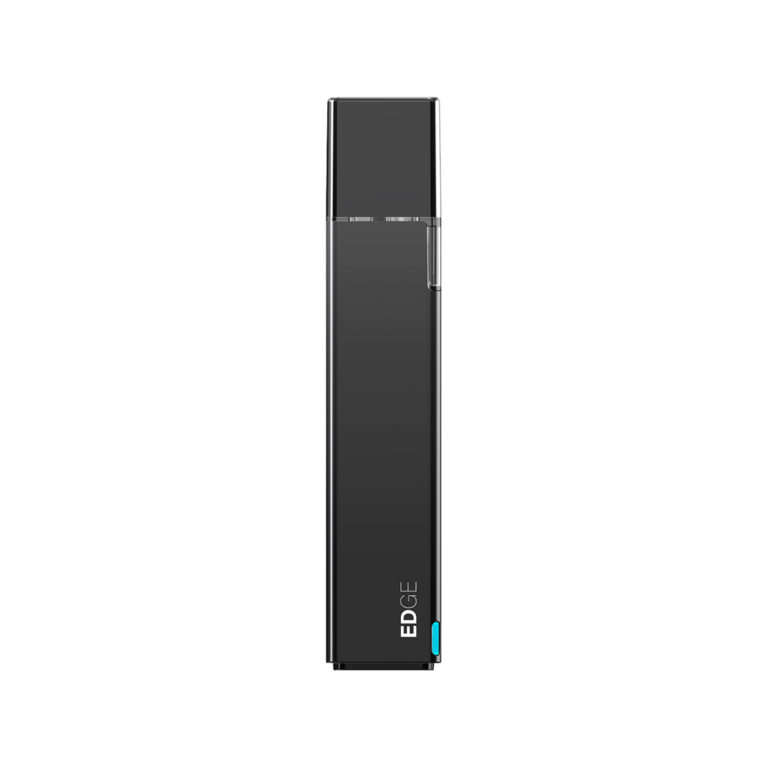
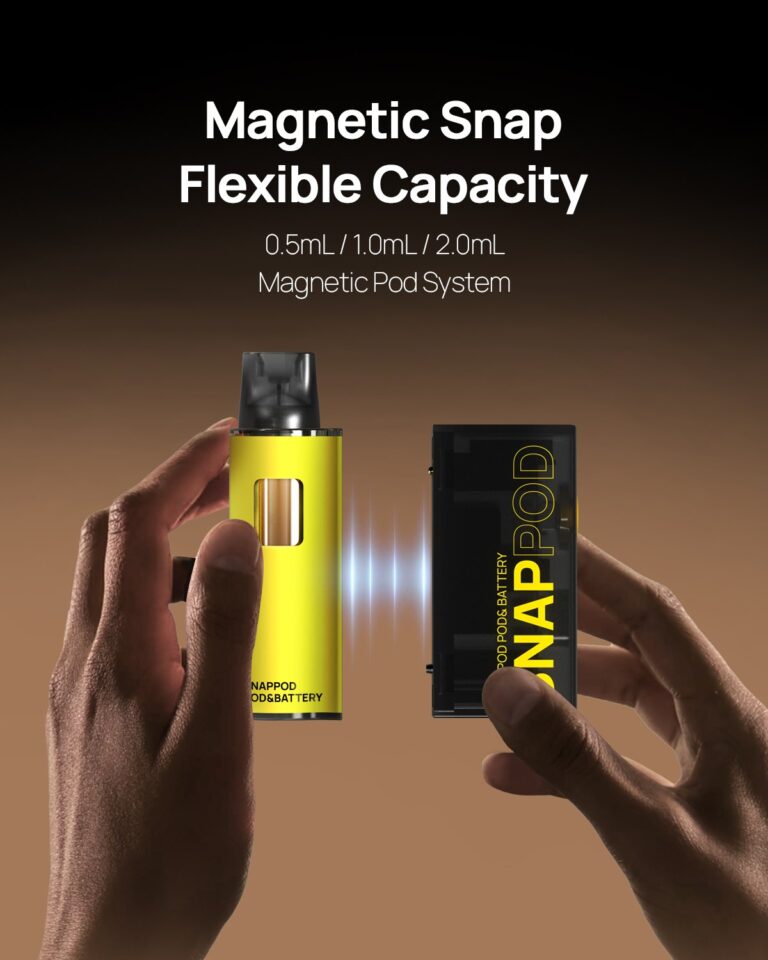
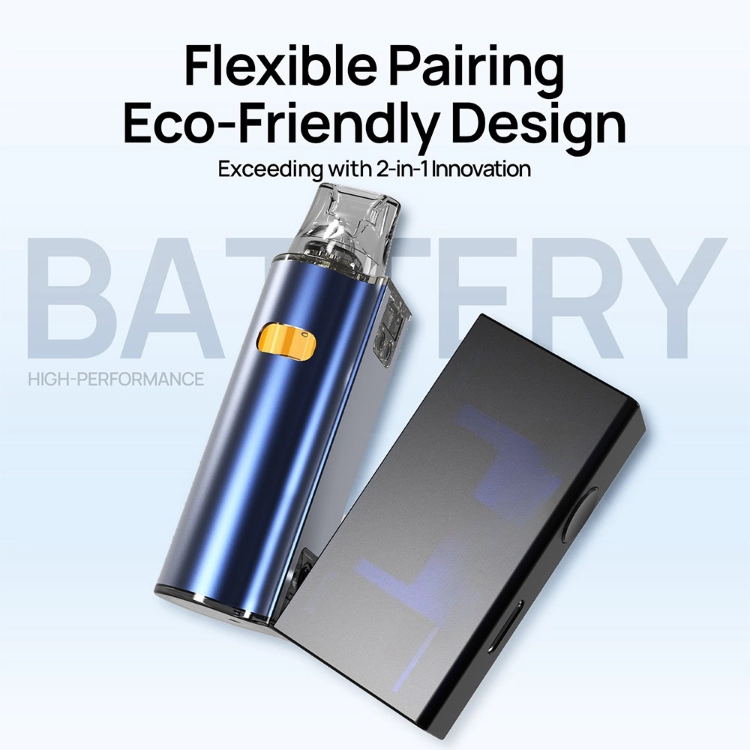
NEXTVAPOR’s SnapPod page describes a magnetic pod system with a reusable battery; EDGE is listed as an AIO. Those pages help a buying team identify the two formats. They do not answer how many pod changes a battery survives in use, or where either spent product is accepted. Put those open points on the sample evaluation sheet for the exact revision offered.
Build a simple material and use inventory
Make two inventories on the same basis, such as 10 fills used by one customer. In the AIO column, enter 10 housings, 10 batteries, the oil-contact pieces and their packs. In the pod column, enter 10 pods and perhaps one, two or more batteries. That last cell has to stay editable: a battery that fails after three pods changes the comparison. Request part weights and material descriptions from the supplier, then put the assumed battery replacement count beside them.
The result might show that the battery count, rather than housing weight, dominates the choice. Or it might show that a small pod has more oil-contact material than the team expected. Neither observation equals a carbon saving. A proper lifecycle comparison would also need manufacturing, transport, charging, failures and what people actually return; this worksheet merely shows the gaps in the purchase file.
Then take the relevant drawing or physical sample to the people who would handle it. Can a qualified processor take apart the quoted AIO, and under what conditions? Will the proposed pod still mate properly with the approved battery after repeated swaps? Will that pod revision be available for later orders? The work belongs with the supplier and processor. A consumer instruction to pry open a lithium-battery device is no substitute.

Check the route in each sales market
Put a separate row in the launch sheet for each sales market and each actor: the consumer, the retailer and the business holding unsold or returned stock. For example, the San Francisco Environment Department directs residents to special handling for cannabis vapes and separate routes for removable cartridges and batteries. Washington’s cited guidance addresses business waste. California’s cited cannabis rule concerns package and marketing language. A single nationwide disposal sentence would blur those different jobs.
The launch sheet should identify who receives a spent pod from a customer, who manages unsold stock from a retailer and who signs for business returns. Name the actual collection service beside each route. Ask that service to specify whether it accepts the battery still attached, whether it handles cannabis residue and which receipt or transfer record it can provide. If one item is excluded, revise the plan before printing the package.
Add end-of-life questions to sample approval
End-of-life questions are easier to answer when sample hardware is on the table. The approval pack should let purchasing compare quotations and let packaging check its proposed instructions against the same physical revision:
- The exact hardware revision, material list and battery specification for the quoted configuration.
- For a removable pod, show the removal step. For an integrated unit, provide the separation procedure intended for a qualified processor.
- Record performance after the agreed number of charges and pod changes. Set the pass criteria before running the test.
- Attach market-specific consumer instructions and the proposed package wording for review.
- Obtain a written acceptance statement from the planned waste partner that covers cannabis-containing parts.
Send the list with a NEXTVAPOR sample request and identify the device revision you want evaluated. A verbal assurance about a different version cannot resolve the battery or disposal questions on this one.
Which route should a brand shortlist?
If a sales market has a confirmed route for the assembled AIO, that format may fit the brief. If customers reliably keep a compatible battery through many pods, the pod route may be attractive. Neither outcome can be assumed from a catalogue photo. The disposable cannabis vape shortlisting decision should record the expected use pattern and the named waste partner; any environmental claim needs evidence beyond this first inventory.
Frequently asked questions
Does a rechargeable AIO count as a reusable battery system?
Recharging an AIO during a single fill keeps that device working longer, but it does not necessarily carry its battery into the next fill. Look at what is retained after the oil is empty.
Can a cannabis vape go in household recycling?
Household recycling is a local acceptance question. Cannabis residue and the battery may have separate handling rules. The brand should give customers the route confirmed for their location and hardware, rather than a blanket recycling instruction.
Does a removable pod make the whole system recyclable?
No. Removing a pod can help a processor handle the parts separately. It does not establish that either part is accepted by a recycling program. Check the materials and that program’s acceptance list first.