

A low cartridge quotation does not always produce the lowest purchasing cost once the order reaches the buyer’s warehouse. For B2B cannabis programs, landed cost is shaped by the cartridge specification, customization work, packaging, quality variation, freight planning, and the amount of inventory tied up during production and delivery. A useful comparison therefore starts with the finished requirement rather than the unit price alone. Purchasing and finance teams need to know which costs are fixed, which change with configuration or order size, and which risks can create extra expense after the purchase order has already been placed.
Why Is Unit Price Only One Part of Cannabis Vape Cartridge Cost?
Two cartridge quotations can look similar while representing different commercial scopes. One may cover a standard cartridge in bulk packing; another may include custom finish, branding, individual packaging, or additional inspection. Comparing the unit prices without aligning those details creates a false saving before the order begins.
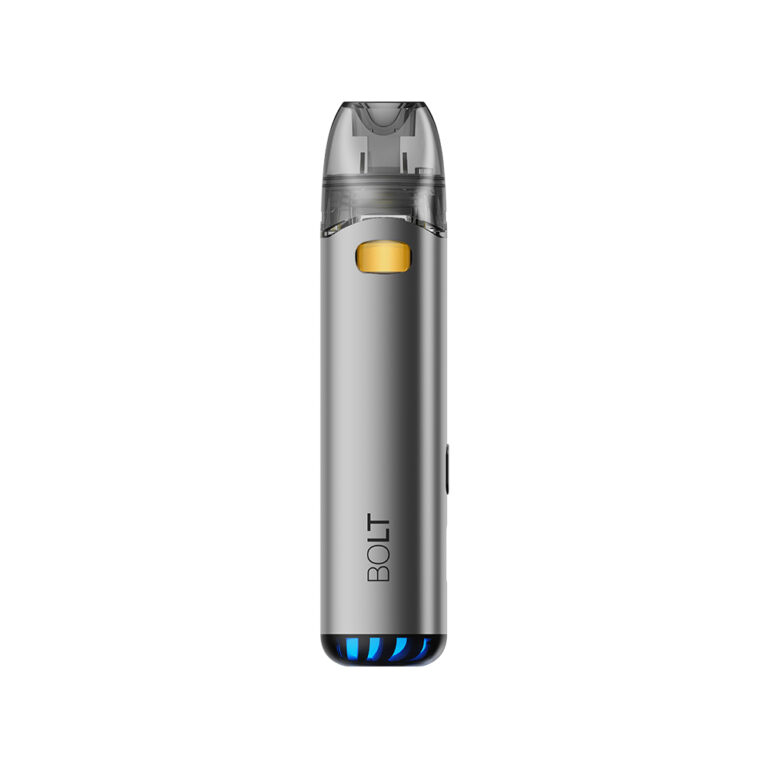
For buyers reviewing cannabis vape cartridge formats, the first step is to normalize the quotation. Capacity, heating structure, mouthpiece, oil-contact materials, finish, packaging format, and battery pairing should be written in the same RFQ or comparison sheet.
Build the Baseline From the Approved Specification
A practical baseline has three layers: hardware, project-specific work, and delivery preparation. Hardware covers the cartridge itself. Project-specific work can include branding or performance changes. Delivery preparation covers the agreed packing and shipment configuration.
Which Product Specifications Can Change the Final Landed Cost?
Cartridge specifications affect more than the factory price. They can change assembly complexity, inspection needs, packaging density, and the amount of validation required before production. A late change in capacity or heating configuration may also create new sampling and scheduling work.
| Specification Area | Cost Effect to Review | Purchasing Question |
|---|---|---|
| Capacity and dimensions | Material use, packing density | Is the selected size necessary? |
| Heating configuration | Component and validation needs | Has it been tested with the oil? |
| Materials and finish | Component and surface-process cost | Is the finish functional or visual? |
| Branding | Printing, engraving, setup | What is included in the quote? |
| Packaging | Materials, carton volume, handling | Is retail-ready packing required? |
Buyers planning customized programs can also review branding and packaging support before the RFQ is frozen. The page covers heating options, surface customization, branding, and retail-ready packaging that can change project scope.
How Do Quality Problems Increase Landed Cost After Ordering?
Quality loss is easy to miss because it may not appear in the quotation. If a batch requires sorting, replacement, extra inspection, or rework after arrival, the effective cost per usable cartridge rises even though the invoice price has not changed.
For cannabis oil programs, the cost can increase further when a hardware problem is discovered after filling. At that point, the buyer may lose oil as well as hardware, plus labor used for filling, inspection, and investigation. Leakage, inconsistent airflow, sealing variation, or electrical mismatch therefore become cost issues as well as technical issues.
Calculate Around Usable Units, Not Shipped Units
A better question is: “What does one acceptable, production-ready unit cost us?” That figure should include the level of inspection required, the risk of rejected units, and any secondary work needed before the cartridge is ready to use.
Incoming inspection, in-process control, air-tightness verification, and post-filling standing checks are examples of controls described in Nextvapor’s manufacturing and quality capabilities.
How Do Packaging, Freight, and Delivery Planning Affect the Calculation?
Once the order leaves production, packaging and logistics begin to shape the delivered cost. Cartridge dimensions, individual packaging, carton configuration, protective materials, shipment method, and destination all affect what it costs to move usable hardware to the buyer.
Compare Delivery Terms on the Same Basis
Commercial teams should record exactly where each quoted price stops. Freight, customs brokerage, duties, taxes, and destination charges vary by market and import arrangement, so they should remain visible line items rather than being hidden inside one assumed percentage.
The same applies to packaging. Bulk trays, retail packs, master cartons, and palletized shipments solve different problems. Nextvapor’s logistics and delivery page separates export documentation, customs coordination, protective packaging, palletized loading, and shipment tracking as distinct parts of delivery planning.
How Should B2B Buyers Compare Cartridge Quotes Before Placing an Order?
A useful cost comparison does not need a complicated financial model; it needs consistent inputs. Start with the approved cartridge specification, then add the costs required to receive a usable product at the destination. Uncertain items should be shown as assumptions rather than silently ignored.
A workable formula is:
Landed cost per usable unit = hardware + customization + packaging + logistics/import costs + quality-related cost + inventory/handling cost, divided by usable units received.
Watch for Costs Created by Late Decisions
Before the purchase order is released, the team should confirm the specification version, packaging requirement, quality acceptance method, shipment terms, and which changes require written approval. That makes the comparison easier to maintain as the project moves from quotation to production.
Need Support Building a Cartridge Program Around Total Project Cost?
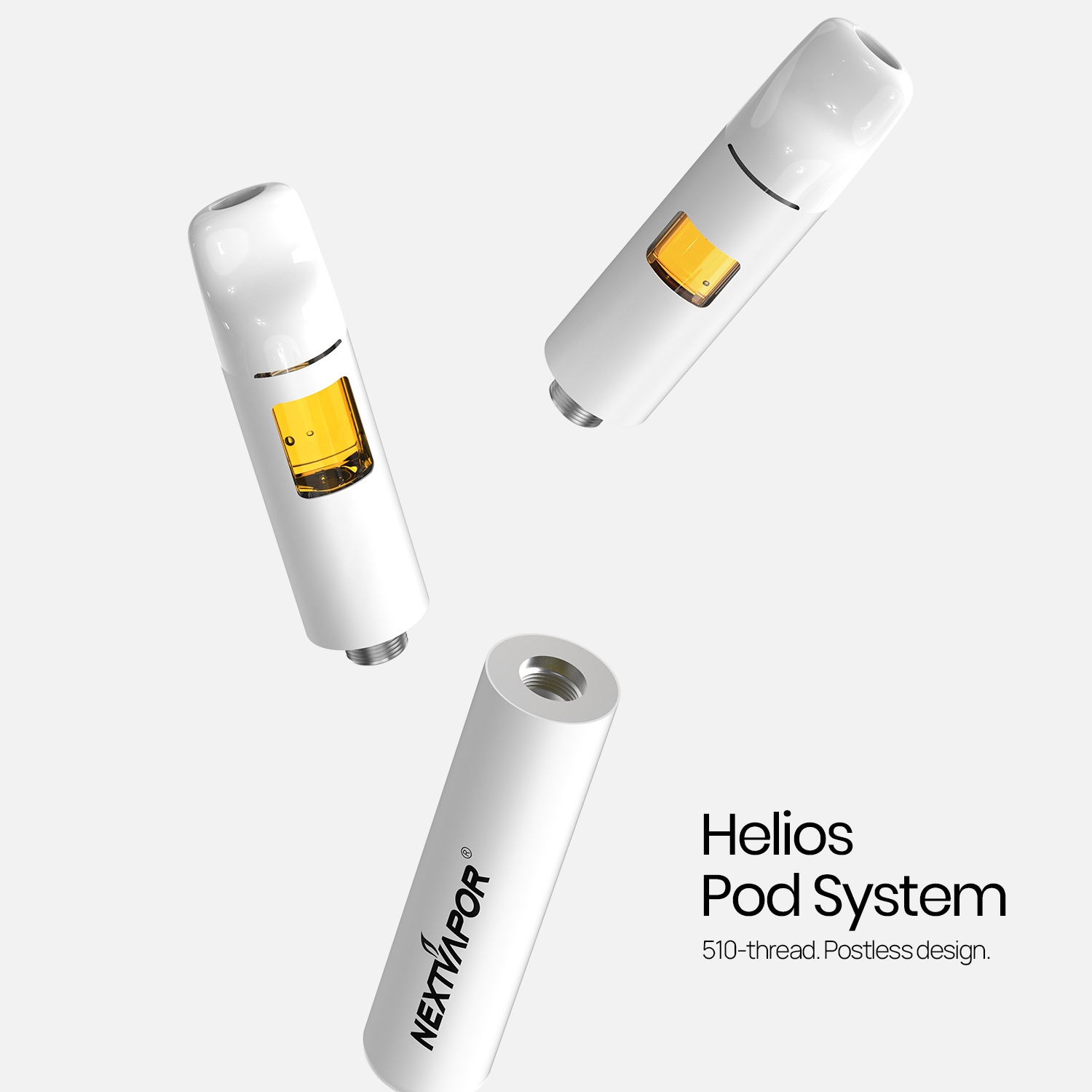
Nextvapor develops cannabis vape hardware and supports OEM/ODM projects that combine cartridge engineering, ceramic heating, filling, customization, packaging, quality control, and international delivery planning. The Helios 510 Cartridge Pod System Vape is one current reference platform, offered in 0.5mL and 1.0mL formats with ceramic heating, a rechargeable 510-compatible battery, and filling/capping support. Those specifications do not determine landed cost by themselves; they illustrate why configuration, packaging, production process, and logistics need to be defined together before buyers compare commercial offers.
Conclusion
The lowest cartridge quote is not necessarily the lowest-cost purchasing decision. A realistic landed-cost calculation needs the same specification, packaging scope, quality expectations, delivery terms, and destination assumptions for every offer. Buyers should also account for rejected units, additional inspection, late changes, and inventory held during longer supply cycles. Once those variables are visible, purchasing and finance teams can compare the cost of receiving usable cartridges rather than relying on factory unit price alone.
FAQs
1. What is included in the landed cost of a cannabis vape cartridge?
Landed cost can include cartridge price, customization, packaging, freight, import-related charges, handling, and quality-related costs. The exact components depend on destination, commercial terms, and how the buyer manages inspection and inventory.
2. Why can a cheaper cartridge quotation result in a higher total cost?
A lower unit price may exclude packaging, customization, freight, or quality controls. Extra sorting, replacement, transit damage, or rework can also raise the effective cost of each usable cartridge after delivery.
3. Should freight be compared as a percentage of cartridge value?
Not necessarily. Freight depends on shipment method, carton dimensions, weight, destination, and other logistics conditions. Buyers get a clearer comparison by using an actual shipment assumption rather than one percentage for every order.
4. How can cartridge quality affect the cost of cannabis oil programs?
Hardware rejected after filling may involve more than the cartridge value. Oil, filling labor, inspection time, and replacement handling can also be lost, so quality performance can materially change the cost per usable finished unit.
5. What should buyers confirm before comparing final supplier quotations?
Use the same cartridge specification, customization scope, packaging requirement, quality criteria, shipment terms, and destination for each quotation. Any item that remains uncertain should be recorded separately instead of assumed to be included.