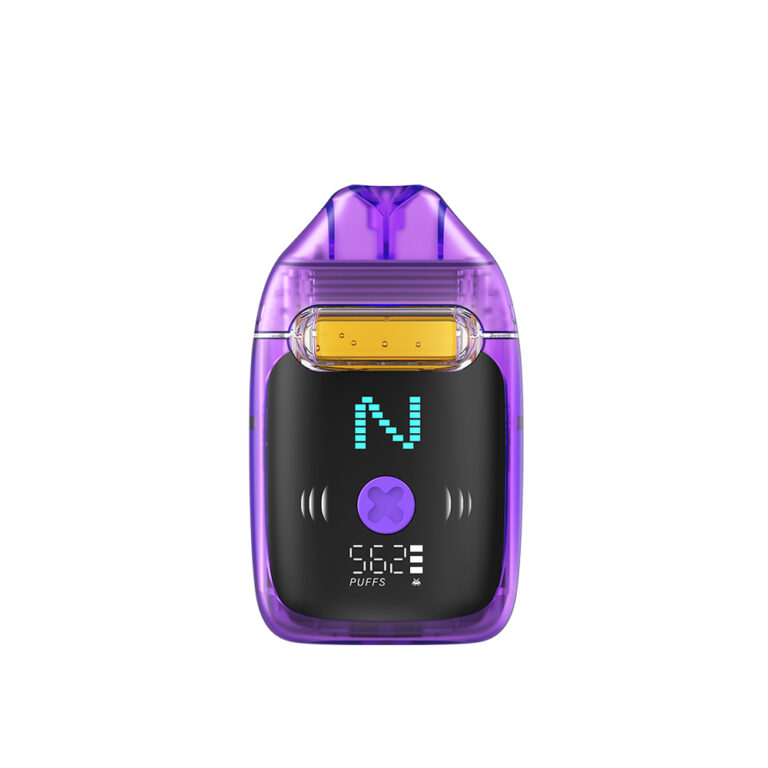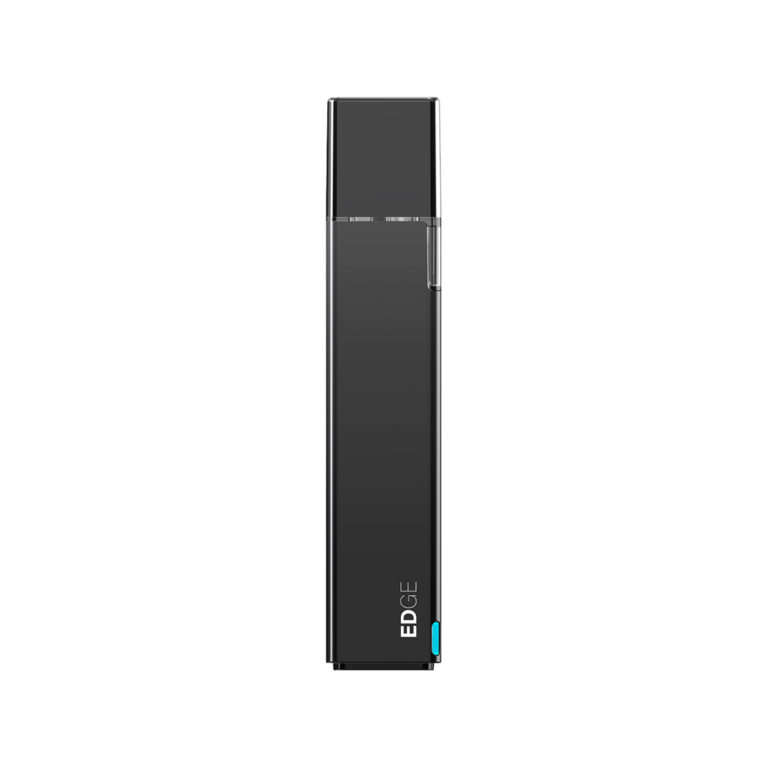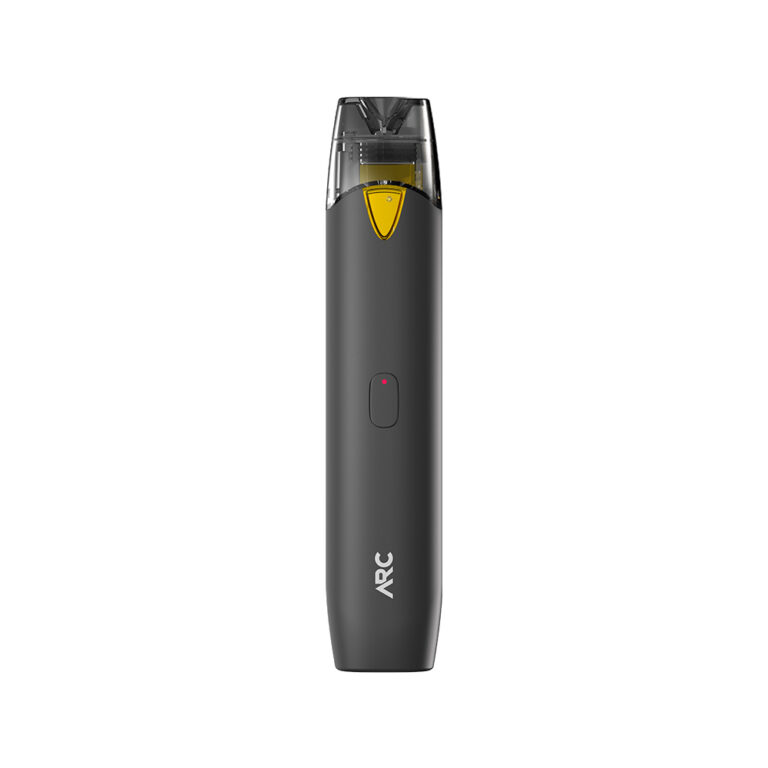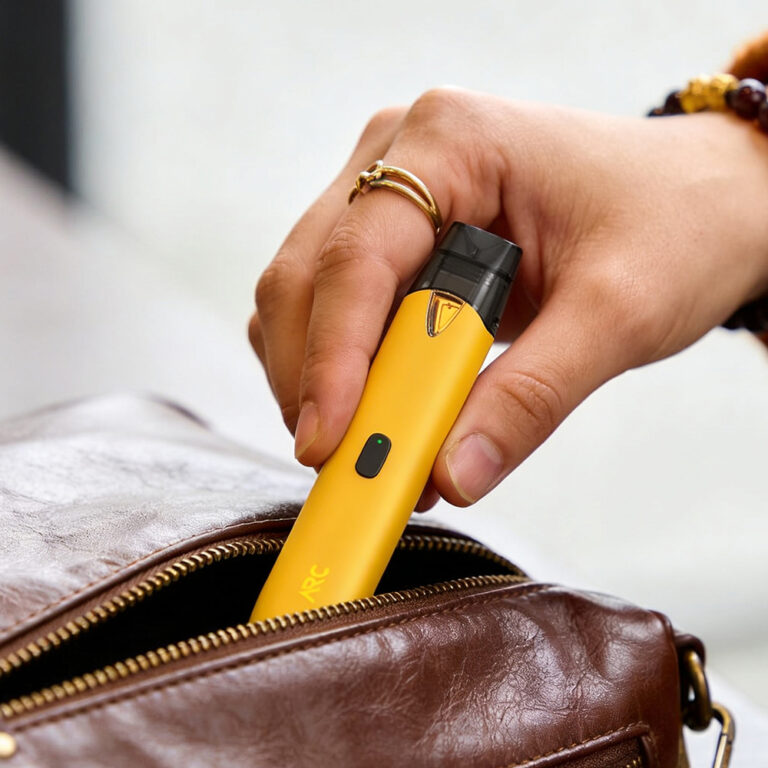



For cannabis brands, choosing between draw-activated and button-activated vape hardware is really a question of how much user control the product needs and how much operational complexity the brand is willing to manage. Draw activation removes a step from use, but it places more responsibility on sensor response and airflow stability. Button activation gives the user more deliberate control, yet introduces additional mechanical and electrical points that must remain consistent in production. Purchasing teams therefore need to compare more than convenience; the decision should account for target users, oil behavior, battery strategy, quality control, and how the device will be validated before launch.
What Changes Inside the Device When Activation Method Changes?
The visible difference is simple: one device responds to inhalation, while the other waits for a button input. Internally, however, the control logic changes enough to affect sourcing and testing priorities. A draw-activated device relies on airflow or pressure sensing, whereas a button-activated system depends on a physical switch and the electronics connected to it.
Draw Activation Makes Airflow Part of the Control System
With auto-draw hardware, airflow is doing two jobs at once. It creates the user’s draw path and also provides the signal that tells the device when to heat. This means activation sensitivity cannot be assessed separately from draw resistance.
If the threshold is too high, a consumer may need to inhale harder than expected before the device responds. If it is too sensitive, the device may react inconsistently under handling or pressure changes. For a buyer, that makes sensor response, airway design, and assembly consistency part of the same evaluation rather than three unrelated specifications.
Brands comparing buttonless vape hardware should therefore test how the device behaves after filling and storage, not just whether a dry sample activates on the bench.
Button Systems Shift the Risk to Mechanical and Electrical Control
A button removes dependence on inhalation as the trigger, but it introduces a different set of failure points. Switch travel, electrical contact, accidental activation protection, and control logic all become relevant.
This can be worthwhile when the product needs adjustable power, preheat, or another user-controlled function. If those features are not part of the product concept, the extra interaction may add complexity without adding much practical value.
The procurement decision should therefore start with the intended user journey. A device meant for quick, intuitive use has different interface requirements from one designed around deliberate setting changes.
Which Activation Method Fits Different Cannabis Product Positions?
Activation type is sometimes linked too quickly to oil type, but oil compatibility is mainly determined by atomization, liquid delivery, power, and airflow. The activation system matters more to how the product is used than to whether the oil can be vaporized.
A more useful comparison begins with market position and expected behavior.
Consumer Simplicity Often Favors Auto-Draw
For products aimed at broad retail use, fewer steps can reduce misuse. A consumer does not need to remember a click sequence, switch the device on, or confirm a setting before inhaling. That can be valuable when the brand wants the hardware to feel familiar immediately.
Button-operated devices make more sense when control itself is part of the product value. Experienced users may appreciate adjustable output or preheat, but only when those functions are clearly useful for the oil and device design.
This is where product teams should separate feature count from product fit. A device with more controls is not automatically more capable, and a buttonless device is not automatically more reliable.
When reviewing different cannabis vape hardware categories, buyers should compare activation method alongside oil capacity, heating structure, battery design, and target consumer profile rather than using activation as the first filter.
How Can Activation Method Affect Reliability and Returns?
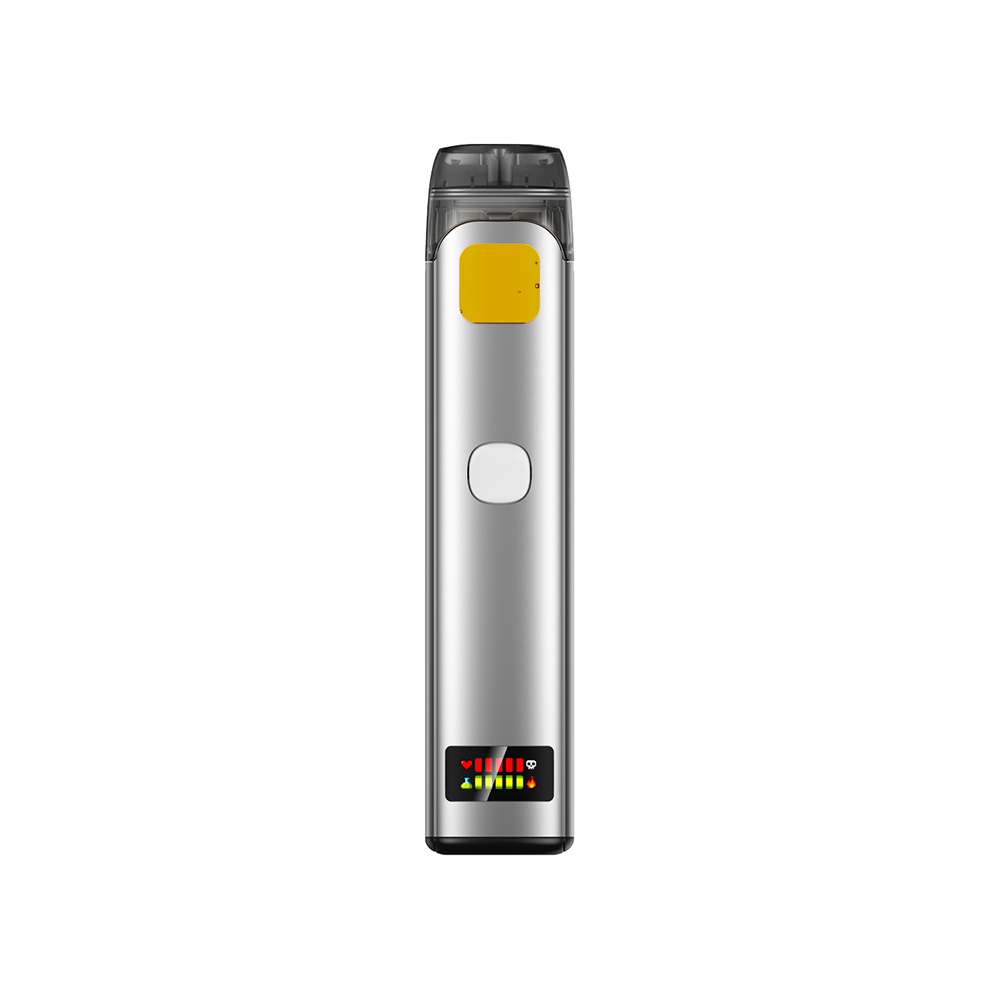
Activation faults are especially damaging because they make an otherwise functional device appear completely dead. From the consumer’s perspective, a device that does not activate is simply unusable, regardless of whether the oil, atomizer, and battery are still in good condition.
That makes activation consistency an important part of after-sales risk control.
Auto-Draw Failures Often Need Airflow and Sensor Investigation
If a draw-activated unit responds slowly or fails to trigger, several factors may be involved. The issue could come from sensor sensitivity, airflow restriction, internal condensation, oil movement, or variation in the assembled airway.
The failure should therefore be investigated as a system. Replacing the sensor alone may not solve a problem caused by residue in the airflow path, just as enlarging an airway will not correct an electrical fault.
Button Hardware Has a Different Wear Pattern
Button-operated systems remove the airflow sensor from the activation chain, but the switch and control circuit still need to remain stable through repeated use. Mechanical feel should also remain consistent enough that consumers can tell when the button has been pressed.
For sourcing teams, the important distinction is not that one design has fewer risks. The risks are simply located in different parts of the device.
A useful comparison looks like this:
| Evaluation Area | Draw-Activated | Button-Activated |
|---|---|---|
| Main trigger | Airflow or pressure change | Physical button input |
| Key control point | Sensor and airway response | Switch and electrical control |
| User steps | Fewer | More |
| Common validation focus | Trigger consistency, airflow, residue effects | Switch response, accidental activation, control logic |
| Best fit | Simplicity-focused products | Products needing intentional control |
The table should be used as a sourcing framework rather than a ranking. Neither system is automatically preferable without considering the complete hardware architecture.
What Should Brands Test Before Approving an Activation System?
A short sample demonstration tells very little about activation reliability. Devices need to be evaluated after filling, storage, repeated use, and battery discharge because those conditions are closer to what the finished product will experience.
The same test logic should also be applied across several samples rather than one “golden” unit.
A practical validation plan can include activation response after filling, behavior after storage, consistency across repeated draws or button presses, response at different battery states, and variation between devices from the same sample batch. For auto-draw hardware, product teams should pay particular attention to whether oil or condensation changes sensor behavior. For button-based devices, they should monitor switch response and whether the operating sequence remains clear after repeated use.
Buyers can also review the supplier’s quality assurance process to understand how activation-related checks fit into incoming inspection, assembly, and final verification.
How Should Purchasing Teams Compare Suppliers for Activation Hardware?
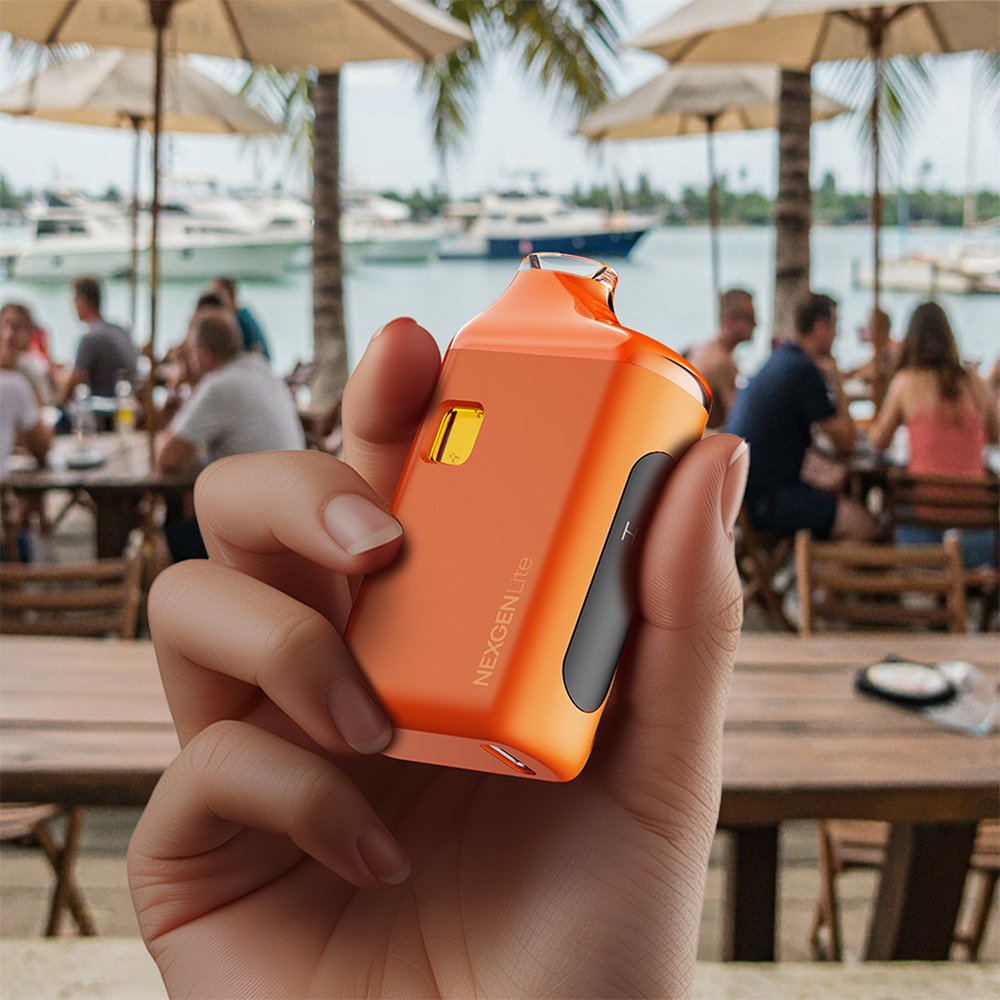
Supplier comparison becomes more useful when the discussion moves away from “Do you offer auto-draw?” and toward how the activation system is developed, tested, and controlled in production.
A technical buyer should expect the supplier to explain what variables are checked and how production variation is handled.
Ask for the Validation Logic, Not Just the Feature List
For draw-activated systems, useful questions include how activation response is checked after assembly, how airflow consistency is controlled, and what happens when a unit fails to trigger correctly. For button-operated hardware, the discussion should cover switch consistency, electrical function, and accidental activation control.
It is also worth asking how the supplier handles changes after sample approval. A different sensor batch, PCB revision, airway tolerance, or assembly condition may affect activation behavior even when the device looks unchanged.
A short sourcing checklist can keep those discussions practical:
- Define the target user before selecting activation type.
- Confirm the oil and intended operating conditions.
- Test more than one sample and include storage conditions.
- Compare activation at different battery states.
- Ask how failed units are diagnosed.
- Confirm how production changes are controlled.
The purpose of the checklist is not to make supplier evaluation longer. It is to prevent activation from being treated as a cosmetic feature when it is actually part of the device’s control architecture.
Need Technical Support for Vape Activation Projects?
Nextvapor works on cannabis vape hardware projects that involve device architecture, atomization, airflow, electrical control, and OEM/ODM production coordination. For brands comparing activation methods, the development discussion can include the intended oil, target user behavior, sensor or switch configuration, battery requirements, and the way activation will be checked during manufacturing. The company’s portfolio includes both buttonless and control-based formats, including the EDGE Lite Buttonless Cannabis Disposable Vape, so project teams can evaluate activation within the broader hardware specification rather than as a separate marketing feature. The final configuration still needs to be matched to the brand’s application, filling process, and validation requirements.
Conclusion
Draw activation and button activation solve different product-design problems, so the better option depends on the intended user, required functions, and acceptable reliability risks. Buyers should compare sensor or switch behavior, airflow, battery response, storage performance, and production consistency before approving hardware. A useful next step is to define the user journey first, then ask the supplier to demonstrate how the chosen activation system is validated under realistic conditions and controlled when production moves beyond samples.
FAQs
1. Is draw-activated vape hardware more reliable than button-activated hardware?
Not by default. Auto-draw systems depend heavily on sensor and airflow consistency, while button-operated devices rely on switch and electrical control. Reliability depends on how well the complete system is designed, assembled, and validated.
2. Should oil type decide whether a cannabis vape uses auto-draw or a button?
Oil type alone should not decide activation method. Oil compatibility is more closely related to heating, power, airflow, and liquid delivery, while activation choice is mainly influenced by user behavior and product positioning.
3. What should buyers test on draw-activated vape hardware?
Buyers should check trigger response after filling, storage behavior, airflow consistency, repeated-use performance, battery-state effects, and whether condensation or oil migration changes sensor response over time.
4. What should suppliers prove before mass production?
Suppliers should be able to explain how activation is checked during assembly and final inspection, how variation is controlled, and how failed samples are diagnosed before the approved design moves into larger production batches.
5. When does button activation make more sense for a cannabis vape?
Button activation is more appropriate when the product genuinely benefits from deliberate user control, such as adjustable settings or preheat. If those functions add little value, the extra operating step may be unnecessary.