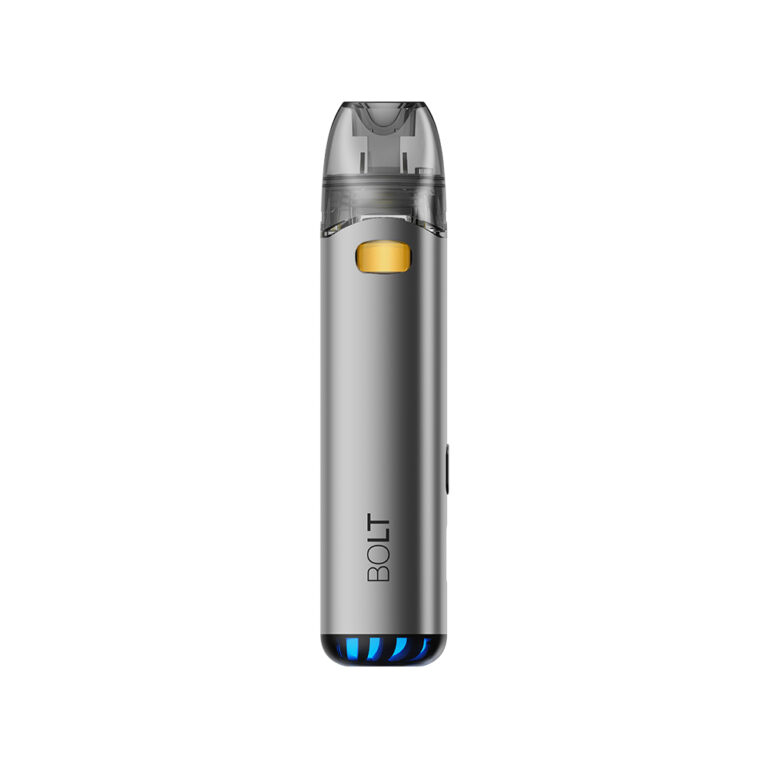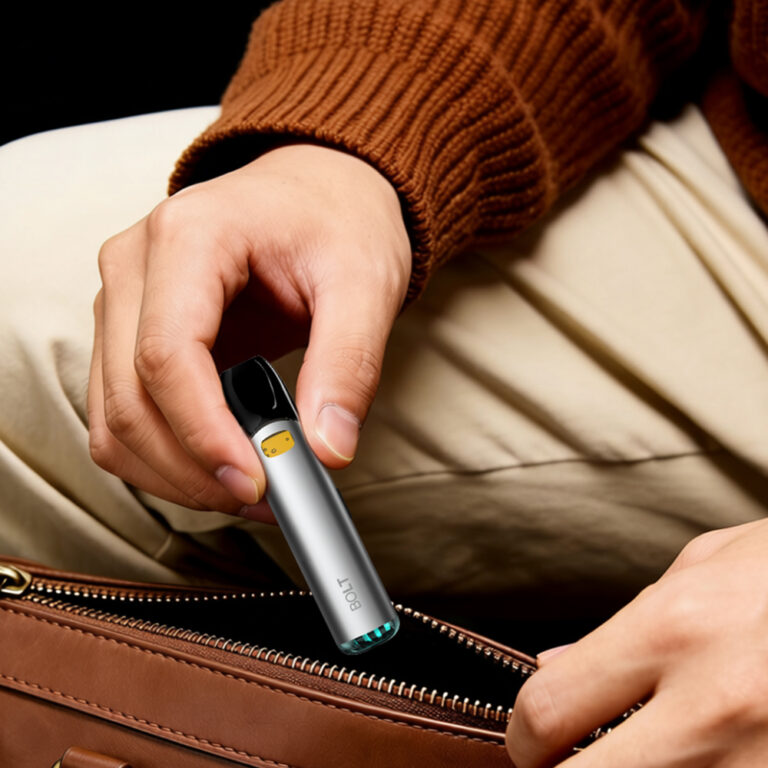




Variable-voltage vape hardware can give cannabis oil brands more control over heat delivery, but the supplier matters as much as the adjustment feature itself. A useful supplier should explain how output range, atomizer structure, airflow, battery behavior, and oil characteristics work together instead of treating voltage as a stand-alone selling point. For purchasing managers, product engineers, and R&D teams, the real task is to separate a technically usable control system from a feature that only looks flexible on a specification sheet. The comparison should focus on formulation compatibility, validation methods, production consistency, communication quality, and whether sample performance can be transferred into a repeatable production requirement.
How Should Buyers Compare Variable-Voltage Capability Between Suppliers?
The first comparison should establish what the supplier actually means by “variable voltage.” Some devices provide several preset levels, while others use stepped power control or a broader adjustable range. Those approaches are not equivalent because the effect depends on the heating element, resistance, battery design, and control logic behind the setting.
Ask What Changes When the User Changes the Setting
With similar resistance, increasing voltage raises electrical power, so heat can build more quickly. That may increase vapor output, but it can also increase oil consumption and thermal load. The useful question is not “How many levels does the device have?” but “Which part of the available range has been validated with the intended hardware and oil?”
Buyers reviewing adjustable-power vape hardware should compare the usable operating window, control method, and repeatability of each setting rather than simply counting available modes.
How Should Oil Compatibility Be Evaluated Before Selecting a Supplier?
Variable output is most valuable when it helps the same hardware operate predictably with the intended formulation. Oil category alone is not enough to make that judgment. Two products sold under the same broad category may still differ in viscosity, terpene content, and temperature response.
Test the Commercial Oil, Not a Generic Substitute
A supplier may use internal reference oils for development, but the buyer should still validate the commercial formulation or a representative production version. Thick oil can move more slowly toward the heating zone, while more fluid formulations may feed differently under the same power condition. Raising the setting does not solve a poor oil-delivery match; it can make the mismatch appear sooner because the heater consumes oil faster.
For brands working with live resin and rosin vape hardware, the discussion should include oil behavior at realistic storage and operating temperatures, not only room-temperature bench tests.
Buyers should also ask what changes require revalidation, because a resistance, atomizer, or airflow revision can shift the useful output range.
What Testing Evidence Should a Variable-Voltage Vape Supplier Provide?
Supplier comparison becomes more meaningful when both sides agree on what “works” means before sample approval. A few successful draws from a fresh device cannot show whether the setting remains usable after storage, battery discharge, or repeated operation.
| Test Area | What the Buyer Should Review | Why It Matters |
|---|---|---|
| Output consistency | Similar behavior across samples | Shows whether control is repeatable |
| Heat-up response | Activation-to-vapor behavior | Flags weak or aggressive settings |
| Oil delivery | Performance during repeated use | Exposes power and liquid-feed mismatch |
| Battery behavior | Performance as charge falls | Tests practical operating range |
| Storage check | Behavior after standing | Adds a realistic use condition |
| Sample variation | Differences within one batch | Supports production-risk assessment |
This table shifts the discussion from feature availability to purchasing criteria. What matters is a clear method, comparable samples, and an explanation of what is accepted or rejected.
Buyers can review a supplier’s technical capabilities to see whether validation connects with incoming inspection, in-process control, air-tightness checks, and post-filling observation rather than being handled only as a sales demonstration.
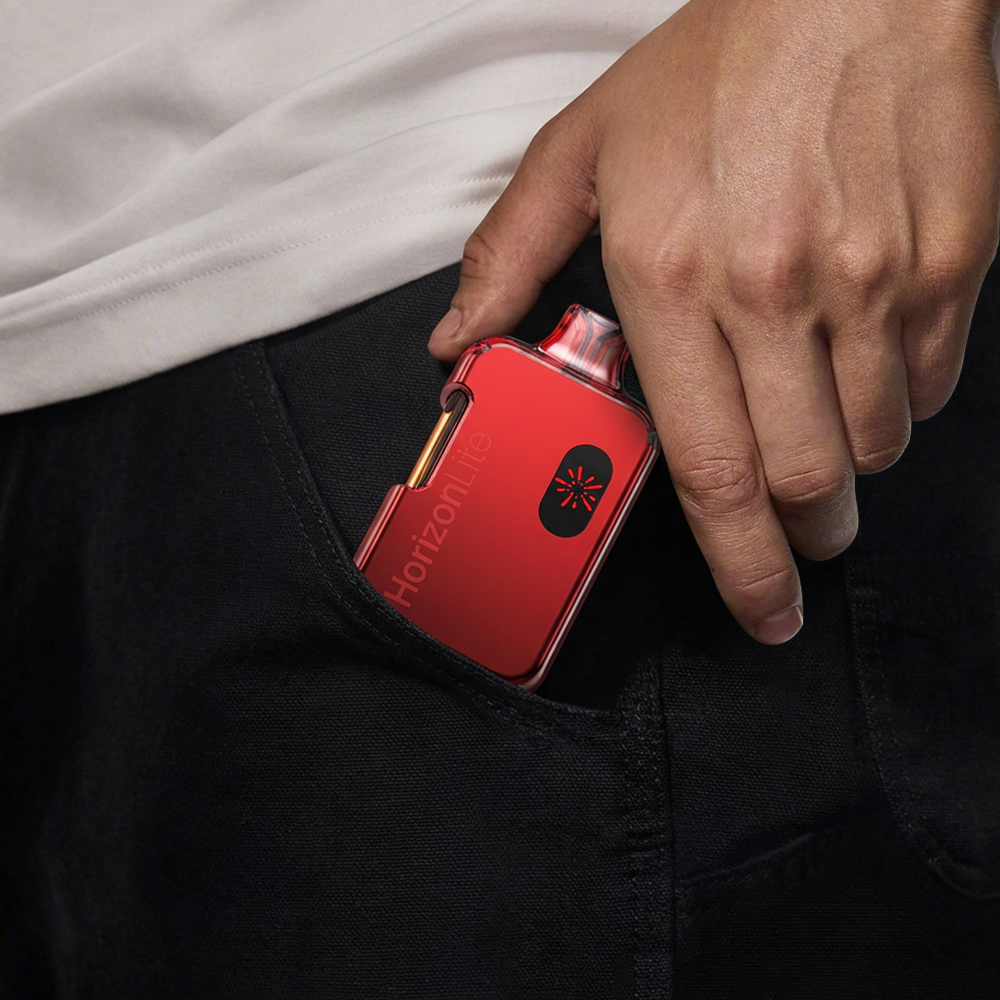
How Should Buyers Judge Manufacturing and Engineering Support?
Variable-voltage hardware adds electrical control to a system that already combines atomization, airflow, oil delivery, battery output, and mechanical assembly. Supplier capability should therefore be judged on how reliably engineering decisions are transferred into production.
Ask How Sample Approval Is Controlled After Design Changes
A sample can perform well and still become difficult to reproduce if later component changes are not tracked. Buyers should ask how the supplier manages revisions to the PCB, resistance specification, switch or sensor, heating component, battery, and airflow structure after approval.
Reviewing the supplier’s cannabis vape technology can help buyers see whether adjustable output is supported by broader work in heating control, atomization, filling, and manufacturing rather than offered as an isolated electronic function.
This part of the supplier review is especially important when several departments are involved. Purchasing may approve the commercial terms, engineering may approve sample performance, and quality teams may later need to judge whether a production change is acceptable. Clear revision records reduce the chance that these teams are evaluating slightly different hardware configurations.
What Commercial Questions Should Brands Confirm Before Choosing a Supplier?
Technical performance is only one part of the sourcing decision. The supplier also needs to fit the brand’s development timeline, customization requirements, quality expectations, and communication process. Instead of asking only for price and lead time, buyers should clarify how specification confirmation, sample revisions, production approval, and responsibility for changed test results are handled.
A concise supplier checklist can include:
- Which oil and atomizer combination was used for validation?
- What output range is intended for the project?
- Which settings are approved for normal use?
- What changes trigger re-testing?
- How are sample revisions identified and documented?
- What production checks confirm electrical and atomizer consistency?
- Who supports technical questions after production begins?
These questions give purchasing, engineering, and quality teams a common basis for comparing quotations that may otherwise look similar. They also make supplier discussions more precise: rather than comparing feature lists, buyers can compare how each manufacturer handles the same development and production risks.

Need Support Comparing Variable-Voltage Vape Suppliers?
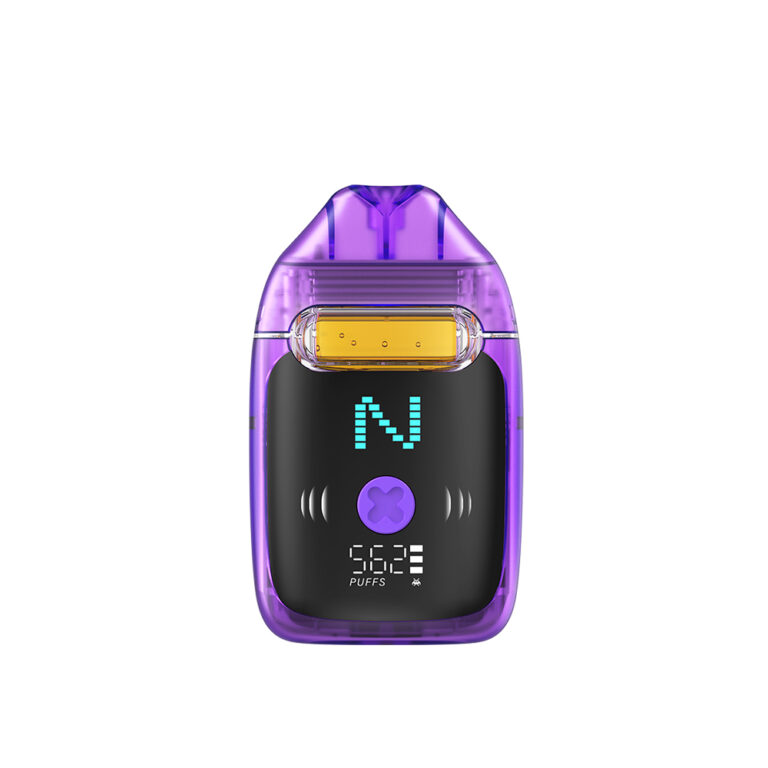
Nextvapor develops cannabis vape hardware for OEM and ODM projects involving atomization, airflow, electrical control, filling, and manufacturing coordination. For brands evaluating adjustable-output platforms, project discussions can cover the intended oil, atomizer configuration, user-control method, battery requirements, production validation, and the conditions that should remain fixed after sample approval. One relevant platform is the NEXGEN Precision-Stepped Vape, which the company lists with 2.8–7.2W adjustable power, a digital display, precision-stepped adjustment, and preheat. Those specifications provide a concrete reference point, while the final operating range still needs to be confirmed against the buyer’s own formulation and project requirements.
Conclusion
Choosing a variable-voltage vape supplier requires more than comparing the number of settings on a device. Cannabis oil brands should examine oil compatibility, atomizer behavior, validation methods, revision control, production consistency, and the supplier’s ability to support technical communication after sample approval. A sensible next step is to define the commercial formulation and intended operating range first, then ask each supplier to show how that range is tested, documented, and protected when the project moves into production.
FAQs
1. What is the most important question to ask a variable-voltage vape supplier?
Ask which part of the available output range has been validated with the intended atomizer and oil. This shows whether the supplier understands the complete system or is simply presenting voltage adjustment as a feature.
2. Should cannabis brands choose the supplier with the widest voltage range?
Not necessarily. A wider range only adds value if the settings remain useful and repeatable with the target formulation. A narrower, well-validated range can be easier to control in production and simpler for consumers to use.
3. Why should buyers test their own cannabis oil before approving hardware?
Oil viscosity, terpene content, and temperature response can change atomizer behavior. Testing the commercial formulation helps confirm whether liquid delivery and heating remain balanced across the intended settings rather than relying on a supplier’s generic reference oil.
4. What production controls matter for variable-voltage vape hardware?
Buyers should confirm control of electrical components, heating resistance, battery configuration, airflow, and revision changes. They should also understand how sample performance is carried into production inspection and how deviations are investigated.
5. When should a supplier revalidate the hardware?
Revalidation is appropriate when a change could affect power delivery, heating, oil flow, airflow, or user control. Examples include a PCB revision, atomizer change, resistance adjustment, battery change, or a substantially different oil formulation.