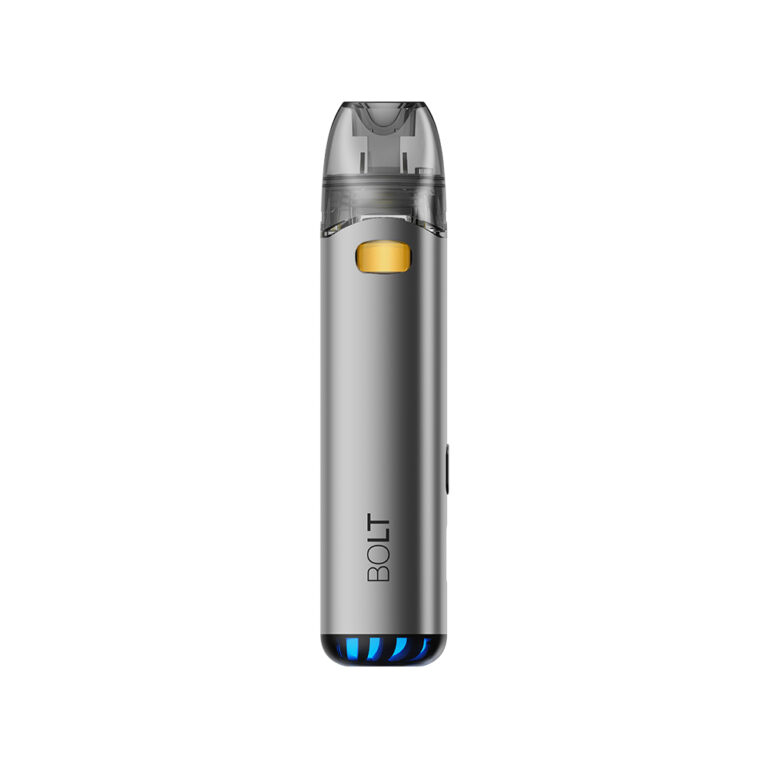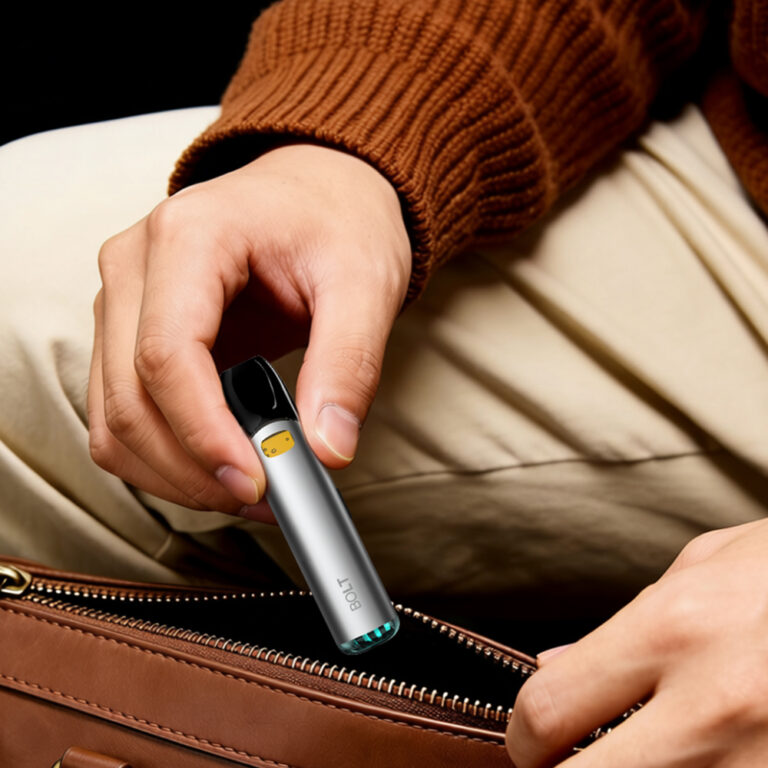




Clogging in cannabis vape hardware is rarely caused by one isolated component. A restricted draw may come from oil migration around the atomizer, condensed aerosol inside the vapor path, or a mismatch between the extract and the heating system. For CBD and cannabis brands, the useful question is not whether a device is simply described as “anti-clog,” but where the blockage forms, what operating conditions trigger it, and which design variables are involved. Looking at clogging this way gives product teams a clearer basis for hardware selection, testing, and supplier discussions before mass production.
Why Does Cannabis Vape Hardware Clog?
The term “clogging” describes the symptom rather than the root cause. Two devices may both become difficult to draw while failing for entirely different reasons. One may have liquid entering an area intended for airflow, while another may accumulate condensed aerosol farther up the vapor path.
Oil Migration and Condensation Are Different Problems
Oil migration usually points to liquid management. Inlet dimensions, sealing, oil viscosity, storage orientation, pressure changes, and atomizer saturation can all influence whether excess liquid reaches the airflow path. Once oil enters that area, draw resistance may increase gradually rather than failing immediately.
Condensation develops after vaporization. Heated aerosol travels away from the atomizer and comes into contact with cooler internal surfaces, where some of it may return to liquid form. Repeated heating and cooling can leave residue along the airway or near the mouthpiece until the passage becomes restrictive. Because the two mechanisms are different, changing oil flow may help one problem while doing very little for the other.
Why Blockage Location Matters
A failed unit should be opened and inspected before the hardware is modified. Residue around the atomizer suggests a different failure path from residue near the mouthpiece, while oil reaching a sensor or lower airflow area points to another set of variables.
That location data gives engineers a starting point for root-cause analysis. Without it, a design team may change several dimensions at once and improve the next sample without knowing which modification actually affected clogging.
How Does Cannabis Oil Formulation Affect Clogging Risk?
The device and the extract should be treated as one operating system. Distillate, live resin, live rosin, liquid diamonds, and CBD formulations can differ in viscosity, terpene content, thermal behavior, and response to temperature changes. These differences affect how oil reaches the atomizer and how vapor behaves after heating.
For that reason, cannabis vape hardware should be evaluated with the intended formulation rather than treated as universally compatible.
Viscosity Changes Liquid Delivery
Viscosity affects how quickly oil moves through an inlet and reaches the heating area. Temperature adds another variable because the same formulation may flow differently during filling, storage, transportation, and actual use. If oil moves too slowly, the heating region may become under-supplied during repeated operation; if liquid supply becomes too aggressive, excessive saturation can develop around the atomizer.
Describing an oil only as “thick” or “thin” therefore does not give enough information for hardware selection. Product teams need to consider inlet geometry, heating structure, power conditions, and expected environmental conditions together. Different vape hardware configurations can be screened during development, but the final decision should still be based on application-specific testing.
Why Different Extracts Need Separate Validation
Live rosin and distillate should not automatically be treated as interchangeable simply because they may appear similar during filling. Composition and terpene profile can change the way a formulation responds to repeated heating, which in turn affects liquid delivery, atomizer saturation, and residue formation.
Substitute oils can be useful for initial screening, but they should not be the only basis for approving a device intended for a specific extract. For a commercial CBD or cannabis product, the most useful validation object is the final oil-hardware combination.
How Do Atomizer and Airflow Design Affect Clogging?
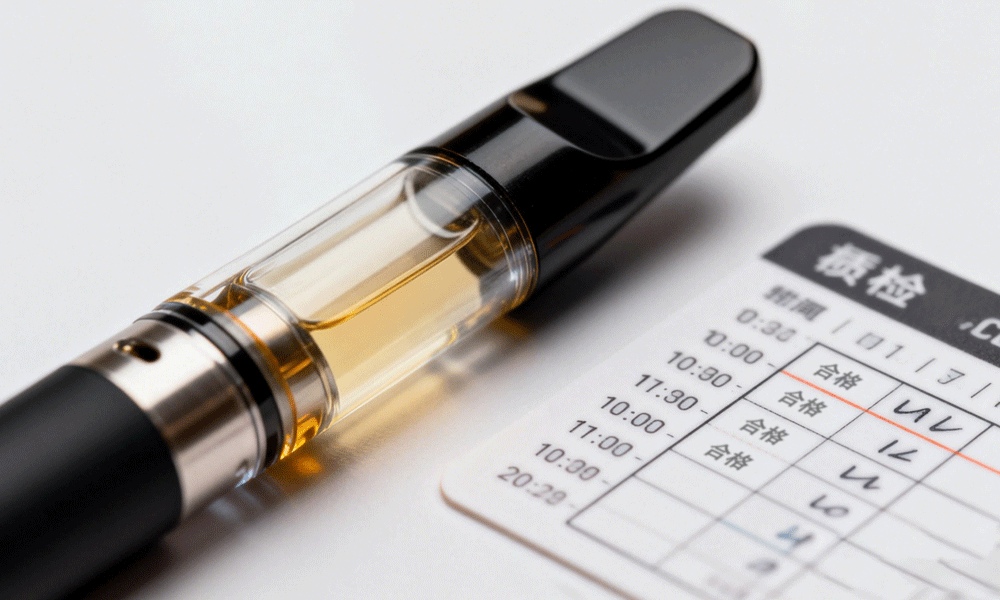
Once oil-related variables have been reviewed, the next step is to examine the device architecture. The atomizer controls how liquid reaches and interacts with the heating surface, while the airflow path determines how aerosol exits the device. Problems can develop when these two systems are individually functional but poorly balanced as a complete unit.
Ceramic Heating Is Only One Part of the Atomization System
The term “ceramic heating” does not explain how an atomizer will behave with a particular cannabis oil. Resistance, voltage, heating surface area, pore structure, oil-inlet geometry, and the liquid-delivery path all influence the operating result.
Resistance is especially easy to oversimplify. A lower or higher value is not automatically better for live resin, live rosin, or distillate because it must be considered together with voltage and thermal response. Brands comparing different heating and vaporization technologies should therefore ask how the full atomization system was matched to the intended oil rather than focusing on one specification.
Airflow Geometry Can Create Residue Collection Points
The vapor path may contain narrow sections, turns, diameter changes, and surfaces operating at different temperatures. These features influence pressure drop, draw resistance, and condensation behavior. A device can perform normally when new but become increasingly restrictive as residue accumulates in one local area.
Internal architecture also matters. Center-post and postless structures create different vapor routes and different relationships between the oil chamber, heating region, and airway. The useful engineering comparison is not whether one architecture is newer, but how it changes vapor travel, condensate accumulation, oil isolation, and tolerance sensitivity.
How Should Cannabis Vape Clogging Be Tested Before Mass Production?
A few successful draws from fresh samples are not enough to demonstrate clogging reliability. Some problems only appear after storage, temperature variation, repeated heating and cooling, or changes in device orientation. Validation should therefore reflect the conditions a filled product may experience after it leaves the factory.
Build the Test Around the Actual Use Case
A useful test plan may consider oil formulation, fill volume, storage temperature, device orientation, aging time, draw sequence, airflow change, and residue location. The exact matrix should come from the intended application rather than being copied from another project.
A device developed around live rosin, for example, may need different validation conditions from one intended for distillate. Where preheat-compatible hardware is being evaluated, the test should also consider how preheating changes oil movement before atomization begins, because a change in temperature can alter viscosity and liquid supply.
Failed samples should be opened and compared with normally performing units. That comparison can reveal whether the restriction is linked to oil migration, condensation, excessive saturation, or another failure path.
Why Root-Cause Analysis Should Come Before Redesign
Changing several components at once may make the next prototype perform better, but it weakens the engineering conclusion because no one knows which change solved the problem.
A more controlled process is to reproduce the failure, locate the blockage, isolate the likely variables, modify the relevant parameter, and then validate again. This approach gives both the brand and the supplier a clearer basis for approving a design change before scaling production.
What Should CBD and Cannabis Brands Ask a Hardware Supplier About Clogging?
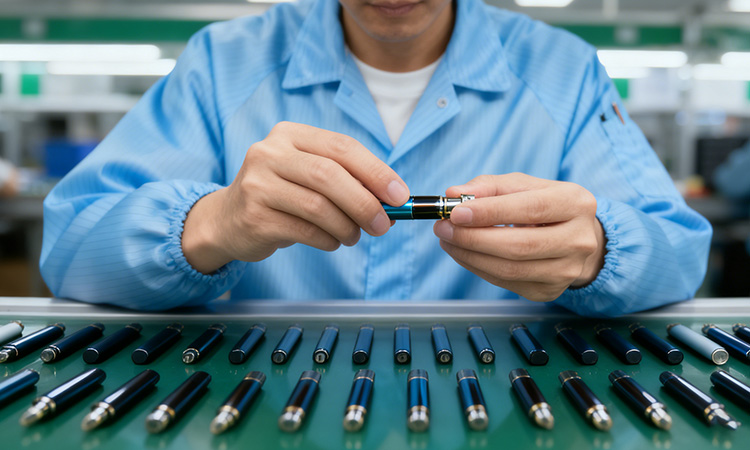
For procurement and product teams, a supplier’s ability to explain why a device clogged is more useful than a broad “anti-clog” claim. Technical discussions should show whether the manufacturer can connect an observed failure to oil behavior, atomizer design, airflow structure, and manufacturing conditions.
Buyers can ask which formulations were evaluated, whether storage and aging were included, how airflow changes were identified, and what was found when failed devices were opened. If different hardware is recommended for different extracts, the explanation should refer to measurable factors such as liquid delivery, heating conditions, atomizer configuration, or internal architecture.
Production Changes Can Reintroduce a Solved Problem
Sample approval is not the end of clogging control. Small changes in sealing, atomizer parameters, internal dimensions, or assembly conditions may alter the behavior of the finished device even if its external appearance remains identical.
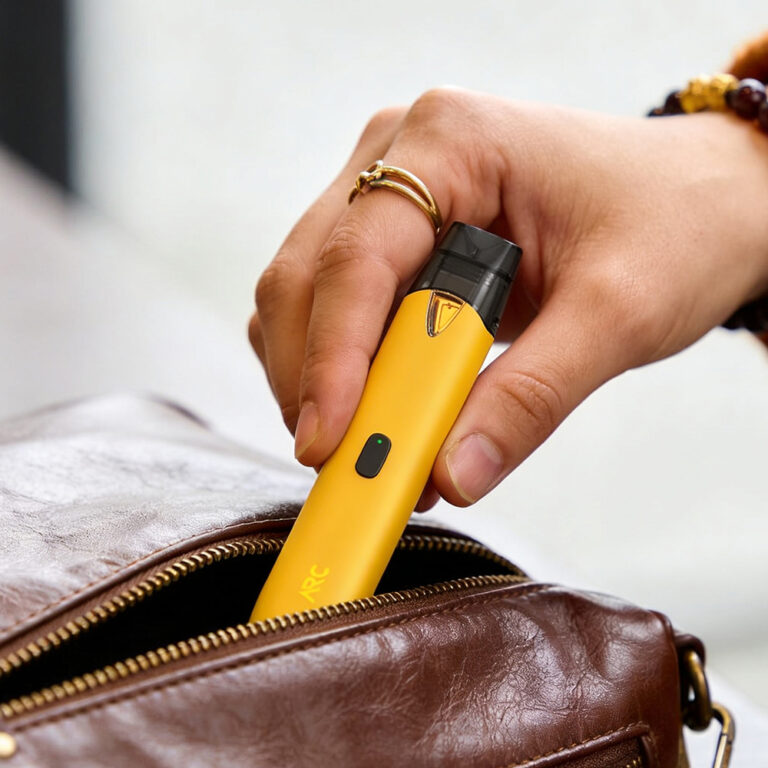
Brands comparing cartridge, pod, and all-in-one hardware formats should therefore ask how production changes are reviewed after approval and whether relevant performance checks are repeated when key components or processes change. That question is particularly important for OEM and ODM projects moving from prototypes into larger production volumes.
How Does Nextvapor Support Cannabis Vape Hardware Development?
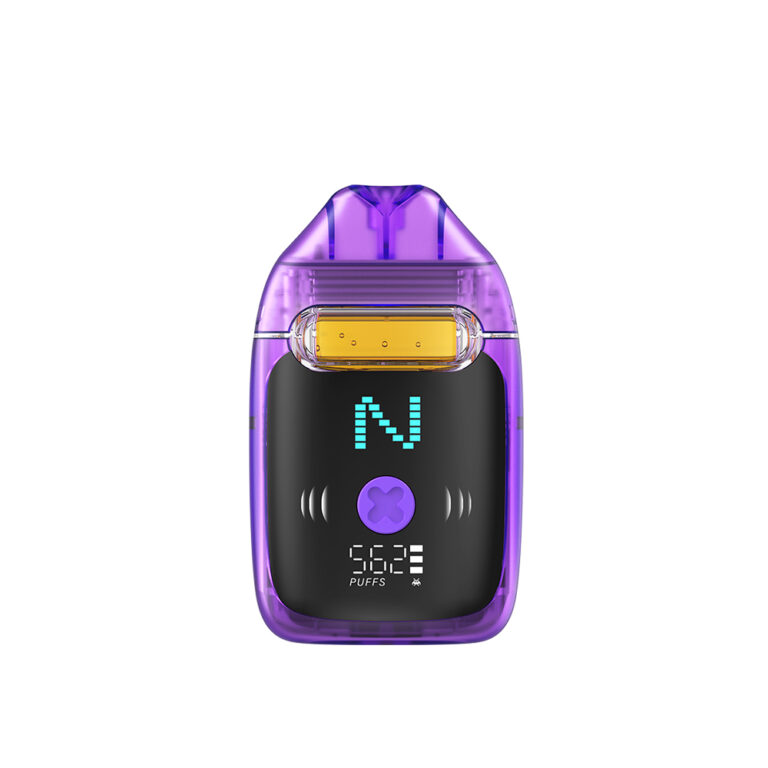
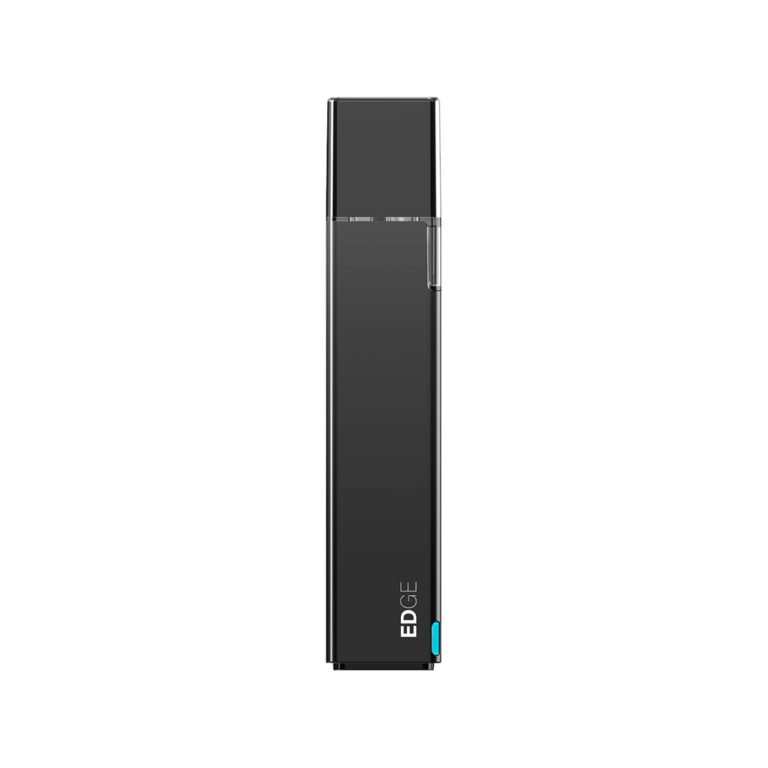
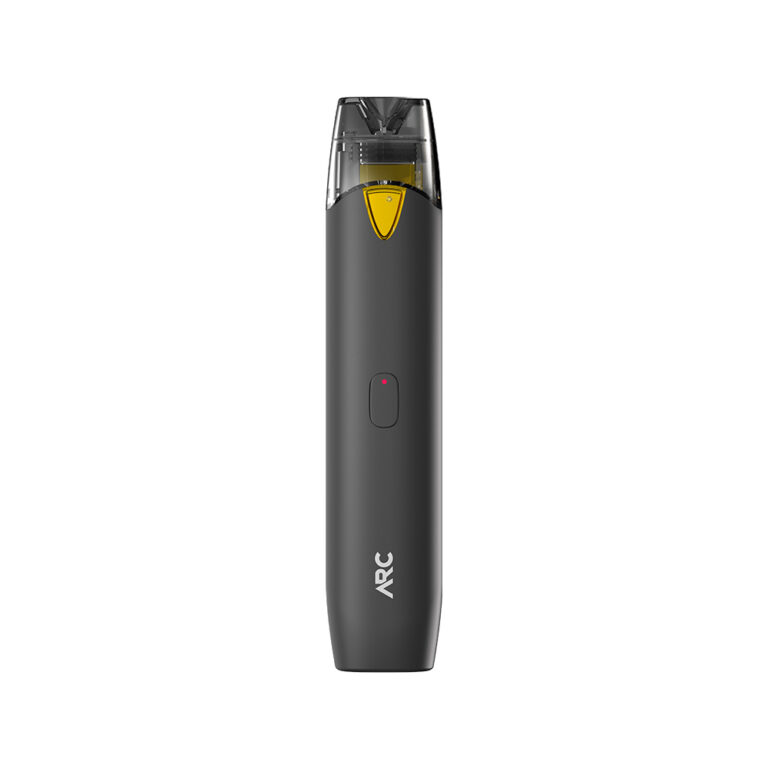
Nextvapor is a cannabis vape hardware manufacturer providing OEM and ODM development support for brands working with cannabis and CBD formulations. Its development capabilities cover atomization, internal vapor-path design, postless structures, heating technologies, and customizable hardware formats. For new projects, the intended extract, target device behavior, and manufacturing requirements can be considered together so that hardware selection begins with the application rather than external design alone.
Conclusion
Cannabis vape clogging is better treated as an engineering failure mechanism than as a generic product defect. Oil behavior affects liquid delivery, the atomizer determines how that oil is heated, and airflow geometry influences where vapor and residue may collect. Storage and repeated use add further variables. For CBD and cannabis brands, identifying where a blockage forms and reproducing the conditions that create it provides a stronger basis for hardware decisions than relying only on broad anti-clog claims.
FAQs
1. Why does a cannabis vape clog after sitting unused?
Oil may migrate during storage, while condensed aerosol can also collect inside the vapor path. Oil formulation, temperature, orientation, sealing, and internal geometry should all be reviewed before identifying the actual cause.
2. Does thick cannabis oil always cause more clogging?
No. Viscosity affects liquid movement, but clogging also depends on inlet geometry, heating conditions, airflow, storage, and atomizer saturation. The complete hardware-oil combination needs to be evaluated.
3. Does live rosin require different vape hardware from distillate?
It can. Different formulations may behave differently during liquid delivery and heating, so hardware intended for live rosin should be validated with that application instead of relying only on distillate testing.
4. Can a larger airway completely prevent vape clogging?
Not necessarily. Increasing airway size may reduce restriction in one location, but condensation or oil migration can still create buildup elsewhere if the underlying failure mechanism remains unchanged.
5. What should brands record during a cannabis vape clogging test?
Record the oil formulation, fill condition, storage environment, orientation, operating history, airflow behavior, and blockage location. Failed devices should also be opened and compared with normally performing samples.