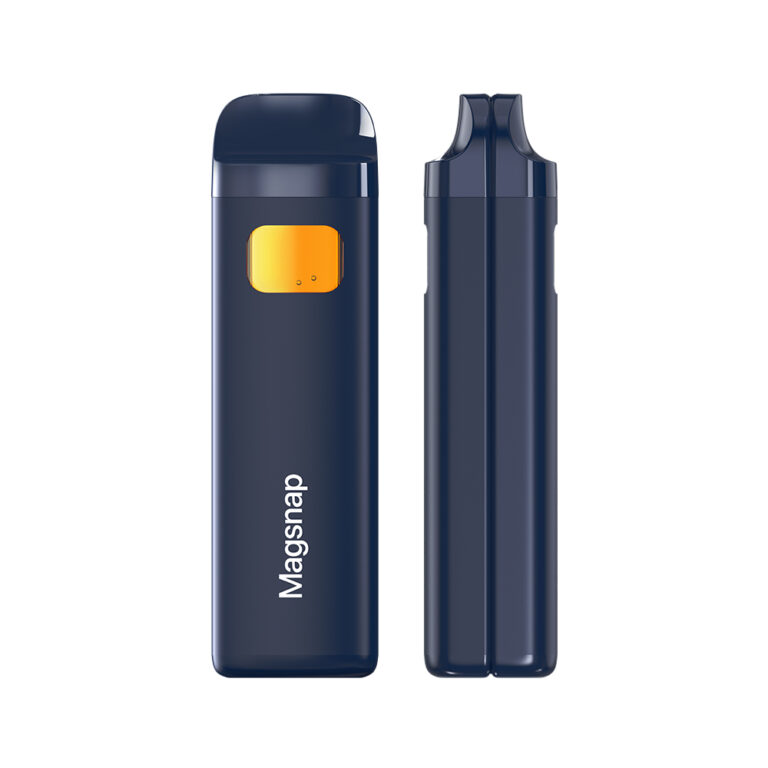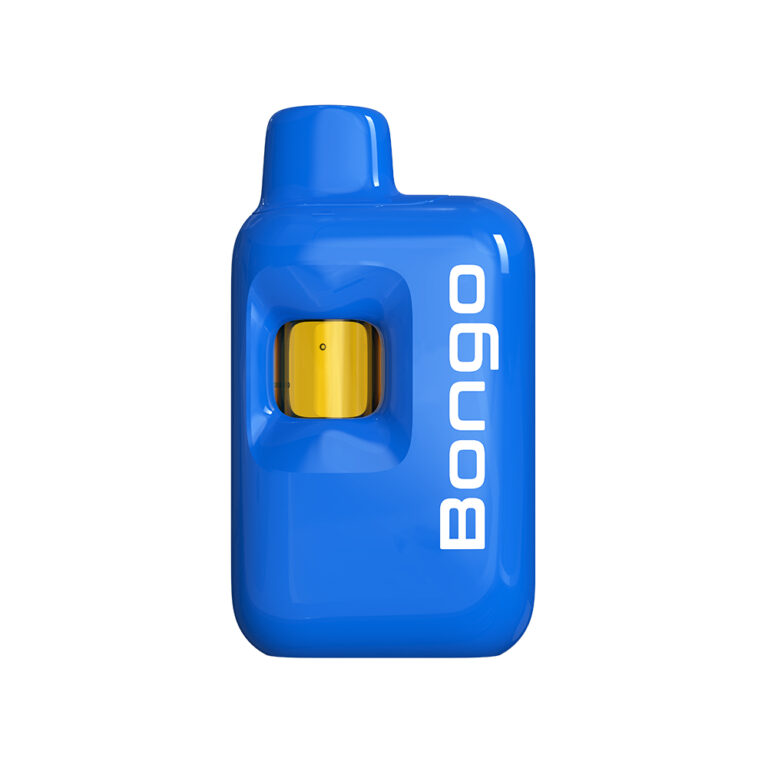


The first twenty units look fine. They were filled slowly, wiped clean, capped by one technician and left standing on a bench. The production line will not be that polite. It adds a faster dispenser, more than one operator, warm oil, a carton, a truck and the small dimensional changes that come with a real lot.
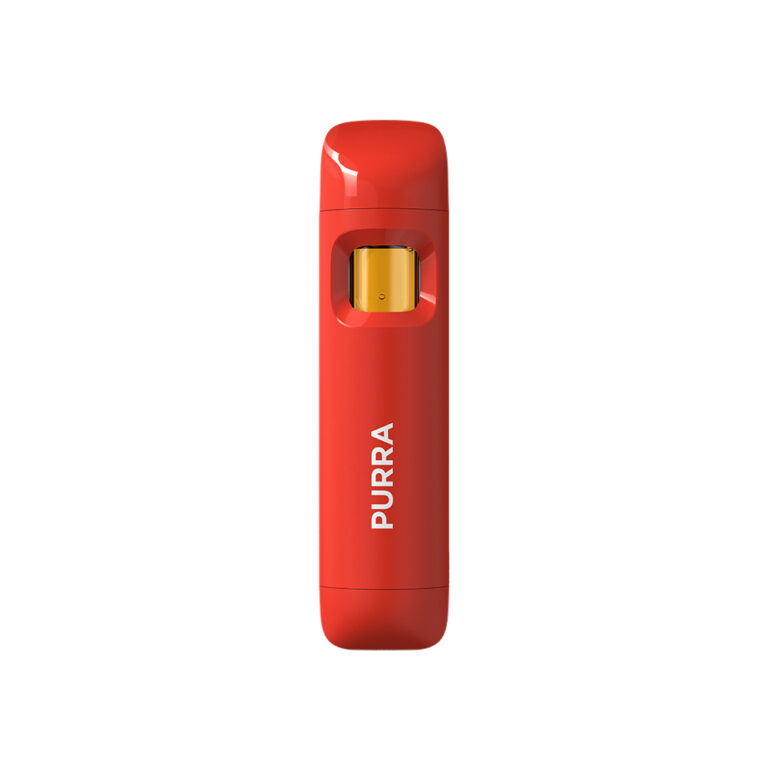
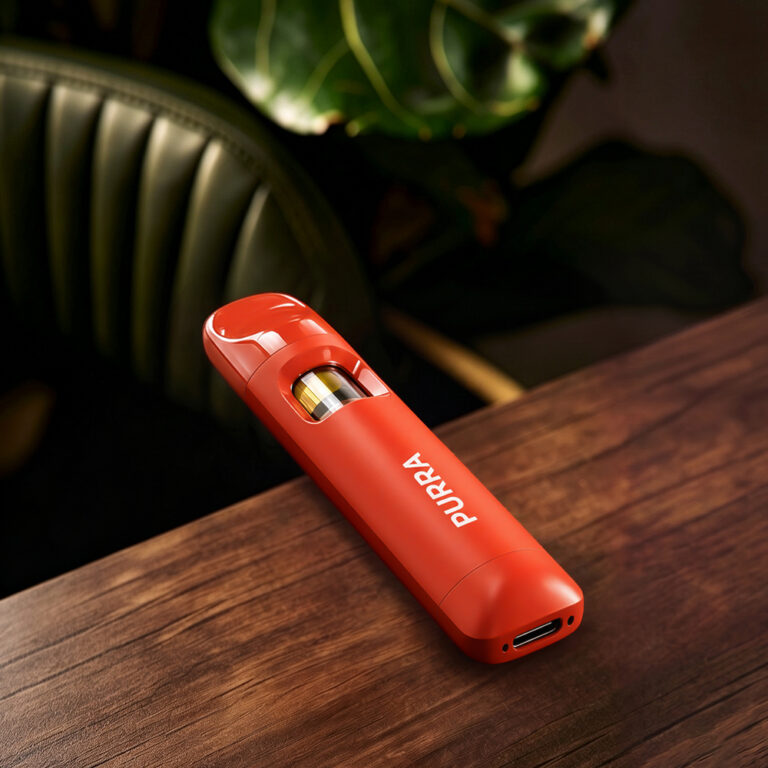
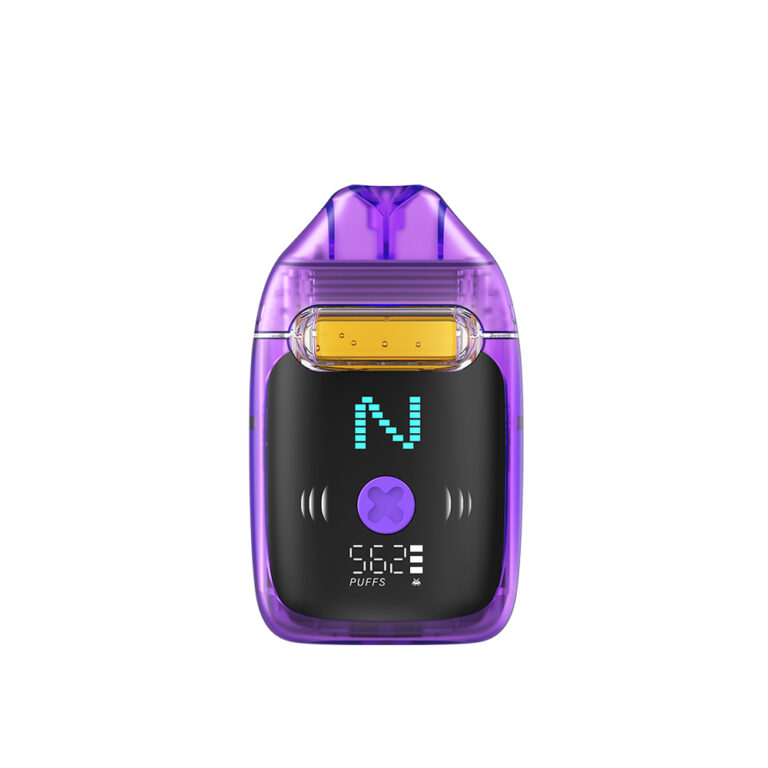
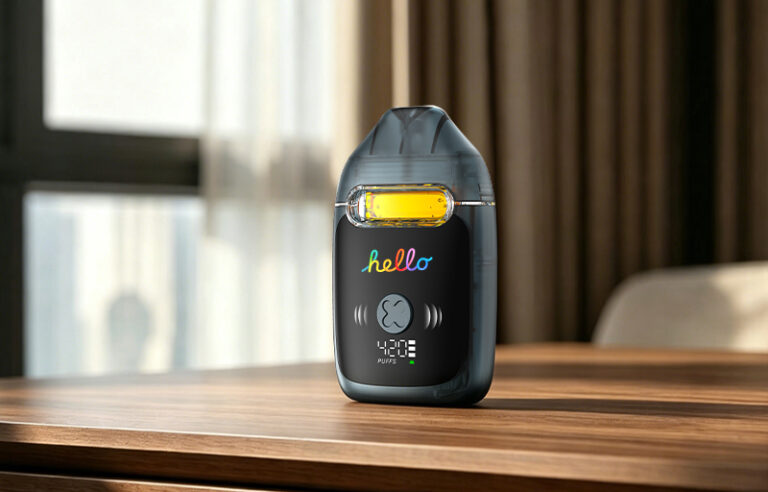
That is why a cannabis vape hardware pilot should not be treated as a discounted opening order. It is a rehearsal with written limits. A useful pilot tells you what happened when the proposed device met the proposed oil and closing process. Start by narrowing the options in the NEXTVAPOR product range to one model and revision. If the record only says “sample approved,” it will be hard to explain a leak two months later.
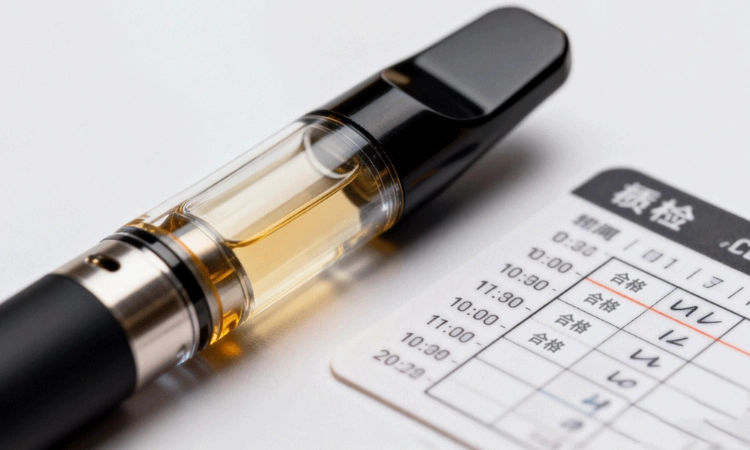
Label the Device Before Anyone Fills It
Put the model, capacity, finish, mouthpiece, cap and hardware revision on the sample bag. Photograph the unit beside that label. For a device with adjustable or programmed power, include the firmware or power version supplied for the run.
Now ask for a section drawing. Trace the oil from the tank to the heater, then trace the airway to the mouthpiece. Label the seals and every exposed material along those two routes. A catalogue word such as postless or glass heat cannot do that tracing for the buyer.
NEXTVAPOR sorts its current products by series, capacity, function and oil type. That helps you reach a shortlist. On the pilot sheet, replace the shortlist with one model and one revision. If a seal or heater changes later, reopen the rows affected by that part; the unchanged product name proves nothing about equivalence.
Test the Oil That Is Hardest to Fill
Your range may include one oil that moves slowly at the selected fill temperature and another that runs much more freely. Put both on the tray; a middle-of-the-range oil should not stand in for them.
Write the formulation and batch on a small label beside the tray. Add the dispensing temperature, needle, target mass and fill-to-cap time as the run happens. These details feel ordinary on pilot day. When a later lot behaves differently, they become the quickest way to see whether the oil, hardware or process moved.
A temperature or voltage copied from a different launch is only a clue. Obtain the starting window for the quoted hardware, try it with the labeled oil batches, and let the formulation and quality teams sign the window they can actually hold.
Make the Capper Part of the Test
Hand capping can rescue a slightly awkward fit. A line does not stop to feel for every cap. Run the intended equipment, or a setup close enough to expose problems with alignment and force.
On the first tray, watch the opening rather than the finished device. Does the needle touch the rim? Is oil left where the cap must seal? Does the cap begin straight? Mark a reworked unit with a dot and keep it out of the untouched sample group.
The event sheet can be short: unit number, oil batch, fill mass, cap result and a note. “Eleven rejects” is weak evidence. “Seven tilted caps, three oil-contaminated rims and one cracked mouthpiece” gives the supplier somewhere to start.
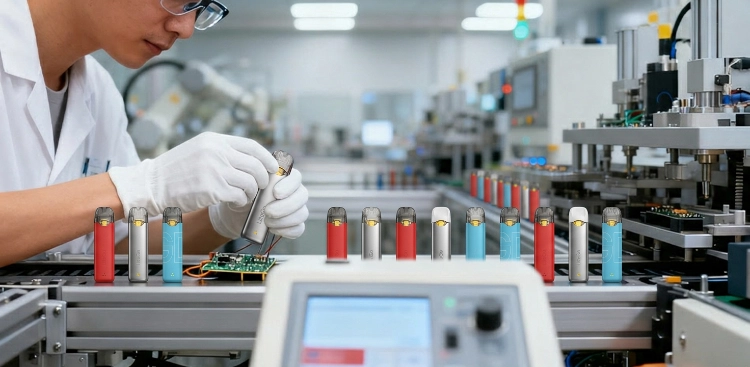
NEXTVAPOR describes filling and capping automation on its manufacturing capabilities and lists incoming inspection, air-tightness checks, and post-filling standing tests in its quality assurance process. During a review, ask which steps apply to the quoted model and what the lot record will show. A factory process description is useful; it is not yet your pilot result.
Let the Filled Units Sit in Uncomfortable Positions
Do not activate every device as soon as the last cap closes. Put the closing time on the tray and leave it for the interval in the protocol. A unit that looks dry at minute five may show oil after the reservoir and seals have been under contact for longer.
Keep one group upright and lay another on its side. Add an inverted group only when parcels or display packs could place the unit that way. Base the warm condition on the shipment or storage route; an unrelated torture temperature produces an impressive number with little purchasing value.
At each checkpoint, turn the unit under good light. Inspect the mouthpiece, inlet, seam and charging area, then look through the tank for haze or a gap that was not present at filling. Photograph any swollen seal, crack or shifted part. When weight is used, name the balance and tolerance on the form so that a small difference is not interpreted after the fact.
Write what the inspector saw. “No visible oil at the mouthpiece after the stated side-storage condition” can be checked again. “Leak-proof” cannot.
Test the First Draw After a Night’s Rest
Ten draws in a row tell the team something about continuous use. They say little about the first draw tomorrow morning. Add rest-and-restart cycles to the pilot.
On each restart, mark activation as yes or no, then record a blocked draw and any preheat used. A planned short preheat belongs in the user sequence. Needing several attempts after every rest points back to the oil-flow and airway match.
Repeat the restart at more than one oil level. Some trouble arrives late. Mark the remaining-oil stage on the sheet at the moment it happens; “near the end” is too elastic for a supplier to investigate.
A tester may also note flavor or smoothness. Keep that comment, but place it beside activation, blocked draws, visible residue, remaining oil and cycle completion. The second set can be repeated even when two people describe taste differently.
Repeat the Controls After the Battery Drops
A fully charged unit can make the first session look reassuring. If the selected hardware uses preheat, adjustable output, or a programmed curve, repeat a smaller set of checks at a lower usable charge state. Record the setting, oil batch, device revision, activation result, and any unusual housing heat on the same row. NEXTVAPOR presents ceramic heating, glass heating, postless structures, and power control as separate technology paths, so you should test the path in the quoted device rather than transfer a result from another catalogue model.
Read the Name on Every Test Report
A ceramic declaration, an empty-device air test, and an aerosol report answer different questions. File each one behind the claim it actually supports. Start with the sample name, device revision, preparation, method, detection limits, and date. A 2026 PubMed-indexed study on cannabinoid aerosol metals analysis shows why collection materials and contamination controls matter to the method. For purchasing, “tested” is incomplete unless you can identify what was collected, how it was collected, and which filled device produced it.
Write the Stop Rules Before Opening the Results
Write the release rules before opening the last test box. Include fill tolerance, cap rejects, leakage observations, activation failures, blocked draws and visible damage. Put an approver’s role beside any exception route; procurement should not quietly waive a quality failure on its own.
Bring one page to the final meeting: hardware revision, oil batches, agreed checks, failures and decision. Circulate that page to product, quality, operations, procurement and the supplier before the order is released.
If the run passes, keep retained units from both the hardware and oil lots. If it fails, say whether the next pilot changes the device, the filling process, the oil condition or more than one item. Changing everything at once makes a clean answer unlikely.
Conclusion
A cannabis vape hardware pilot is valuable because it is less tidy than a showroom sample. It brings line speed, cap force, difficult oils, storage positions, rest periods and battery state into the approval.
Send the hardware revision, oil list and proposed checks with a NEXTVAPOR sample request. The supplier can then respond to a defined pilot instead of a general request for “good performance,” and the brand can release the order against evidence it can find again.
FAQs
How many units belong in a cannabis vape hardware pilot?
Choose the quantity from the risks and checks in the protocol. It needs to capture normal line variation; there is no useful universal count for every device and process.
Should a pilot use more than one oil?
Yes, when the launch includes oils with meaningfully different filling or flow behavior. Test the practical edges of the approved range.
Why test after the device has rested?
Rest periods can reveal seepage, oil migration and restart clogging that a continuous session misses.
Is preheat a failure?
Not by itself. A formulation may call for one planned warming step. If testers repeatedly improvise extra cycles after rest, investigate the match rather than writing the improvisation into the guide.
What should a brand do after a factory component change?
Compare the change with the approved revision and repeat the affected checks. A familiar model name does not make a changed contact part automatically equivalent.