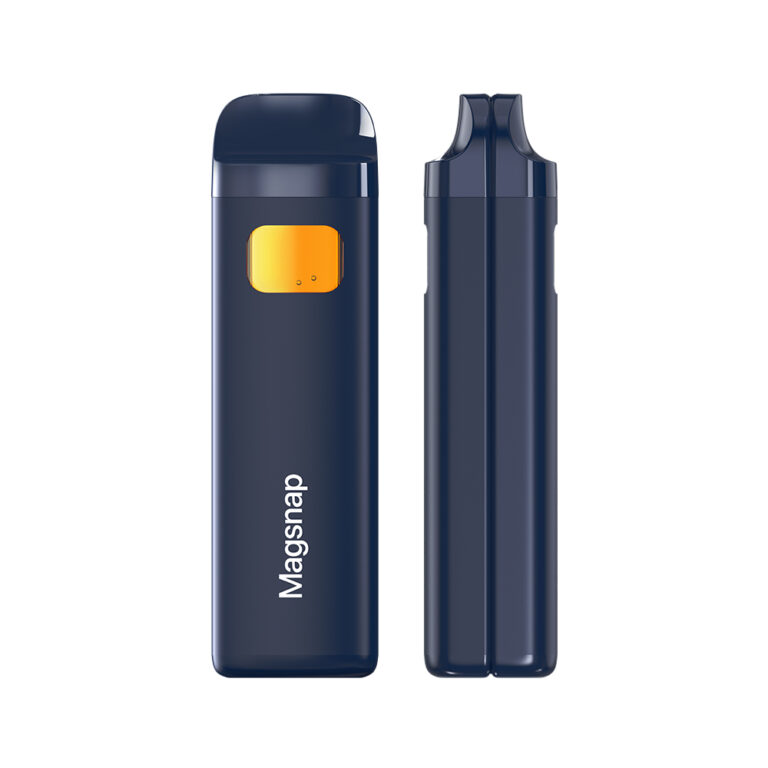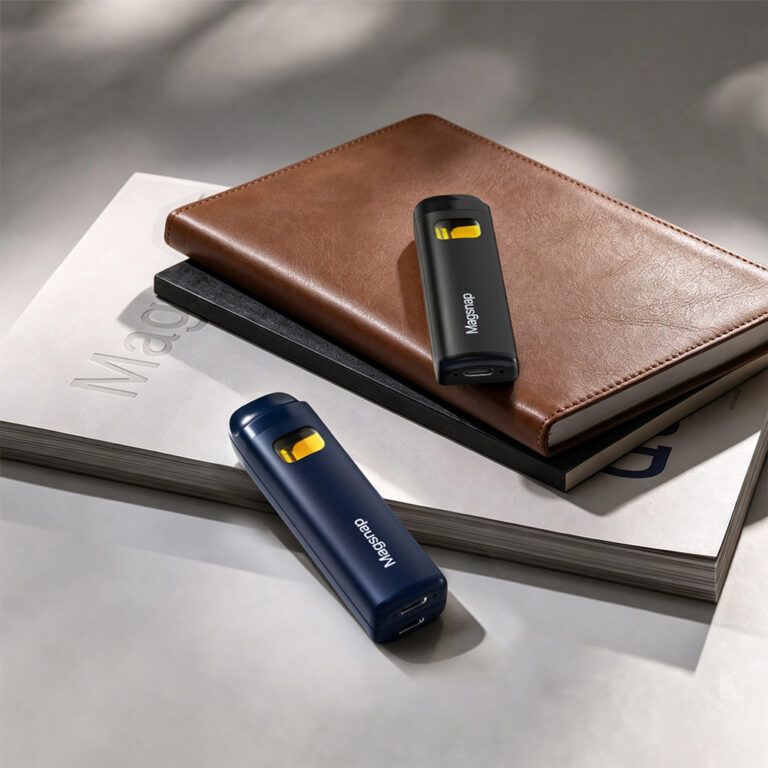

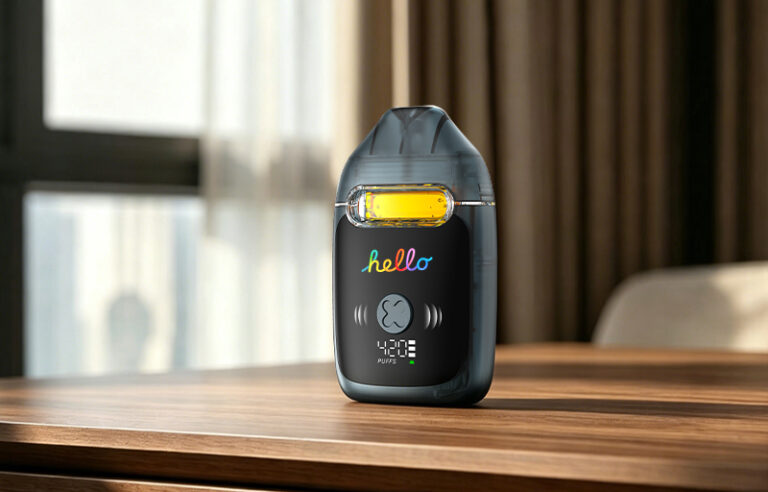
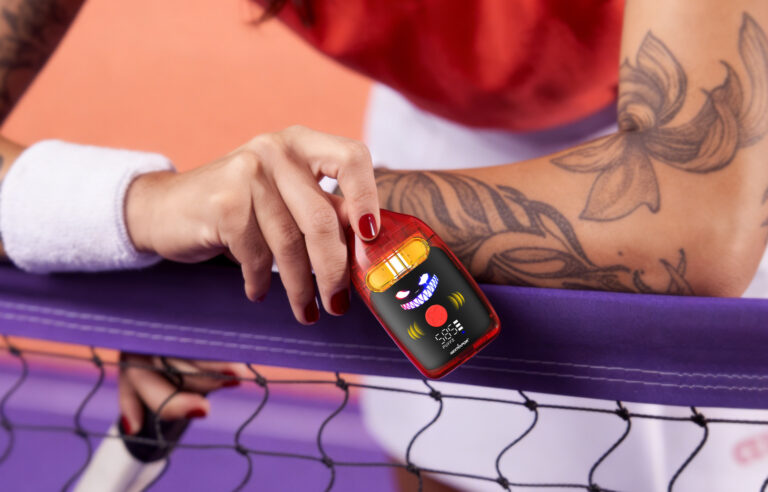
Two devices can carry the same 1.0mL capacity and still create different work for a cannabis brand. A compact body may sit neatly in a carton but need a custom nest on the filling line. A pen-style body may be easier to orient but change the label panel and pack height. That is why 1mL glass tank vape hardware should be approved as a filled, capped and packed system, not from a specification row alone.
The format remains commercially relevant. BDSA’s 2026 cannabis vape analysis reports that 1g products held about 53% of disposable vape dollars, while live resin and rosin together represented 32% of vape revenue over the previous 12 months. Those figures do not show a preference for glass or for either body shape. They do explain why a brand may be evaluating a 1g device for premium oil while the production team is asking very practical questions about handling.
Start with the shared specification, then examine the shape
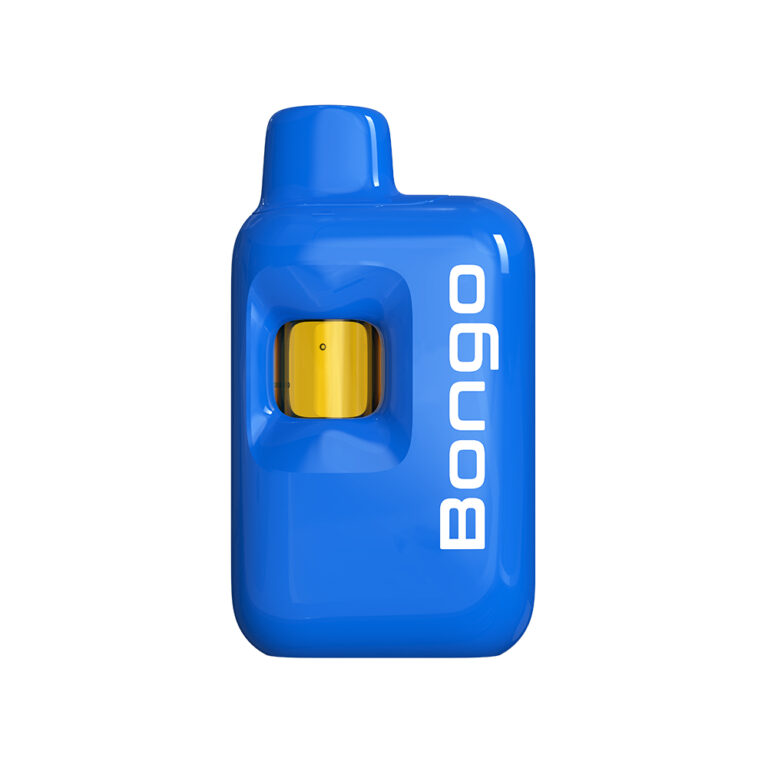
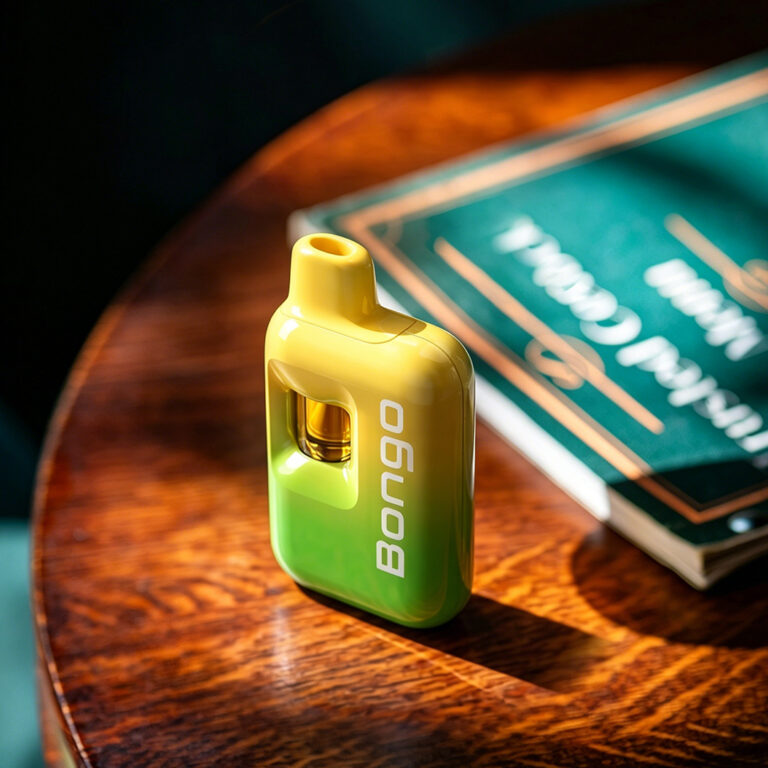
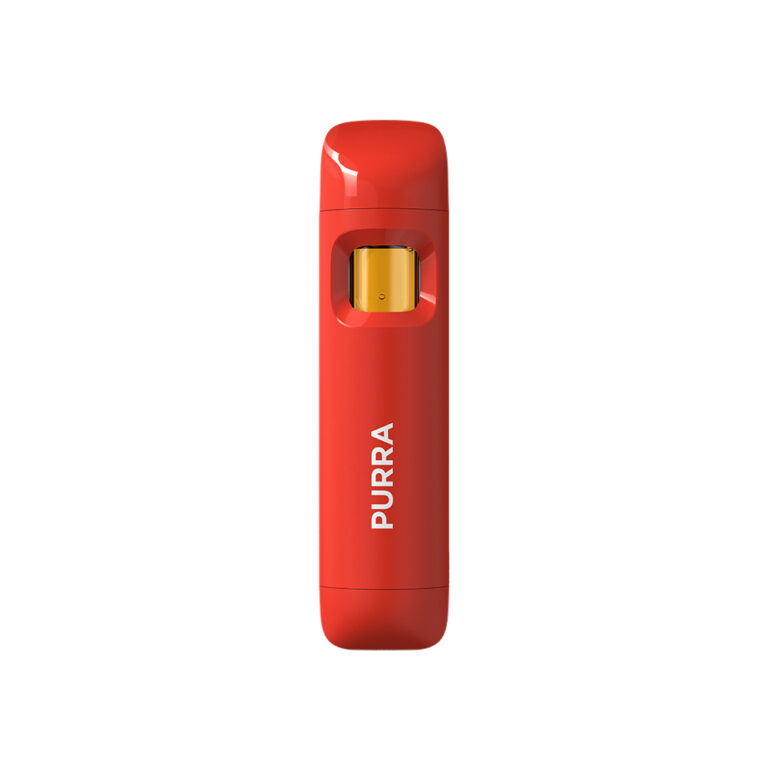
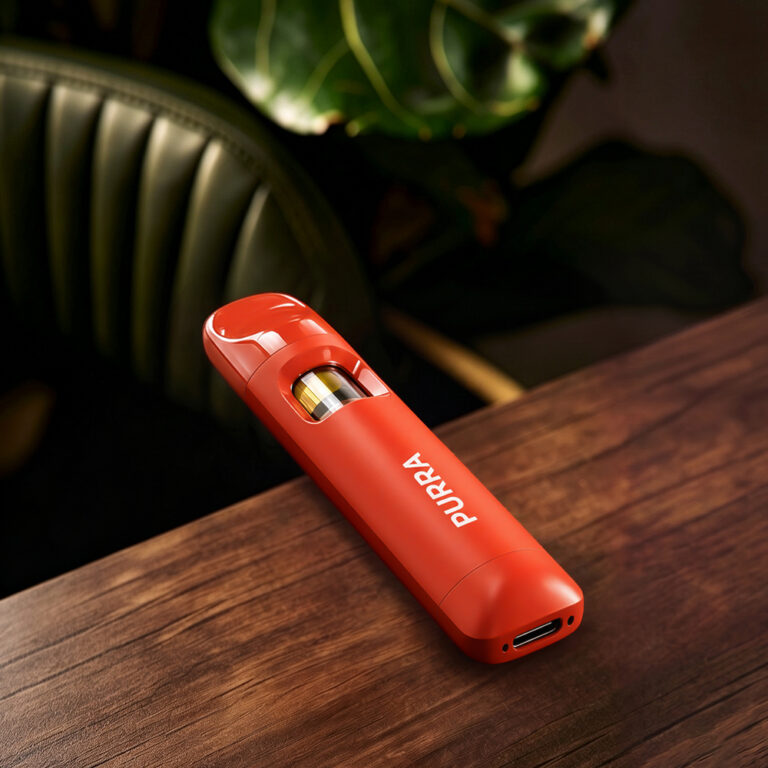
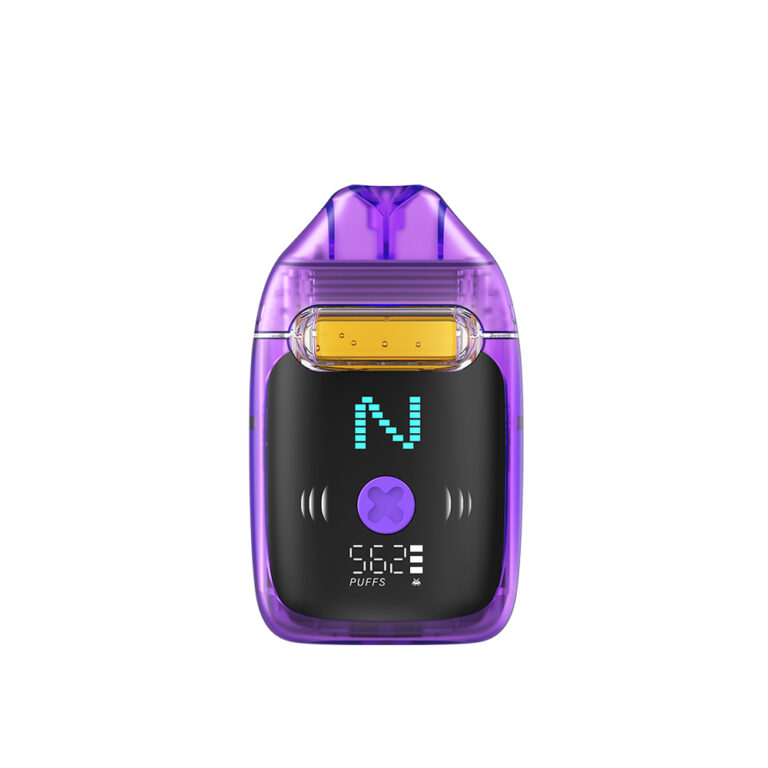
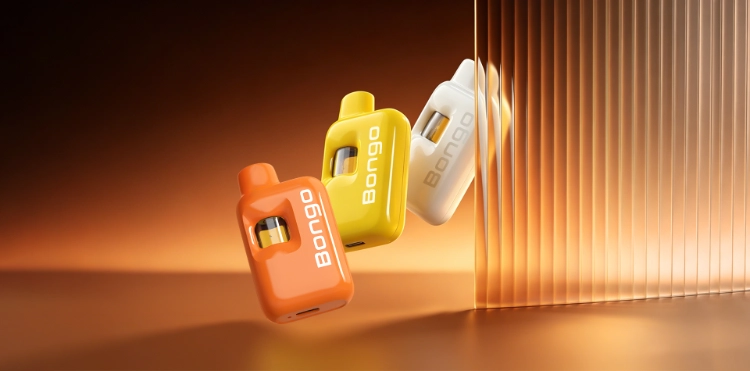
The NEXTVAPOR Bongo and NEXTVAPOR Purra provide a useful comparison. Their product pages list both as buttonless 1.0mL all-in-one devices with a 280mAh battery and constant-voltage output. Bongo is listed at 62.00 × 34.50 × 16.00mm. Purra is listed at 88.00 × 22.30 × 15.80mm.
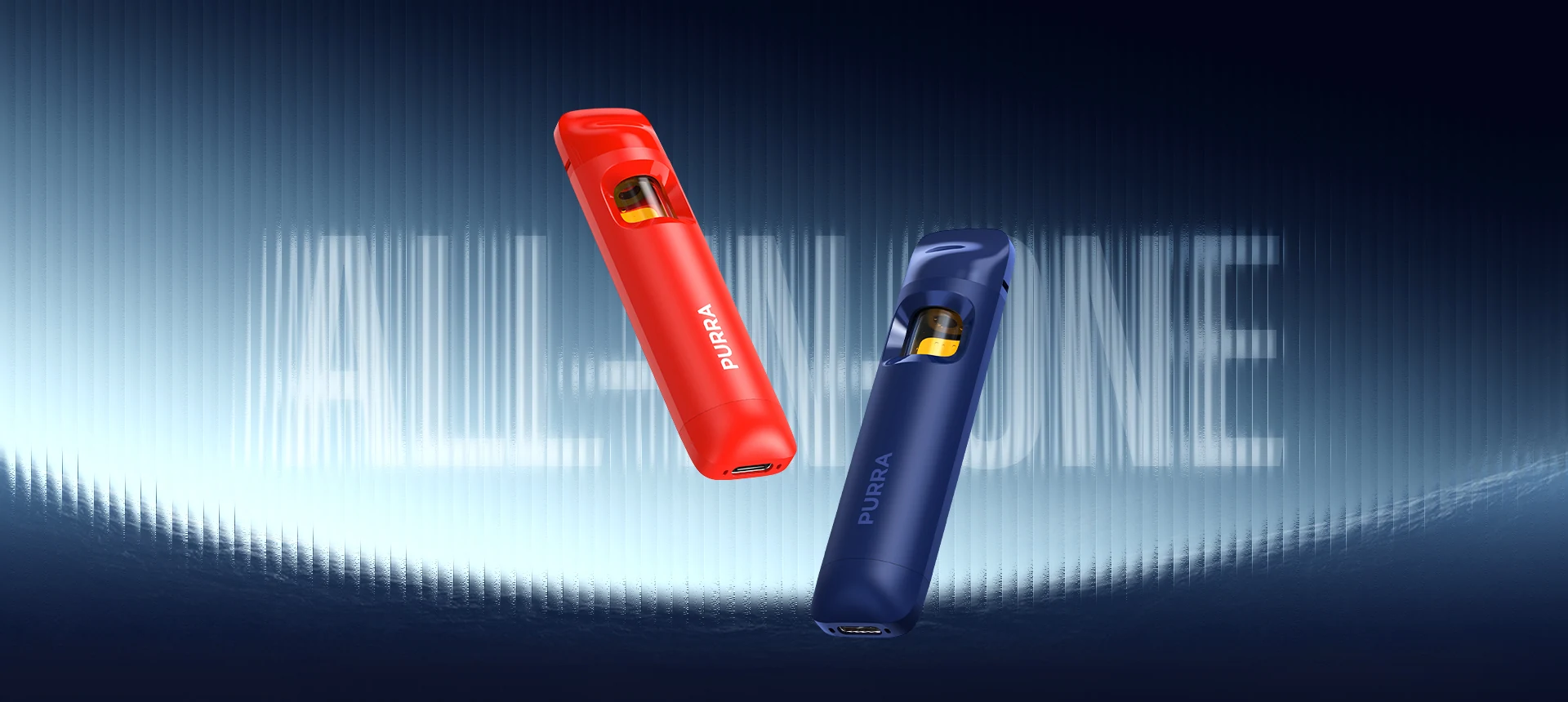
That does not make one format universally better. It creates two different production objects. Bongo is shorter and wider. Purra is longer and narrower. A buyer should keep capacity, oil and electrical settings constant during the comparison, then observe what changes because of geometry.
Use the offered production revision, not a catalogue rendering. Confirm the drawing number, mouthpiece, glass chamber, charging port, finish and decoration area. If any of those details differ between the sample and quotation, the form-factor comparison has already mixed two configurations.
Check the tray and fixture before discussing speed
A sample may stand upright on a desk and still be awkward in a filling tray. Load the actual devices into the proposed nest. Record the orientation, supported surfaces and the point where an operator or robot grips the unit. The glass area should not become the locating surface merely because it is visible and convenient.
Run the same check at the capping step. A shorter, wider body can present a broad base, but the mouthpiece and tank still need correct alignment. A longer body may require more vertical clearance or lateral support. These are questions for the real fixture and capping method; dimensions alone cannot answer them.
The trial should include a controlled stop and restart. Remove one device, replace it and confirm that the station returns it to the same position. Note whether operators can reverse a unit, place it one station off or load it at a slight angle without an obvious warning. A useful fixture makes an incorrect placement difficult to miss.
Do not quote throughput from an empty-hardware demonstration. Fill the intended oil under the brand’s approved process, then observe handoffs, wiping, capping and inspection. The slowest reliable step sets the practical line rate.
Make oil visibility part of the inspection method
Both products show the oil chamber through a body window, but the surrounding housing and viewing angle differ. Decide what the inspector must see: fill level, bubbles, residue at the seal, a foreign particle, or a shifted internal part. Then specify the lighting, viewing sides and inspection timing.
A photograph taken straight toward the window may not represent the view in a tray. Test the inspection while the device is held by the production fixture and again after packaging preparation. If a logo, label or decorative coating can approach the window, put the keep-clear area on the approved artwork file.
For 1mL glass tank vape hardware, a clear chamber can support inspection only when the acceptance rule is equally clear. “Looks full” is not a measurement. The brand should define its fill target and allowable variation using its validated filling method. Appearance can support that check; it should not silently replace the filling record.
Build packaging around the finished device
Start the carton and insert trial with decorated, filled units. A compact body may permit a shorter carton, while a pen-style body may use a narrower footprint. The useful comparison is the complete pack: device orientation, insert contact points, label area, required warnings, instructions and shipping carton count.
Look for hard contact near the glass window, mouthpiece or charging port. Shake the closed retail pack by hand as an early screening step, then use the brand’s approved packaging validation for the final decision. An early rattle is a design clue, not a substitute for transport testing.
Try to remove and replace the device without tearing the insert. This reveals whether inspection or rework can return a unit to the approved pack condition. It also shows whether the insert sheds fibers or marks the finish where the customer will notice.
Keep the packaging sample tied to the exact hardware revision. If a body radius, mouthpiece, finish or window changes, reopen the affected fit and artwork checks. A carton that fits yesterday’s sample is not evidence for tomorrow’s revision.
Compare filled samples on one approval sheet
Put both candidates through the same sequence and record observations in one place. A practical sheet can include:
- hardware revision and drawing number;
- oil batch and fill process reference;
- tray orientation and fixture contact points;
- capping alignment and operator access;
- window visibility before and after decoration;
- retail insert fit and contact areas;
- finished-pack dimensions and carton count;
- retained sample location and approval date.
NEXTVAPOR’s public quality assurance process describes incoming inspection, air-tightness testing, in-process control, a post-filling standing test and appearance inspection. A brand can use those stages to organize questions, but it still needs product-specific criteria for its oil, equipment, packaging and market.
When results differ, write the observed condition rather than a broad verdict. “Unit rotated in tray during transfer” is actionable. “Shape is inconvenient” is not. The first statement points to a nest, handling or orientation change that can be checked on the next sample.
Conclusion
Choosing between compact and pen-style 1mL glass tank vape hardware is a production decision as much as an appearance decision. Bongo and Purra share several published specifications, which makes their different proportions useful for a controlled comparison. The brand should approve the revision that works with its oil, fixture, decoration, inspection method and finished packaging, then preserve that evidence with the purchase record.
Send the chosen oil, expected filling method, artwork and packaging constraints when making a NEXTVAPOR sample request. That gives the supplier a concrete configuration to discuss and gives the buyer a sample that can answer more than “Which shape looks better?”
Frequently asked questions
Does the same 1.0mL capacity mean two devices use the same filling setup?
No. Capacity is one specification. Body dimensions, orientation, fill opening, mouthpiece and fixture contact points can change the tray and capping setup. Test the quoted revision on the proposed equipment.
Is a compact AIO easier to package than a pen-style AIO?
Not automatically. It may reduce carton height but increase width or require a different insert. Compare the complete decorated and filled pack.
Can the oil window replace fill-weight or dispensing records?
No. Visual inspection can help identify obvious conditions, but the brand should use its validated fill target and process records for acceptance.
What should trigger a new packaging fit check?
Recheck fit when the body, mouthpiece, window, finish, decoration, charging-port position or insert changes, or when the supplier identifies another revision that affects contact points.