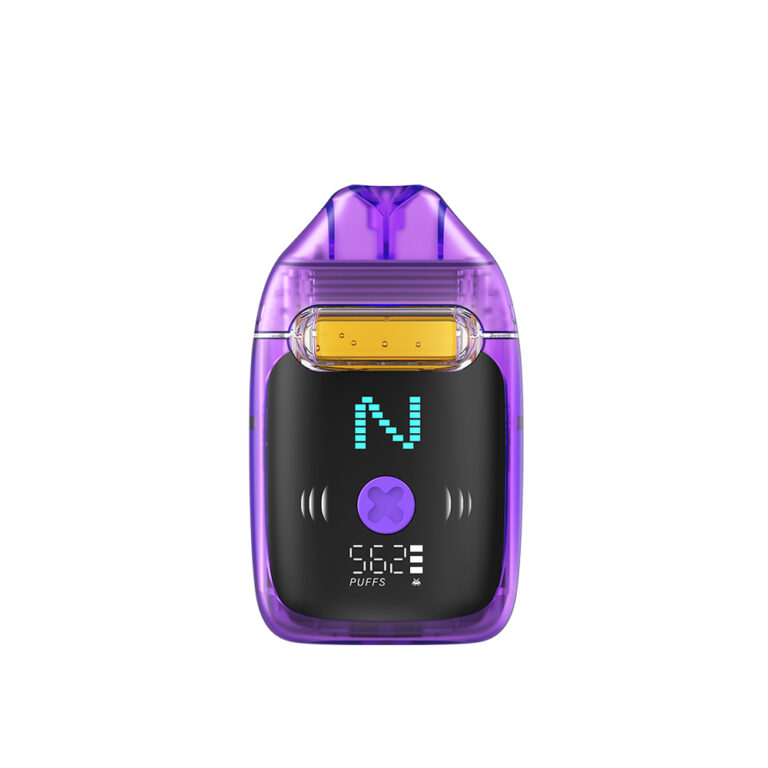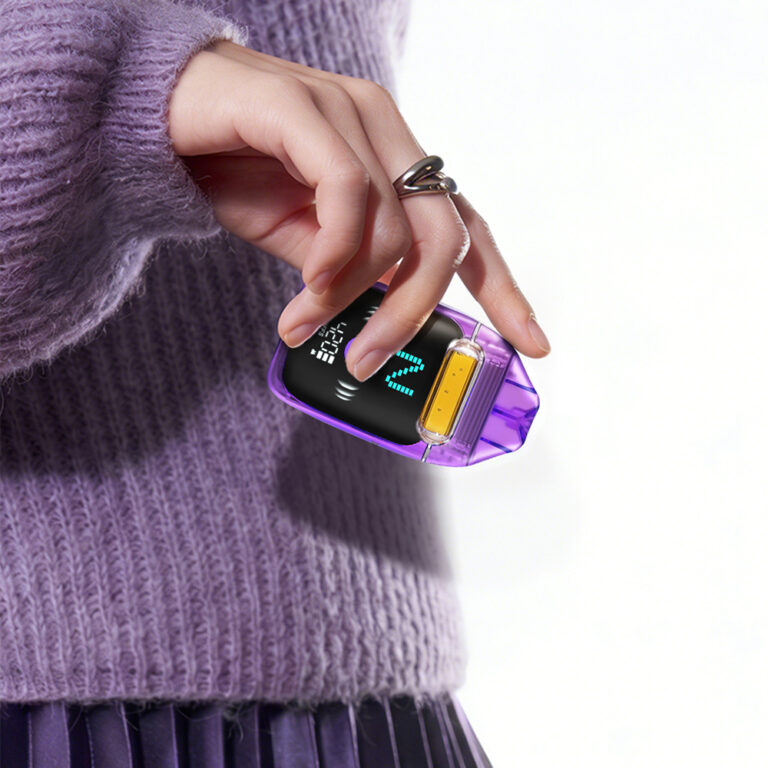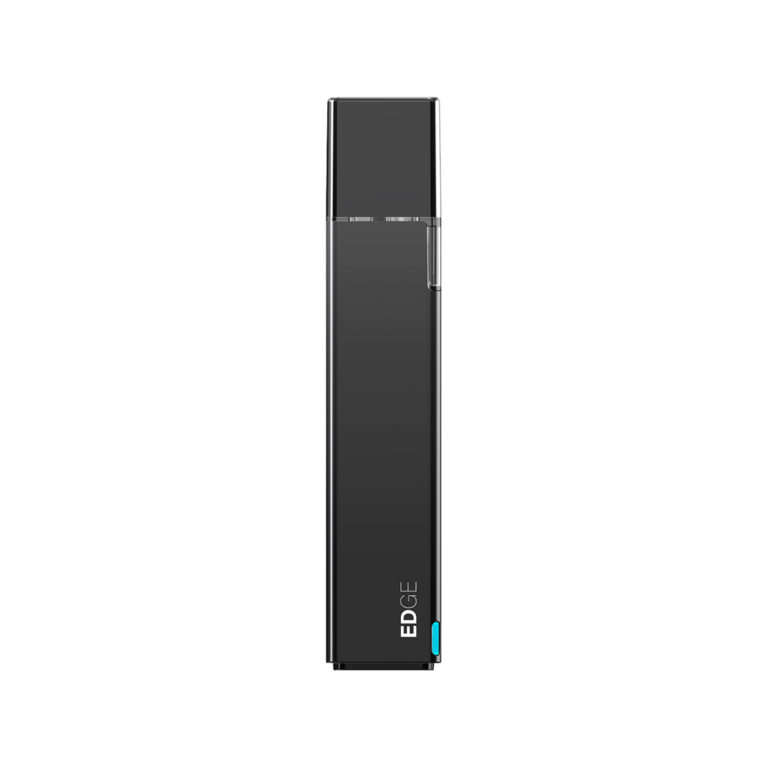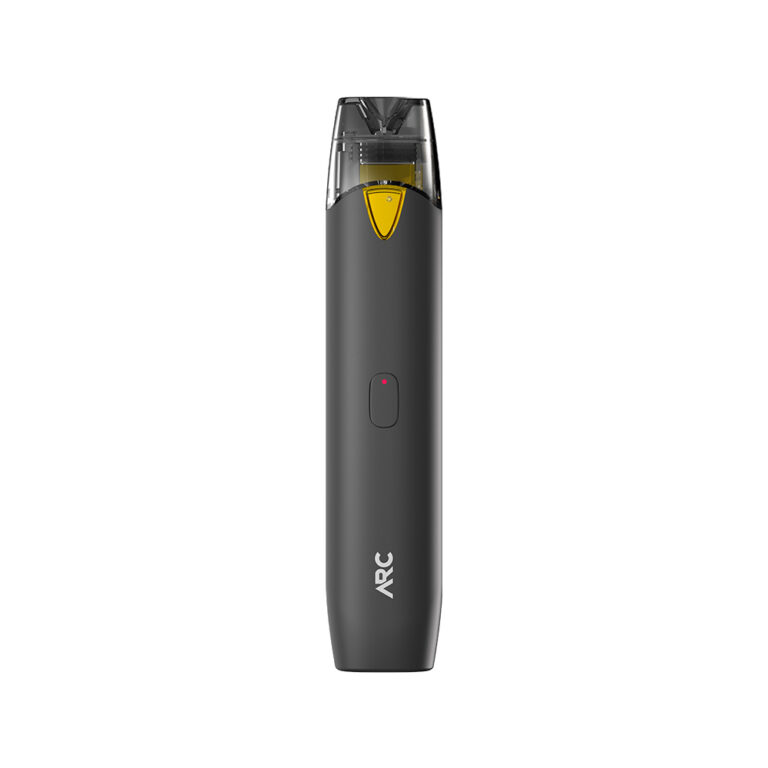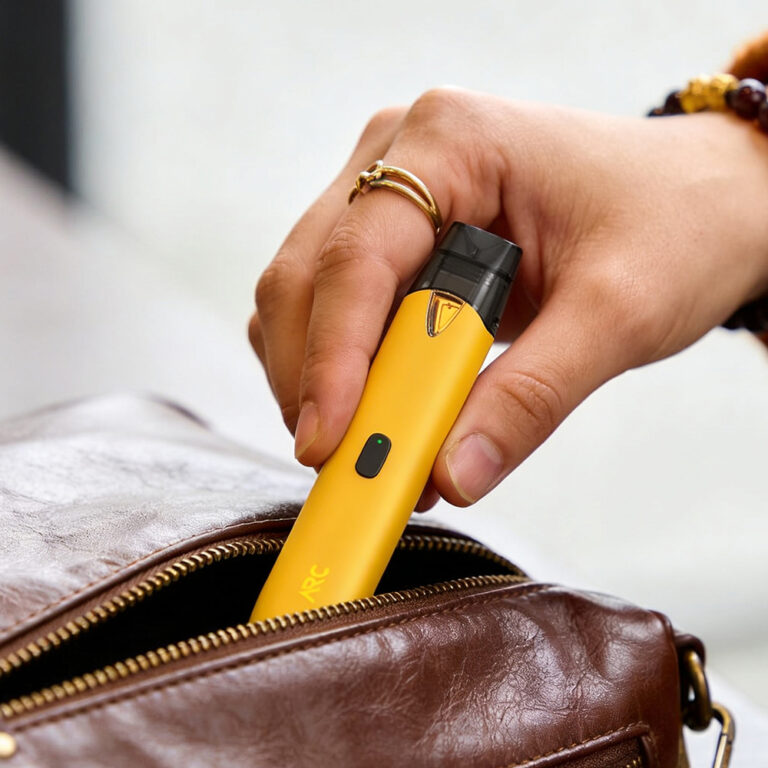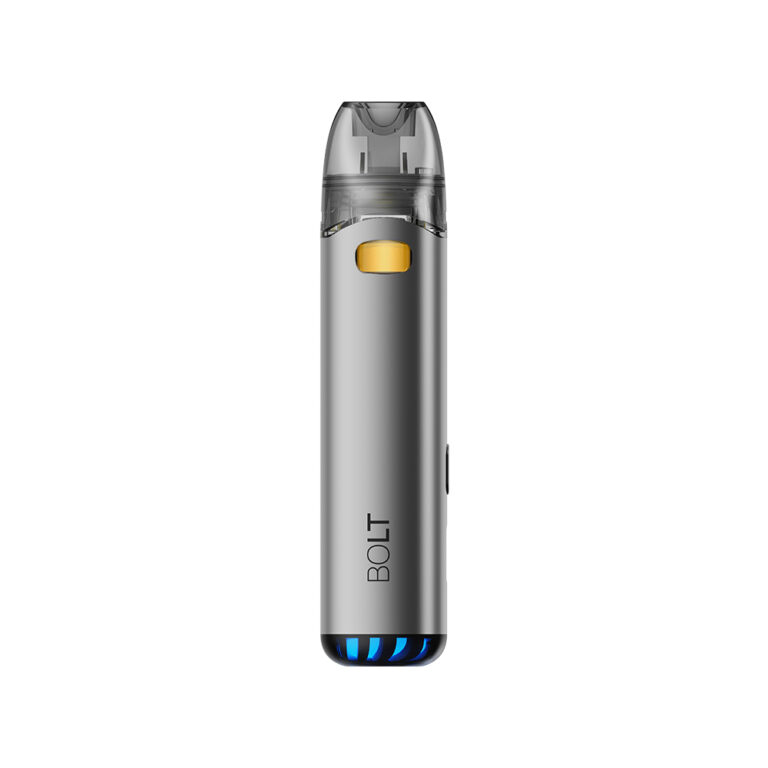


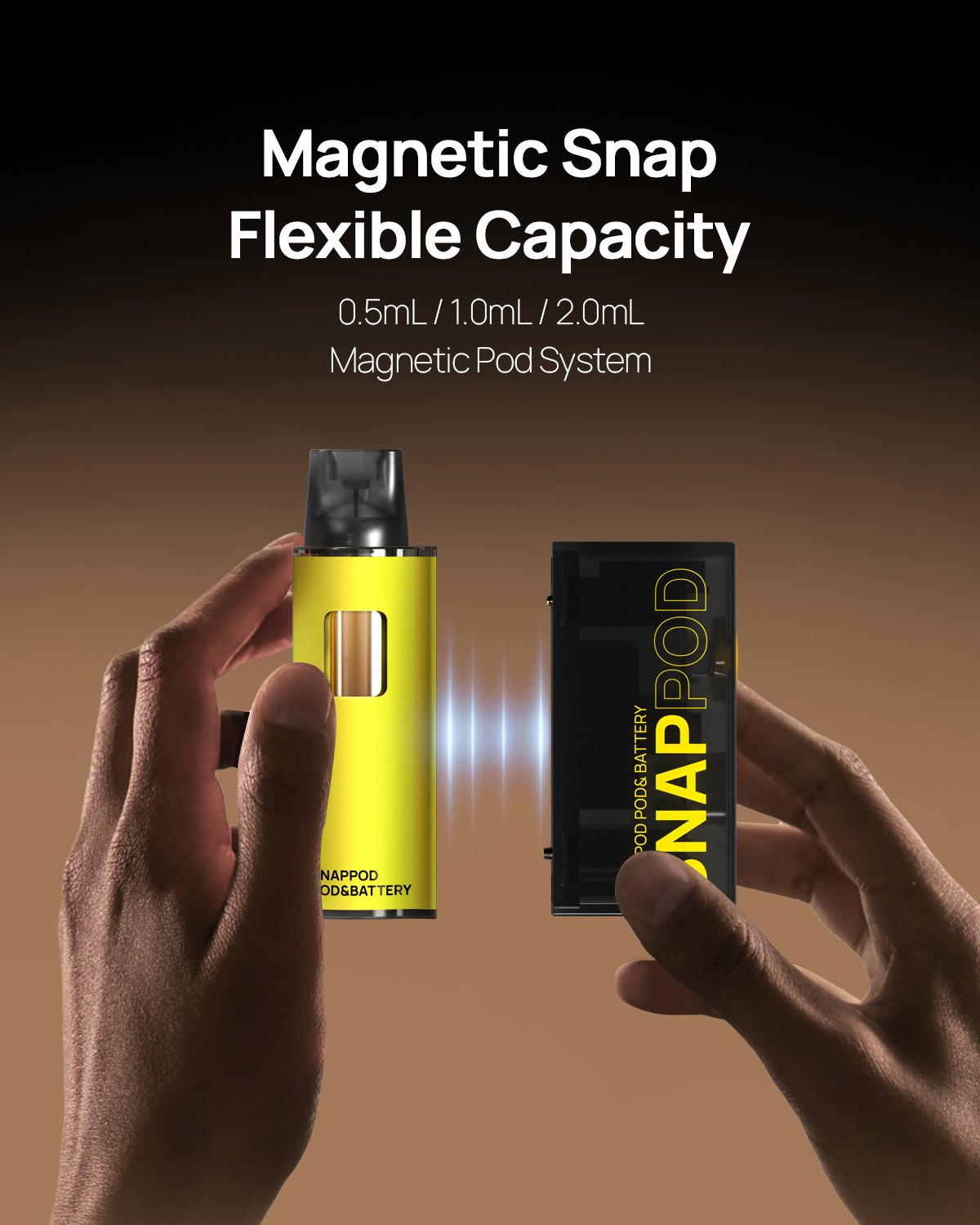
A pod may click into a magnetic battery and still be the wrong choice for an OEM launch. Physical fit says little about performance with the brand’s actual oil, fill or storage conditions. Nextvapor describes SnapPod as a cartridge-switching system with battery pairing, but that product description does not validate a specific OEM configuration. Its separate 510-platform buyer guide raises useful compatibility questions; because it covers threaded hardware, the supplier must decide which checks apply to the proposed magnetic pair.
Start with a clearly defined pod and battery pair
Put exact part numbers and revisions on the sample request before discussing compatibility. Include the pod, battery, oil formulation, filling process and intended fill condition. Note expected user actions, storage requirements and package fit as well. ‘SnapPod-compatible’ on its own would leave too much open: the launch decision concerns a particular set of components and conditions, not just a magnetic connection.
| Item to identify | What the sample request should make clear |
|---|---|
| Pod and battery | The exact model and revision of each component in the proposed pair |
| Formulation and fill | The actual oil, filling process and intended fill condition |
| Use and packaging | Expected user actions, storage conditions and package fit |
| Decision record | Which observations, exceptions and sample IDs will support the decision |
If the project includes several pod or battery revisions, request a list of proposed combinations and separate sample requirements. A product page is the starting point, not an OEM approval record.
Keep the sample conditions and revisions consistent
Nextvapor’s 510-platform buyer guide draws a distinction between mechanical connection and full performance compatibility. It lists battery output, contact height, airflow, resistance and heating-core design as potential variables in threaded systems. The magnetic supplier should identify which are relevant to its design and whether different checks are needed. It would be misleading to lift this 510 list wholesale and call it a magnetic-pod specification.
The same guide advises testing production-representative samples with the actual formulation. That brings filling, capping, contact, leakage, storage, packaging and performance into the discussion. For the magnetic proposal, have the supplier distinguish checks it can use as written from those requiring a different method or falling outside the project scope. Record the sample’s hardware revisions and fill conditions before comparing observations.
Look at the connection and the controls in everyday use
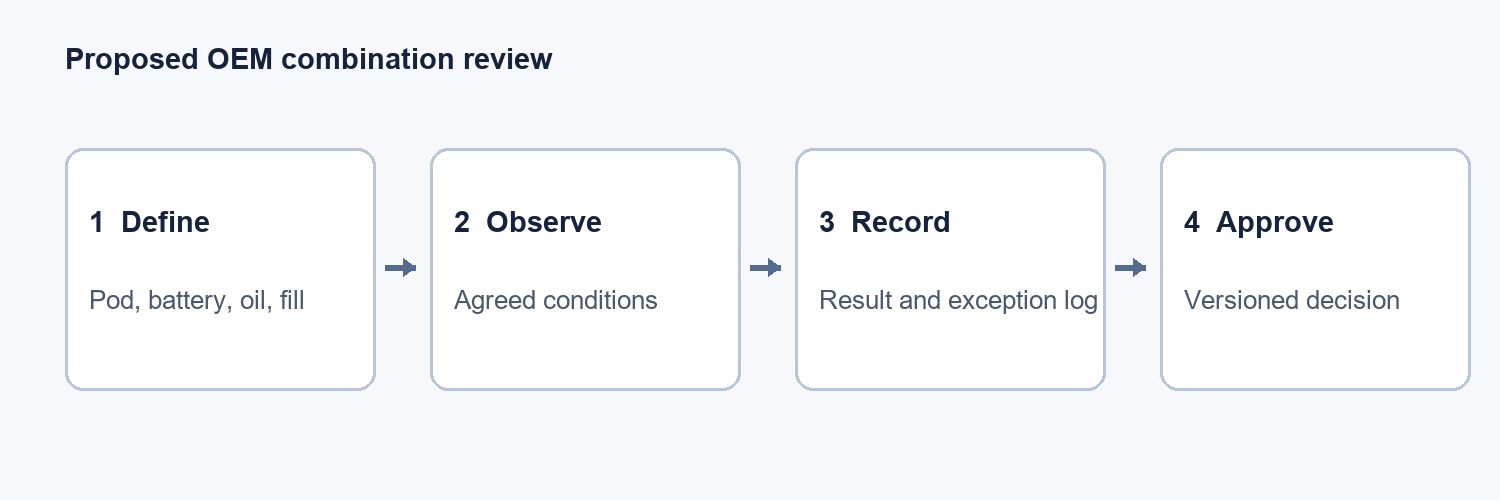
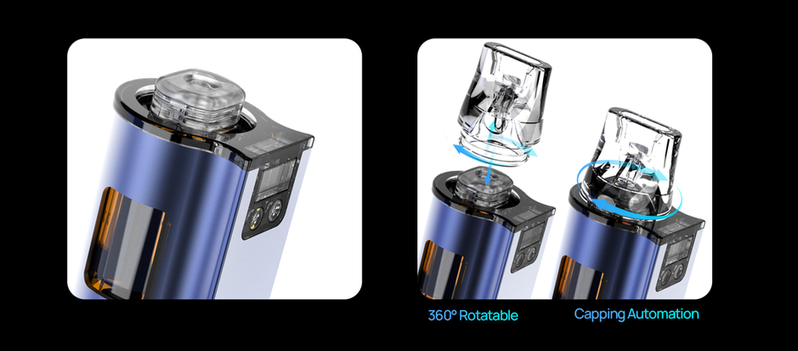
A sample review should show how the pod seats, how it is removed and how the battery responds to intended controls. SnapPod’s product description mentions a multifunction button for power, preheat and voltage adjustment. Log the actual pod and battery IDs, conditions and observations when those functions are tried. What a product is designed to do and what the submitted samples demonstrate are not the same record.
The 510 guide also lists dimensional fit, contact reliability, fill accuracy, capping consistency, leakage, airflow, resistance, battery output, cold and warm storage, transport simulation and performance near the cartridge’s end. Thread engagement is specific to a threaded connection. Instead of treating the list as completed SnapPod testing, request a magnetic-specific checklist and proposed acceptance criteria for the pod-and-battery pair.
Nextvapor’s quality page describes keeping oil-filled devices under controlled conditions to monitor stability. It does not report results for this proposed OEM combination. Ask the supplier what conditions and observations it would record for the filled samples. The 510 buyer guide recommends evaluating more than one lot when possible; a second lot would help reveal whether the first set’s observations are repeatable.
Write down exactly what was approved—and what would change it
Keep a decision record with pod and battery revisions, oil and fill details, sample IDs, conditions, observations, exceptions and approval status. Drawings, material data, operating specifications, packaging requirements, lot identification and inspection criteria may also be needed. Nextvapor’s 510 guide recommends those types of supplier documents, but the magnetic supplier must confirm what is actually available for this project.
Revision control matters after approval too. The 510 guide recommends clear labels, retained samples, approved bills of materials and supplier change notices to avoid mixing incompatible versions on repeat orders. For the magnetic project, agree on how a changed pod or battery revision will be flagged and when the combination must be reviewed again.
What to include in the OEM sample request
Give the supplier the pod and battery IDs, actual formulation, fill process, intended use, storage conditions and packaging. Request relevant checks and records for that configuration. The SnapPod product page is the reference for the product-specific features. The separate Nextvapor 510-platform buyer guide offers discussion points to adapt, not completed test results for SnapPod.
One question will focus the discussion: “For our oil and fill process, which pod and battery revisions do you recommend, what samples will you review, and what observations would support approval?” Have the supplier distinguish proposed checks from completed results.
Conclusion
Approve magnetic pod compatibility for a named hardware-and-fill combination, not simply because parts connect. Confirm the revisions, agree on relevant sample checks and keep the observations behind the decision. The approval record should also show when a later component, formulation or process change calls for another review.
FAQs
Does a magnetic connection prove that a pod and battery are ready for launch?
No. SnapPod’s page describes pairing, not approval of a particular OEM pod, battery and oil combination. Nextvapor’s separate 510 guide likewise distinguishes mechanical fit from full compatibility for threaded hardware. The magnetic supplier needs evidence tied to the proposed pair and intended conditions.
Can a 510 compatibility checklist be used unchanged for a magnetic pod?
Not unchanged. The 510 checklist raises useful questions about contact, airflow, formulation, leakage, storage and packaging, but it is written for threaded hardware. The supplier should identify which checks carry over and what needs a different method. Thread engagement, for instance, is specific to 510 hardware.
Which records should accompany a proposed OEM combination?
Record pod and battery revisions, sample IDs, oil and fill conditions, inspection items, observations, lot information and change procedures. Nextvapor’s 510 guide also recommends drawings, material information, operating specifications, packaging requirements and inspection criteria. Confirm which records exist for the magnetic project.