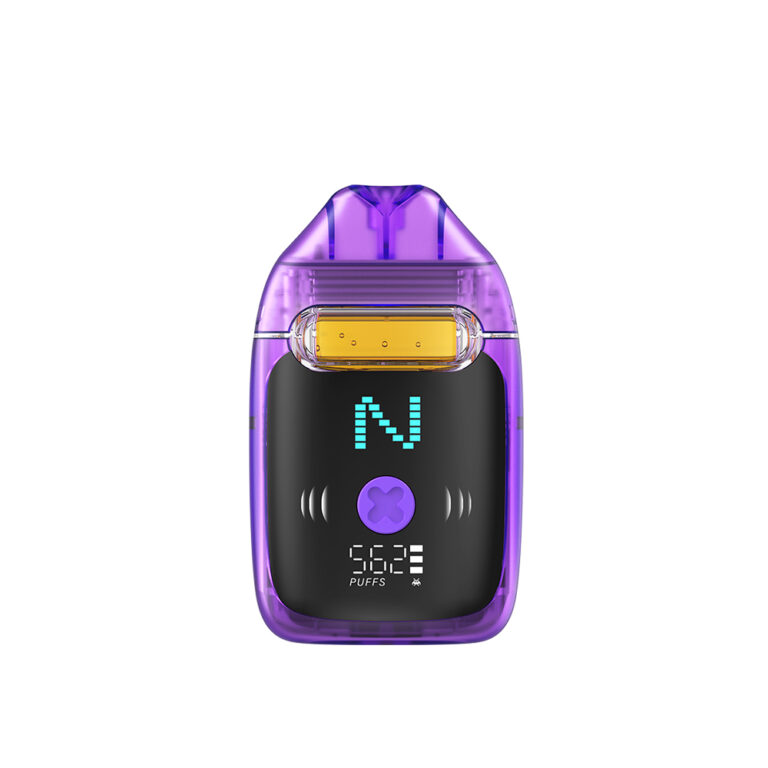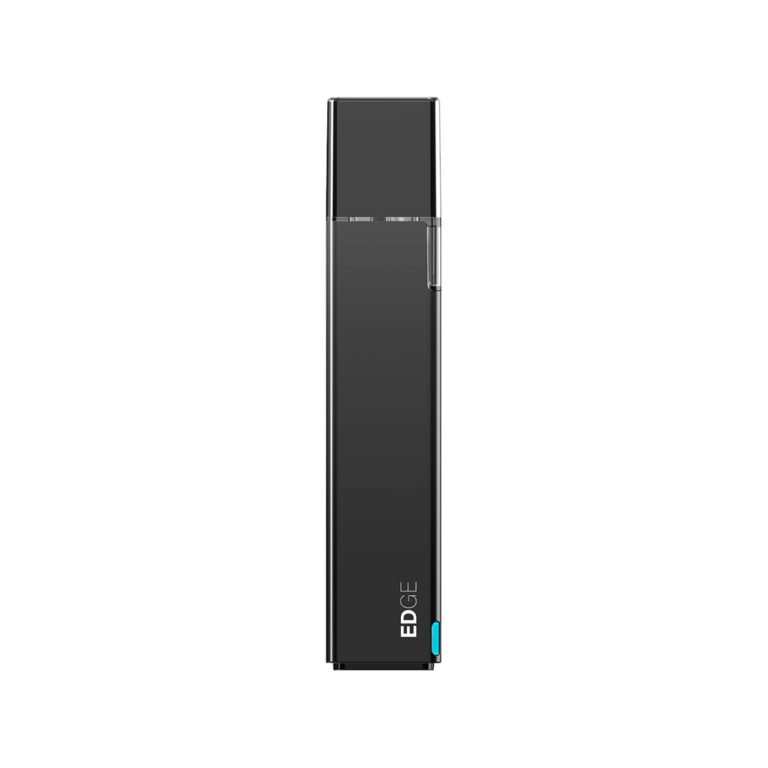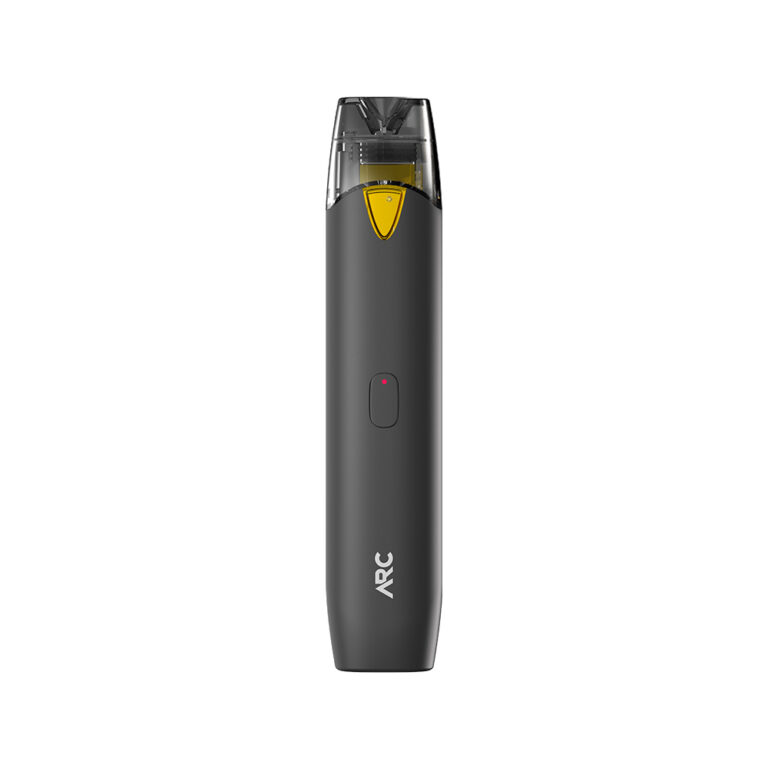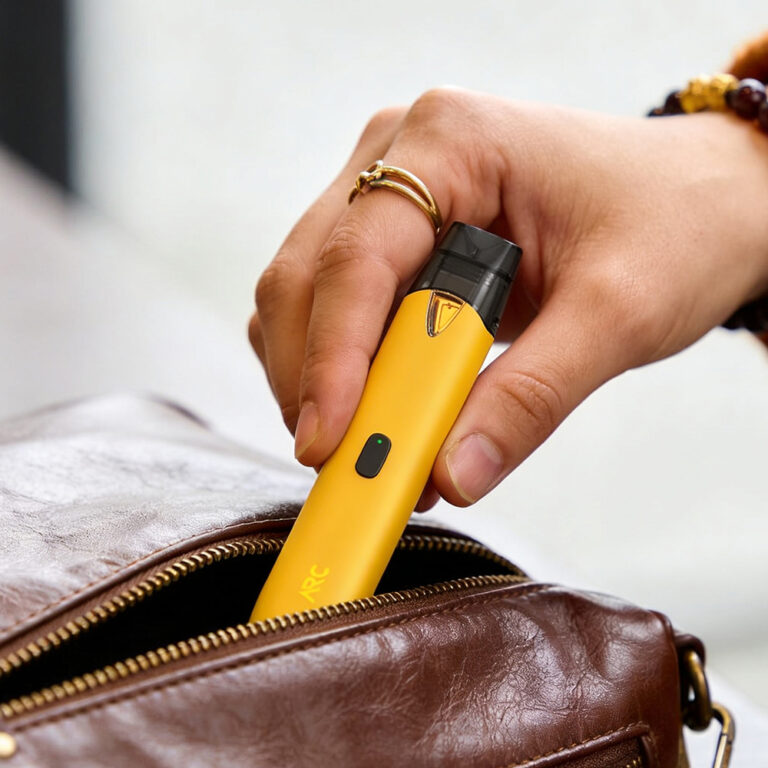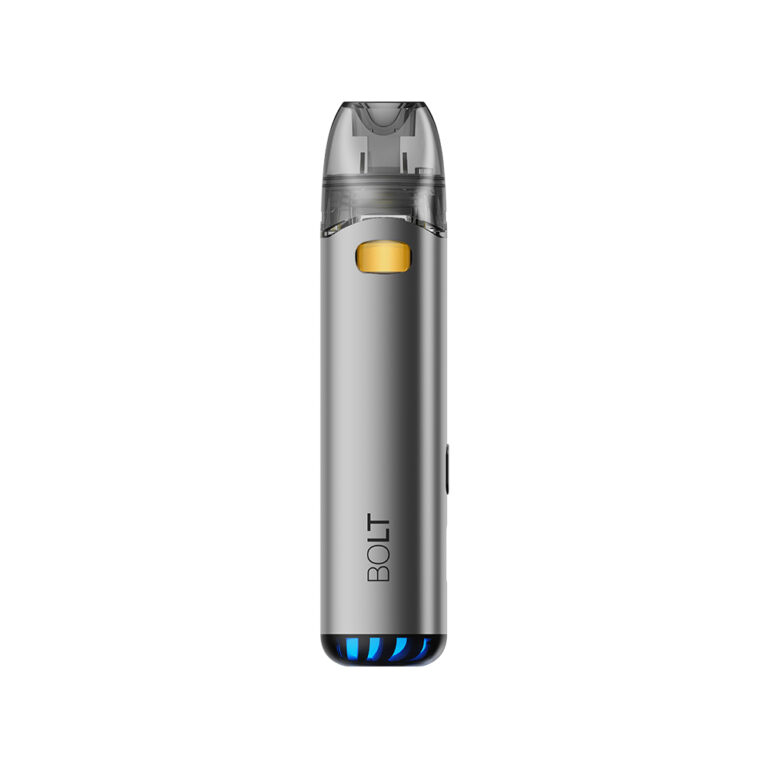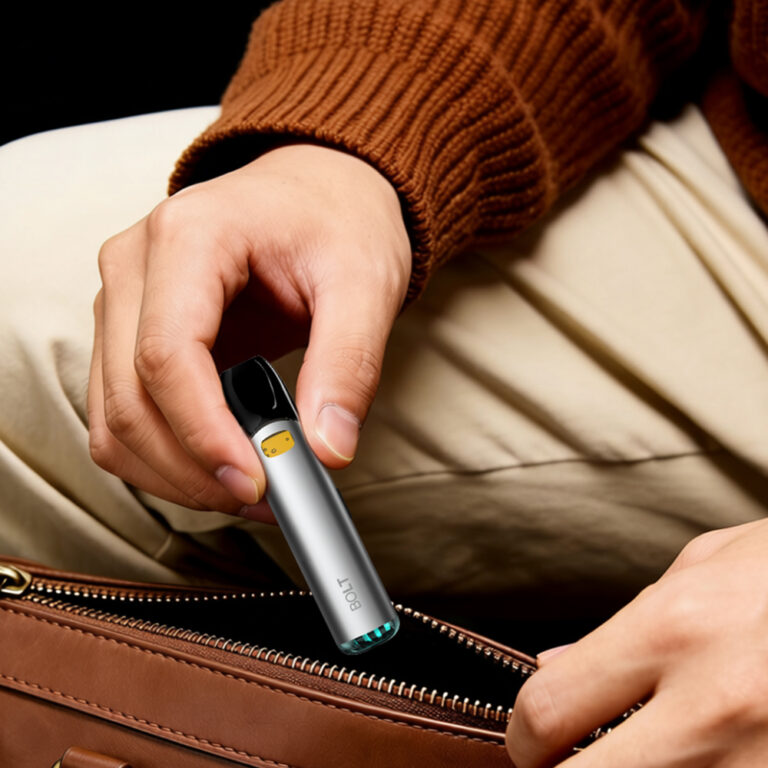
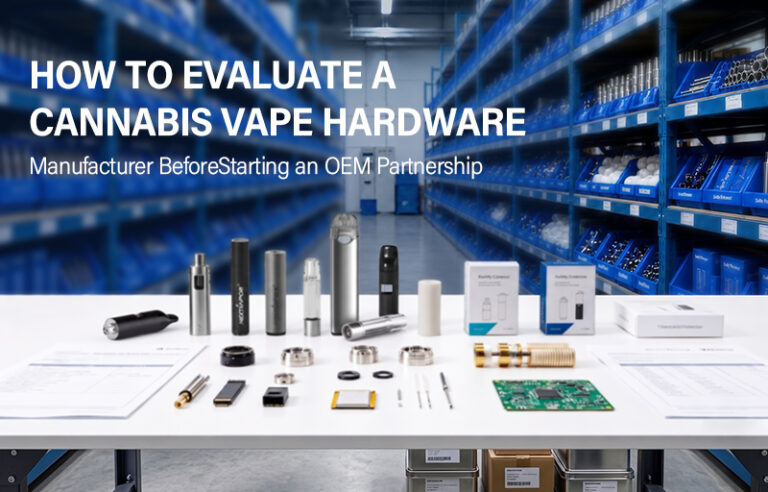
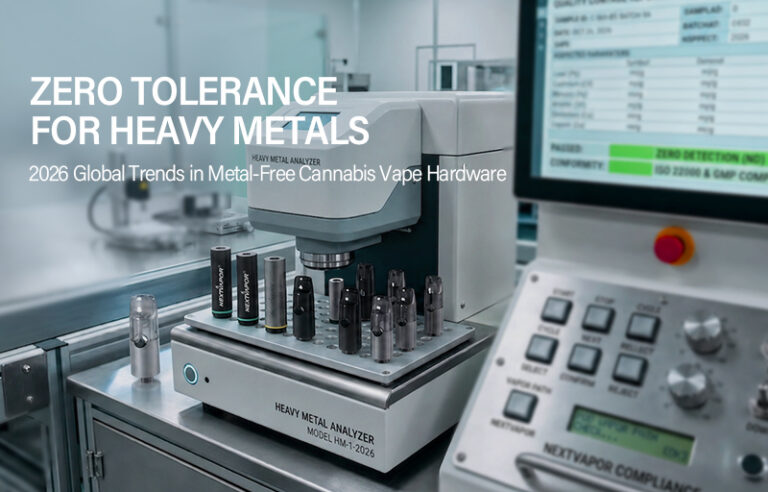
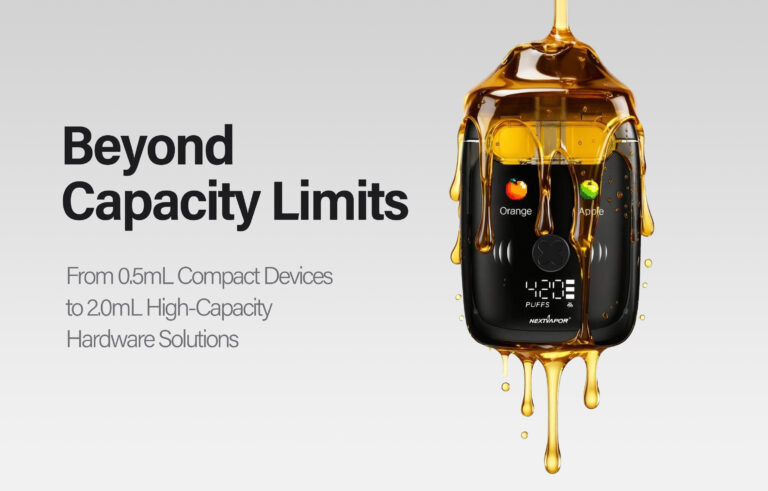
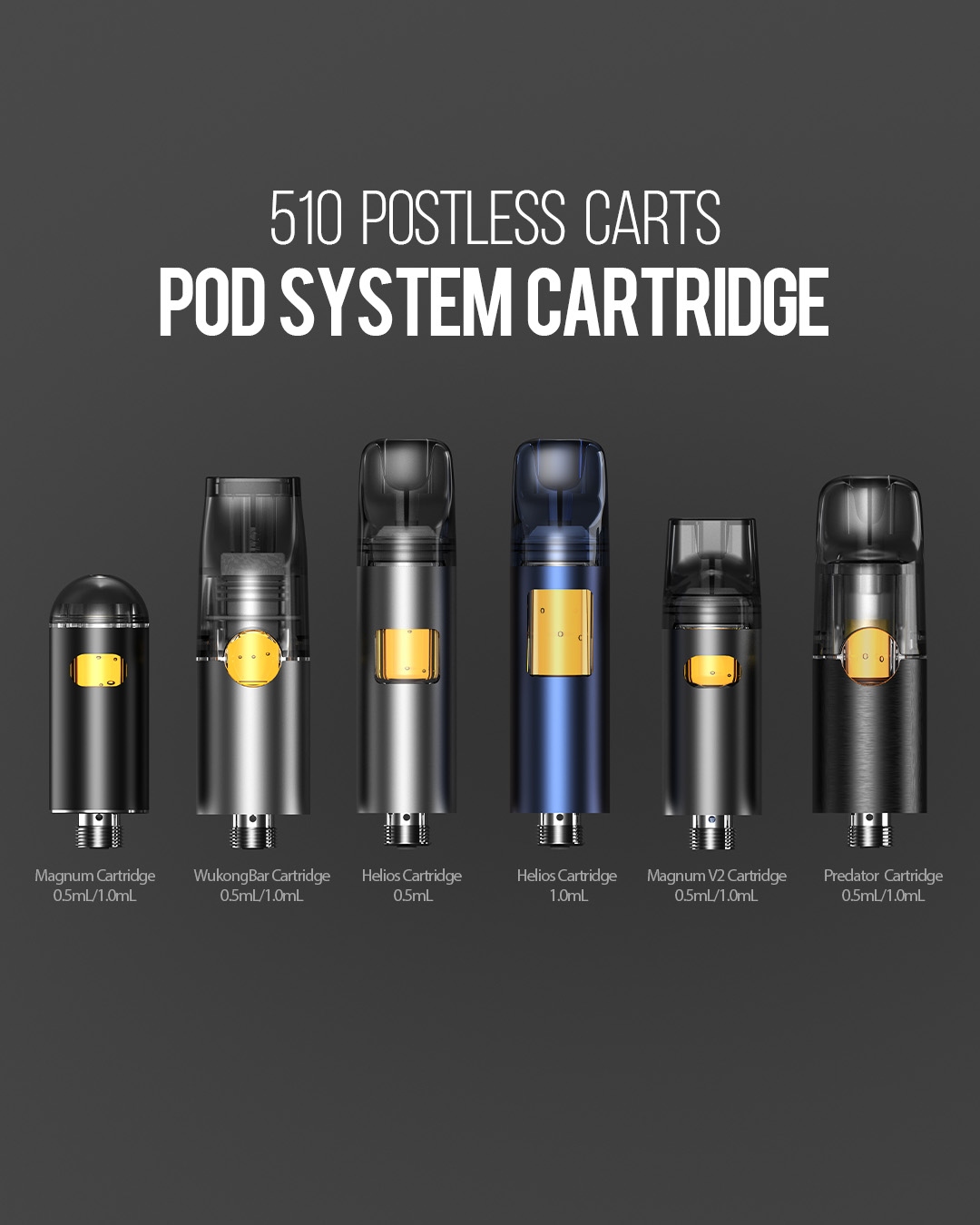
The cannabis vape market continues to introduce pod systems, all-in-one devices, postless tanks, and more specialized hardware. Even so, the 510 thread platform remains commercially relevant because it gives brands a familiar, modular format for pairing cartridges with separate batteries. That flexibility can simplify product development, replacement, merchandising, and portfolio expansion. It does not remove the need for careful engineering, however. Cartridge resistance, battery output, oil viscosity, heating structure, airflow, sealing, and compliance obligations must still be evaluated as one system before a brand commits to production.
Why does the 510 thread platform remain commercially attractive in 2026?
The strongest argument for 510 thread hardware is not novelty. It is the platform’s ability to separate the oil-containing cartridge from the reusable power unit, allowing brands to manage each component according to different product, inventory, and replacement requirements.
Why does modularity still matter to cannabis brands?
A modular format lets a brand develop several cartridge options without redesigning the complete electronic device for every oil or product tier. The same product family may include different tank capacities, ceramic heating configurations, mouthpiece styles, finishes, or packaging while retaining a compatible battery format.
Current 510 product portfolios also show that the platform is not limited to basic fixed-output hardware. Manufacturers offer buttonless activation, preheat functions, constant-voltage and variable-voltage batteries, and several cartridge capacities within the same general architecture. This gives buyers room to create entry-level and upgraded product lines without moving immediately to a proprietary pod system.
Where does the platform have practical limitations?
Thread compatibility does not mean full performance compatibility. Two components may connect mechanically while producing different results because of battery output, contact height, airflow location, cartridge resistance, or heating-core design. Cosmetic differences can also affect fit inside protective cases or retail packaging.
Brands should therefore avoid describing every 510 component as universally interchangeable. Compatibility needs to be verified with the exact battery, cartridge, oil formulation, filling process, and storage condition intended for commercial production.
How can 510 thread hardware reduce development and inventory risk?
Cannabis brands often need to launch several oil formulations or package sizes while keeping development schedules manageable. A modular hardware strategy can reduce the number of complete devices that must be developed, but only when the shared components are carefully controlled.
How does the platform support staged product development?
A brand can begin by qualifying one battery and one cartridge, then expand the range after collecting production and market feedback. Later projects may adjust tank capacity, mouthpiece shape, finish, branding, or heating characteristics without changing the entire device architecture.
This approach can be especially useful when a company wants to test distillate, live resin, live rosin, or other formulations separately. The manufacturer’s current product categories reflect this type of segmentation, with hardware organized by oil type, tank format, battery style, preheat function, and power control.
Can modular sourcing simplify inventory?
Separate batteries and cartridges allow procurement teams to forecast reusable and consumable components independently. A battery may remain in the product range while cartridge designs, oil capacities, or seasonal finishes change. This can reduce the need to replace an entire integrated device whenever the brand updates one part of the offer.
The trade-off is additional part-number control. Buyers must prevent batteries, cartridges, packaging inserts, and accessories from being mixed across incompatible revisions. Clear labeling, retained samples, approved bills of materials, and supplier change notifications are essential for repeat orders.
Which technical factors determine 510 cartridge performance?
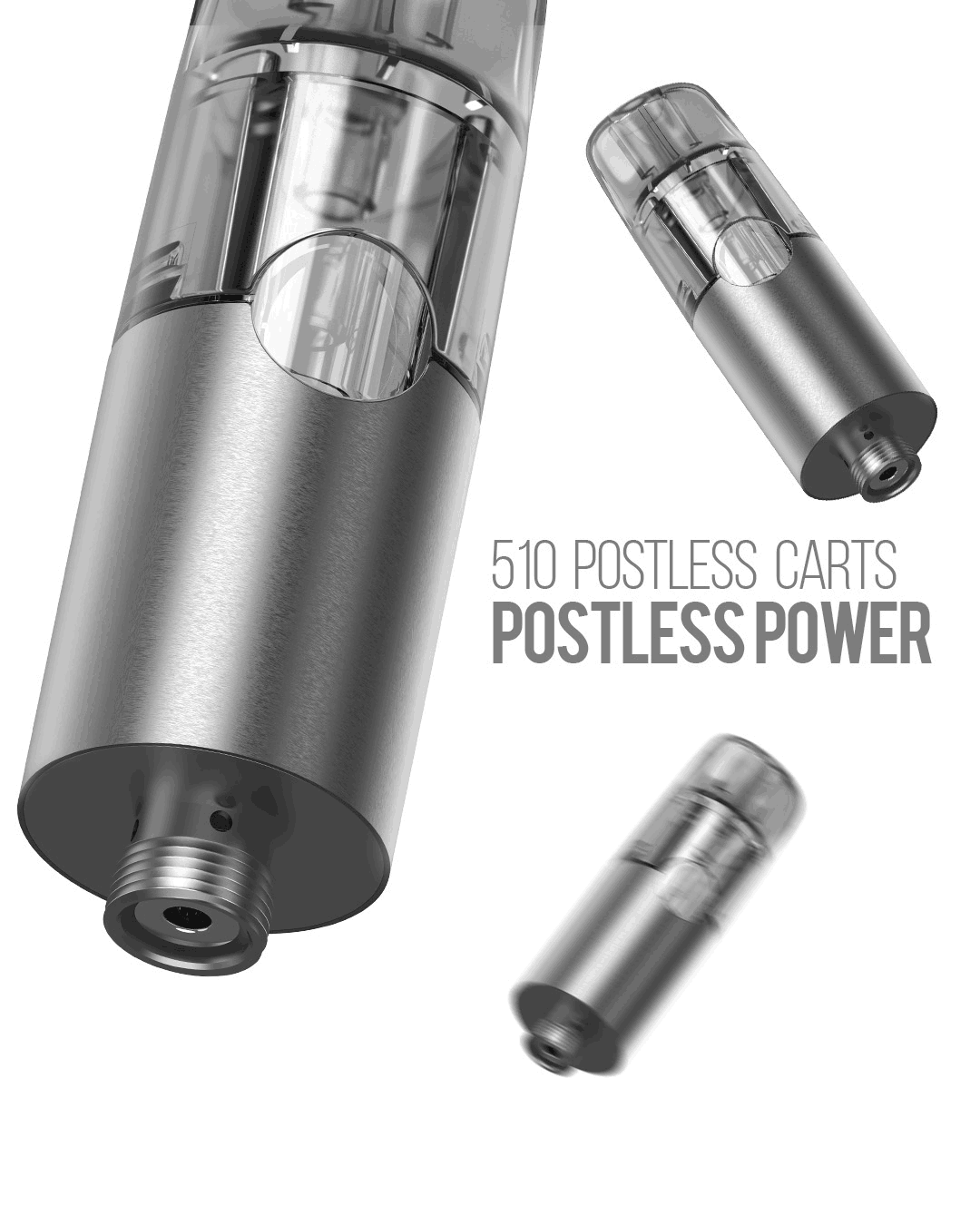
The thread is only the connection point. Actual performance depends on how the cartridge, heating element, oil, airflow path, seals, and battery behave together during filling, storage, transportation, and use.
How should oil and heating technology be matched?
Oil viscosity affects how quickly material reaches the heating core. A formulation that is too thick for the selected intake structure may produce slow saturation or inconsistent output, while a thinner formulation can place greater demands on sealing and inlet control. Temperature changes during storage and transportation can make these issues more visible.
Ceramic heating cores are used across many current cannabis vape hardware formats, but ceramic construction alone does not establish suitability. Buyers should compare pore structure, oil-intake design, resistance tolerance, heat distribution, and performance after extended storage. Product samples should be filled with the actual formulation rather than a substitute oil.
Why must battery output be validated with the cartridge?
A fixed-output battery may be suitable for a straightforward product, while variable power or preheat can help a brand address formulations that respond differently to temperature. More power is not automatically better. Excessive heat may alter flavor, stress seals, or consume oil faster, while insufficient power can produce weak or inconsistent operation.
Validation should cover startup behavior, repeated activation, remaining oil at low fill levels, cold storage recovery, contact reliability, and battery consistency. The approved operating range should be documented so that future battery or cartridge substitutions do not silently change performance.
What quality and compliance risks should cannabis brands control?
A 510 thread program should be managed as a finished-product system, even when the battery and cartridge are purchased separately. Failures often appear after filling or distribution rather than during an empty-hardware inspection.
Which hardware defects create the highest commercial risk?
Leakage, clogging, poor electrical contact, cracked tanks, loose mouthpieces, unstable resistance, and inconsistent airflow can lead to returns or packaging contamination. Some defects are caused by component variation; others result from filling temperature, capping force, storage orientation, or insufficient settling time.
A useful quality plan should cover incoming components, filling and capping parameters, in-process checks, finished-product inspection, storage, and corrective action. California’s cannabis manufacturing guidance requires product quality plans to assess risks from component intake through product transfer, including preventive controls and monitoring methods for vape cartridges and integrated vaporizers.
Why must compliance be checked market by market?
Cannabis vape requirements vary by jurisdiction and can affect testing, labeling, packaging, advertising, and disposal language. California currently requires specific disposal messaging for cannabis cartridges and integrated vaporizers and restricts packaging language that suggests these products belong in ordinary trash or recycling streams.
Oregon also requires regulated marijuana items and industrial hemp-derived vapor items to follow applicable sampling and testing rules through accredited and licensed laboratories. A hardware supplier can provide component documentation, but the licensed cannabis business remains responsible for confirming finished-product obligations in each target market.
How should buyers evaluate a 510 thread hardware supplier?
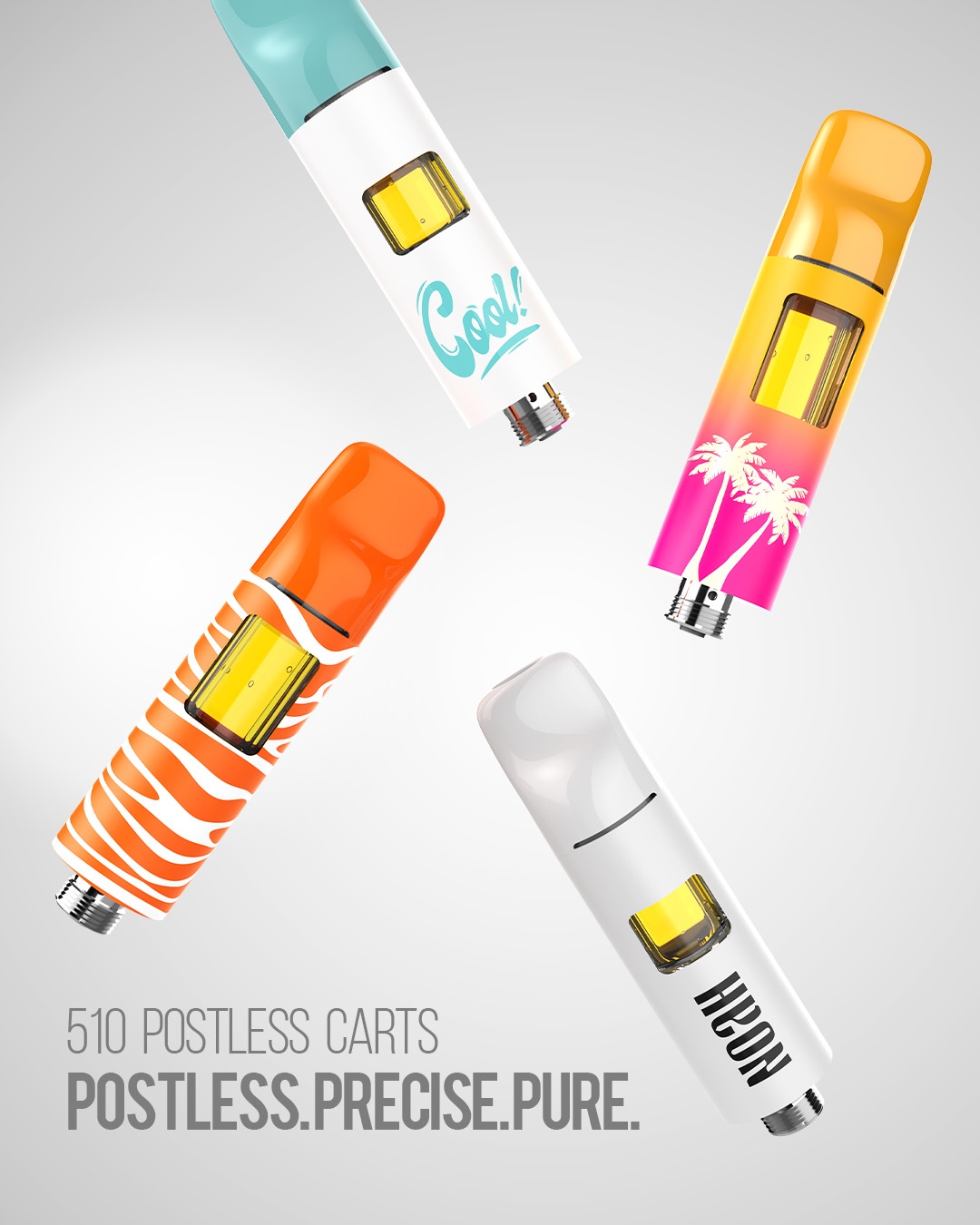
Supplier evaluation should focus on repeatable manufacturing and technical cooperation, not only catalog variety. The supplier should be able to discuss oil type, cartridge capacity, resistance, battery output, filling conditions, capping method, storage, and packaging as connected variables.
What should a sample qualification include?
Buyers should test more than appearance and initial activation. A practical qualification program includes dimensional fit, thread engagement, contact reliability, fill accuracy, capping consistency, leakage observation, airflow, resistance, battery output, cold and warm storage, transportation simulation, and performance near the end of the cartridge.
Samples should come from production-representative tooling and processes. When possible, the buyer should review more than one lot because a single successful sample set does not demonstrate batch consistency.
Which supplier controls matter after approval?
The manufacturer should provide drawings, material information, operating specifications, packaging requirements, lot identification, inspection criteria, and clear procedures for engineering changes. Buyers should ask which components are manufactured internally, which are sourced, and how incoming materials are controlled.
Commercial details also affect risk. Minimum order quantity, lead time, decoration methods, automated filling compatibility, replacement handling, and retained-sample policies should be confirmed before launch. A supplier that communicates limitations clearly is often more useful than one that treats every oil and battery combination as equivalent.
How can a specialized manufacturer support 510 thread projects?
Nextvapor manufactures cannabis vape hardware for brands developing 510 cartridges, batteries, pod systems, and all-in-one devices. Its support can cover oil compatibility, tank capacity, heating structure, battery output, preheat settings, filling, capping, customization, and packaging. Buyers can use sample development to compare configurations and identify fit, leakage, airflow, or power-matching issues before production. Providing oil viscosity, target market, order quantity, storage conditions, and filling equipment early helps narrow the suitable design. The process may also include packaging artwork review, production scheduling, and communication about inspection standards. Before placing a volume order, brands should confirm representative samples, technical specifications, quality-control procedures, compliance responsibilities, delivery terms, and change-notification requirements.
Conclusion
The 510 thread platform remains a preferred option for many cannabis brands in 2026 because it combines modularity, broad design flexibility, and manageable product-line expansion. Its value depends on disciplined matching between the cartridge, battery, oil, heating core, airflow, and filling process. Brands should not treat mechanical connection as proof of performance compatibility. Careful sample validation, market-specific compliance review, supplier controls, and documented specifications are necessary for a reliable commercial launch.
FAQs
1. Is every 510 thread cartridge compatible with every 510 battery?
No. Components may connect mechanically but differ in resistance, contact position, airflow, voltage requirements, or physical dimensions. Buyers should validate the exact cartridge-and-battery combination before production.
2. Why do cannabis brands still choose 510 cartridges over pod systems?
The 510 format supports separate batteries and cartridges, which can simplify replacements, product extensions, and inventory planning. Pod systems may offer stronger differentiation but usually create a more proprietary ecosystem.
3. What oil information should a hardware supplier receive?
Provide oil type, viscosity range, cannabinoid and terpene formulation characteristics, filling temperature, target capacity, storage conditions, and expected power range so the supplier can recommend suitable intake and heating structures.
4. Which tests should be completed before ordering 510 hardware in bulk?
Buyers should check dimensions, resistance, electrical contact, airflow, leakage, capping, storage behavior, battery matching, packaging compatibility, and performance using the actual formulation across production-representative samples.
5. Can one 510 battery support several cartridge products?
It may support several cartridges when resistance, contact geometry, airflow, and power requirements remain compatible. Each cartridge version should still be tested and approved with the selected battery.