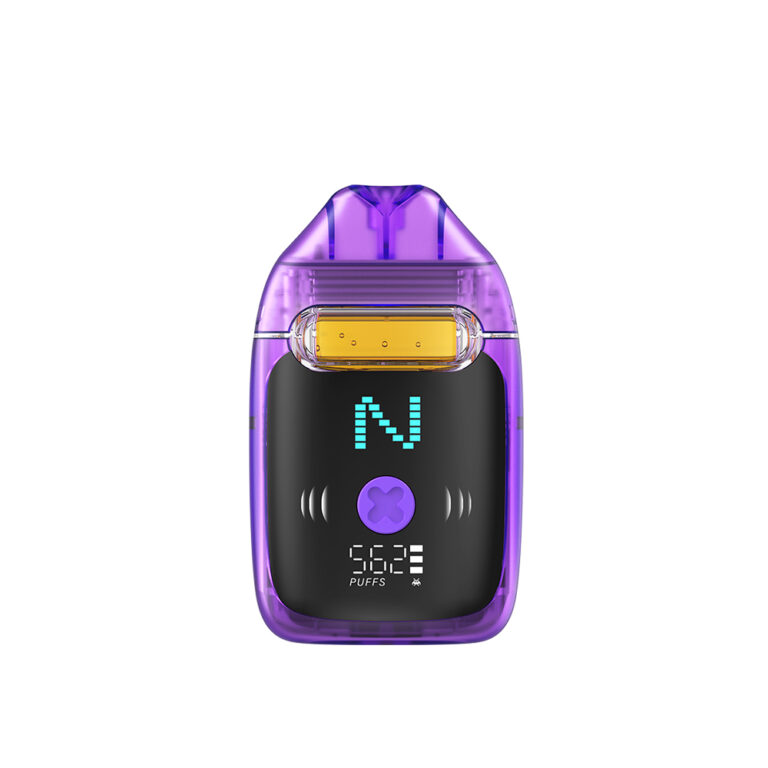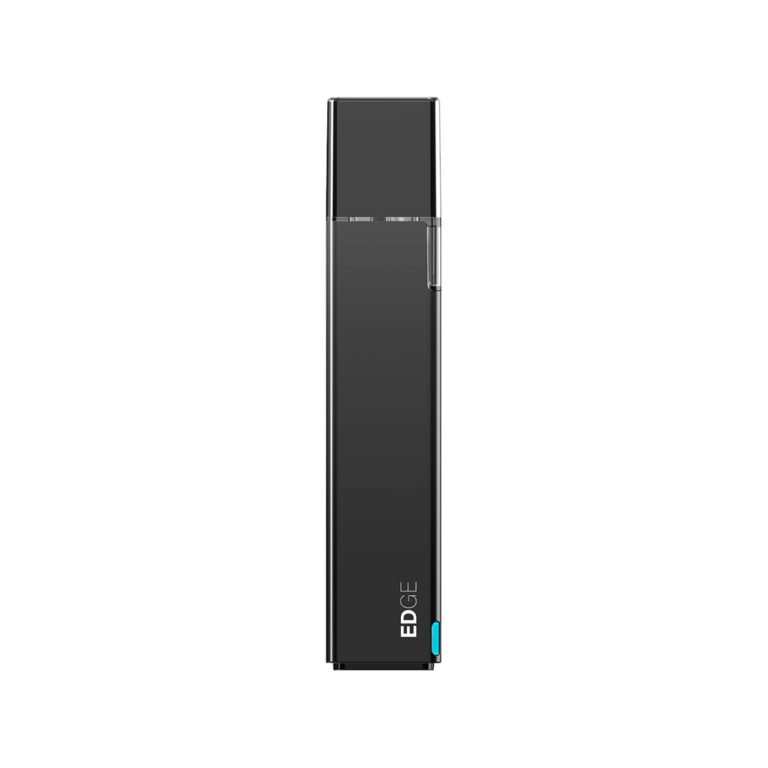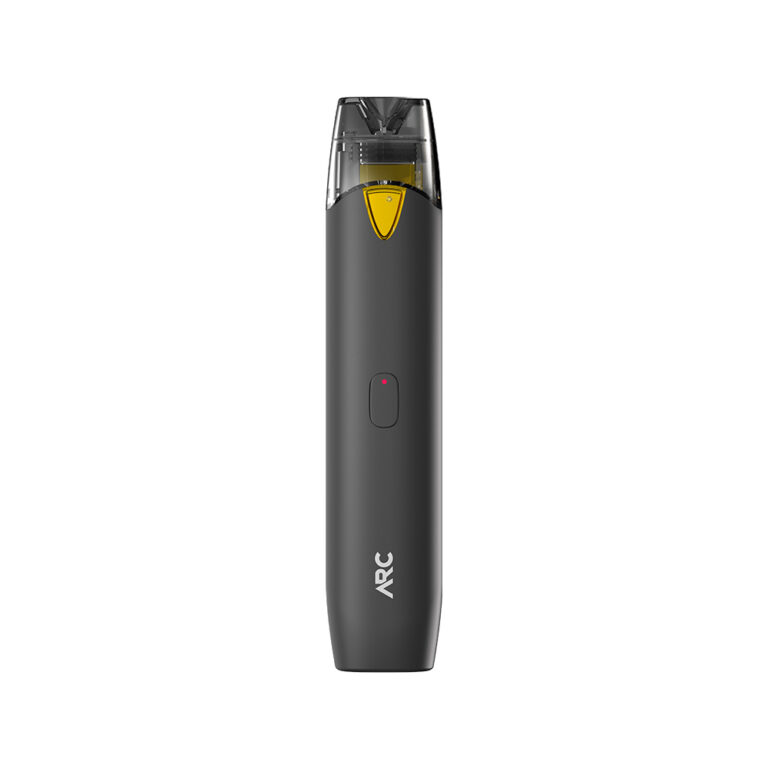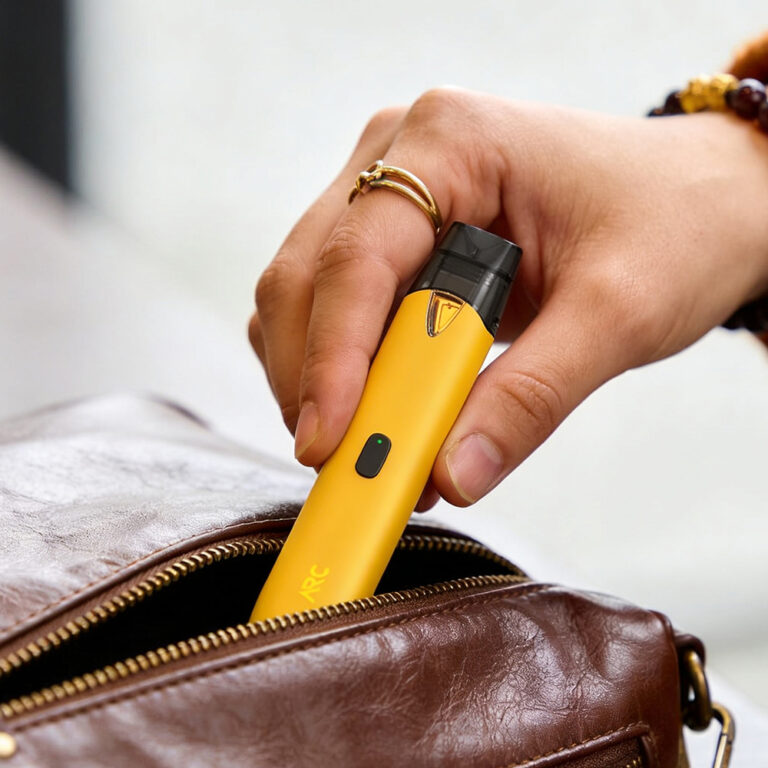

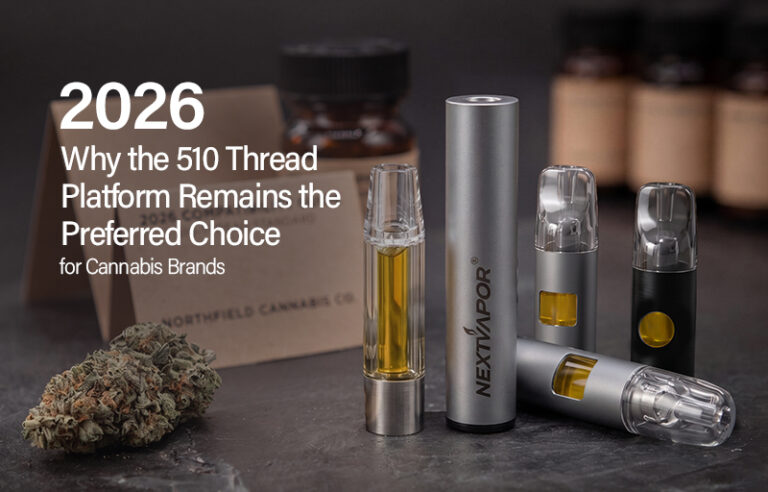

Moving from a 0.5ml cartridge to 2.0ml cannabis vape hardware is not a simple capacity upgrade. The larger reservoir changes liquid pressure, air exchange, heat exposure, wick demand, balance, and the number of cycles each component must survive. A short-use cartridge may perform acceptably yet leak, clog, darken the oil, or lose output consistency when the same architecture carries four times the fill. Reliable development starts by treating the 2.0ml format as a new system rather than an enlarged smaller device.
Why Can’t a 0.5ml Cartridge Simply Be Enlarged to 2.0ml?
The visible change is tank volume, but the more important changes involve fluid behavior and service duration. A taller oil column raises pressure near the intake, while changing headspace affects how replacement air enters as liquid is consumed.
How Does the Larger Reservoir Change Pressure and Leakage Risk?
Oil must move toward the heating element while the tank admits air. If venting is too restricted, negative pressure can starve the wick. If it is too open, oil may flood the coil chamber or enter the airway.
A 2.0ml device may spend days on its side or move repeatedly between warm and cool environments. Seal compression, intake height, tank geometry, and headspace must therefore be evaluated beyond an upright post-fill check.
Why Does the Longer Use Period Expose Hidden Weaknesses?
A 0.5ml unit may be consumed before gradual residue buildup becomes serious. A 2.0ml unit must tolerate more heating and cooling cycles, repeated pressure changes, and longer contact between extract and internal materials.
Condensate can narrow the airway, oil can thicken near the mouthpiece, and local viscosity may change around the coil. Performance has to remain stable from the first activation to the final usable portion.
How Should the Oil Path and Heating System Be Redesigned?
The intake, ceramic element, center airway, and power source must operate as a matched fluid-and-thermal system. Enlarging only the reservoir leaves the original heating zone responsible for a much longer duty cycle.
What Controls Oil Delivery to the Coil?
Port size, port position, ceramic porosity, wick structure, and oil viscosity determine replenishment. Too little feed produces dry heating; too much causes flooding, gurgling, or leakage into the center tube.
Testing should use the intended extract category and viscosity range. Formulations with different terpene content or crystallization behavior may feed differently. A thin reference liquid cannot represent every commercial formulation.
How Should Resistance, Power, and Battery Capacity Be Matched?
Coil resistance and applied power determine heat-up speed and operating temperature. More power may increase output, but it can also overheat the oil, stress seals, and create more condensate.
A 2.0ml disposable may need greater battery capacity or more efficient control than a 0.5ml design. Rechargeable hardware also requires review of charging current, cell protection, port durability, and low-voltage behavior. Output should remain consistent across the full fill, not only with a fresh battery.
Which Structural Materials and Dimensions Become More Critical at 2.0ml?
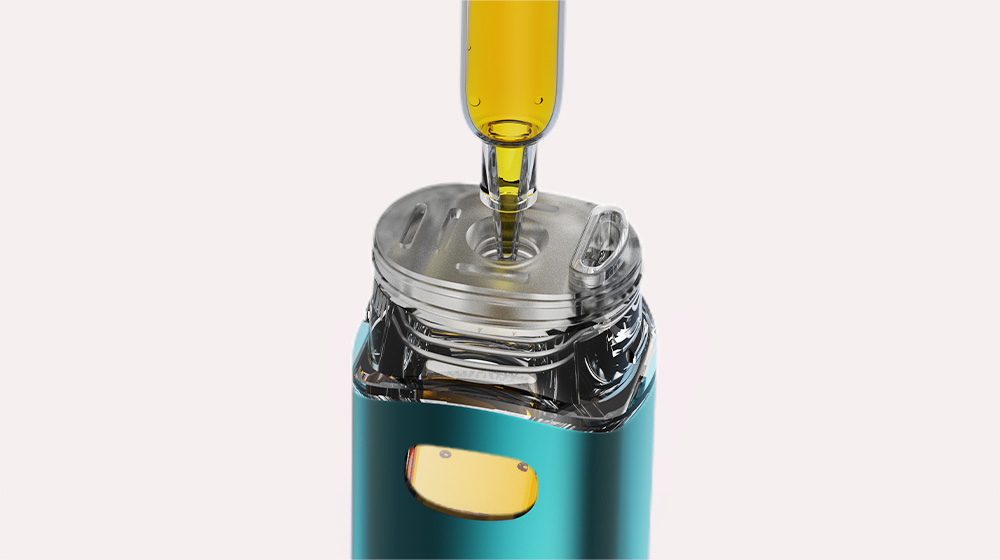
Larger hardware carries more liquid mass and often has a longer body. That increases leverage on joints, center posts, mouthpieces, and press-fit connections during transport and handling.
How Should the Tank, Center Post, and Mouthpiece Be Evaluated?
Wall thickness, internal diameter, and joint design affect strength and usable volume. A long center post must remain concentric so the airway does not narrow or contact the heating assembly. Press fits need enough retention without cracking the tank or deforming seals.
The mouthpiece should manage condensation and resist loosening after repeated heating. Internal ledges and abrupt airway changes can collect residue. Draw resistance should be checked before and after extended use.
Why Is Material Compatibility More Than a Compliance Checkbox?
Extracts may contact plastics, metals, ceramics, adhesives, and elastomers for an extended period. Swelling, softening, stress cracking, discoloration, odor transfer, or seal relaxation may appear only after storage.
Review must cover the final oil, temperature range, contact time, and orientation. Coatings and metal finishes also need consistency because a visually identical substitution can change corrosion behavior, wettability, or extract interaction.
What Failure Modes Should Validation Catch Before Production?
A useful test plan follows the hardware through filling, storage, transport, repeated activation, and near-empty operation. Passing one bench test immediately after assembly is insufficient.
Which Leakage and Clogging Tests Are Most Revealing?
Store filled units upright, inverted, and on their sides at relevant temperatures. Include thermal cycling and transport simulation where required. Inspect the mouthpiece, center airway, base, charging port, and tank joints for seepage.
Clogging tests should include pauses between uses, cool storage, repeated heating, and restart behavior. Record draw resistance, activation response, and condensation. A device that clears only after aggressive suction is not operating consistently.
How Should Output Consistency and Thermal Behavior Be Checked?
Compare early-, middle-, and late-life operation. Monitor activation, power delivery, housing temperature, coil response, residue formation, and remaining oil around the intake ports.
The unit should not leave a large unusable volume because the ports sit too high or the oil no longer reaches the ceramic. Burnt output, rapid battery decline, or excessive heat indicates an imbalance between fluid delivery and power.
How Should Buyers Qualify a 2.0ml Cannabis Vape Hardware Supplier?

Supplier qualification should focus on engineering control and production repeatability. A polished sample has limited value if the factory cannot hold dimensions, ceramic properties, resistance, sealing force, and assembly conditions across batches.
What Should Be Included in the Sample and Pilot Plan?
Provide the oil category, viscosity range, fill volume, activation type, resistance, battery format, draw target, packaging, storage conditions, and destination requirements. Samples should use production-intent materials and assembly methods.
Pilot review should cover units from different production stages. Check fill accuracy, resistance, airflow, sealing, charging where applicable, activation, appearance, and extended-use performance. Retained filled and unfilled references support later comparison.
Which Production Controls Reduce Repeat-Order Risk?
The approved file should identify the tank, ceramic element, coil, center post, seals, battery, PCB, mouthpiece, adhesives, and packaging. Critical dimensions and electrical limits need measurable tolerances.
Incoming, in-process, and final inspections should be documented. Changes to ceramic porosity, resistance wire, seal compound, battery cell, tank resin, metal finish, or assembly pressure should require review. Lot traceability helps isolate field complaints.
How Can a Cannabis Vape Hardware Manufacturer Support 2.0ml Development?
Nextvapor manufactures cannabis vape hardware for brands developing cartridge, disposable, and rechargeable formats. A 2.0ml project brief should state oil type, viscosity range, fill volume, activation method, resistance, battery requirement, airflow target, mouthpiece style, materials, packaging, and order quantity. Samples should be reviewed for filling behavior, leakage, clogging, draw resistance, output consistency, battery performance, condensation, and remaining oil near end of life. Quotations should identify the approved component set, tooling, inspection items, lead time, and change-control terms. Before production, both parties should approve drawings, physical samples, electrical limits, assembly conditions, packaging, labeling, and acceptance criteria for repeat orders and receiving inspection.
Conclusion
Reliable 2.0ml cannabis vape hardware cannot be created by enlarging a 0.5ml tank while leaving the rest of the system unchanged. The larger format increases pressure, storage time, heat cycles, oil-path demand, battery requirements, and mechanical stress. Development should balance venting, wicking, ceramic behavior, power, sealing, materials, and structural dimensions as one design. Extended filled testing and controlled production specifications are necessary to prevent leakage, clogging, overheating, and inconsistent end-of-life performance.
FAQs
1. Why Does 2.0ml Cannabis Vape Hardware Leak More Easily Than 0.5ml Hardware?
The larger oil column, longer storage period, wider temperature exposure, and more demanding pressure balance can reveal weak venting, seal compression, joint tolerances, or intake design.
2. Can the Same Ceramic Coil Be Used in Both 0.5ml and 2.0ml Devices?
Possibly, but it must be validated for the longer duty cycle, intended oil viscosity, port geometry, resistance, power level, residue buildup, and performance near the end of the fill.
3. What Causes Clogging in a 2.0ml Vape Device?
Common causes include condensation, cooled oil in the airway, residue near the coil, restricted venting, excessive flooding, unsuitable airway geometry, and long pauses between uses.
4. How Should 2.0ml Cannabis Vape Hardware Be Tested Before Approval?
Test filled units in multiple orientations and temperatures, then evaluate leakage, clogging, draw resistance, activation, output consistency, battery behavior, condensation, and remaining usable oil through extended cycling.
5. What Specifications Should Buyers Control in Repeat Orders?
Control ceramic properties, coil resistance, intake dimensions, tank material, seals, center post, battery, PCB, airflow, assembly force, packaging, inspection limits, and notification of component changes.