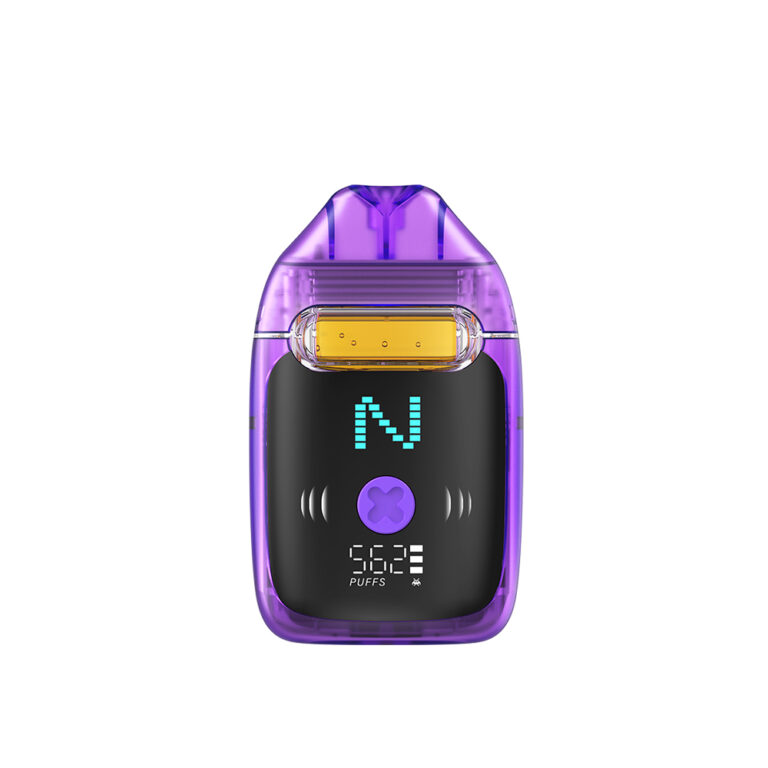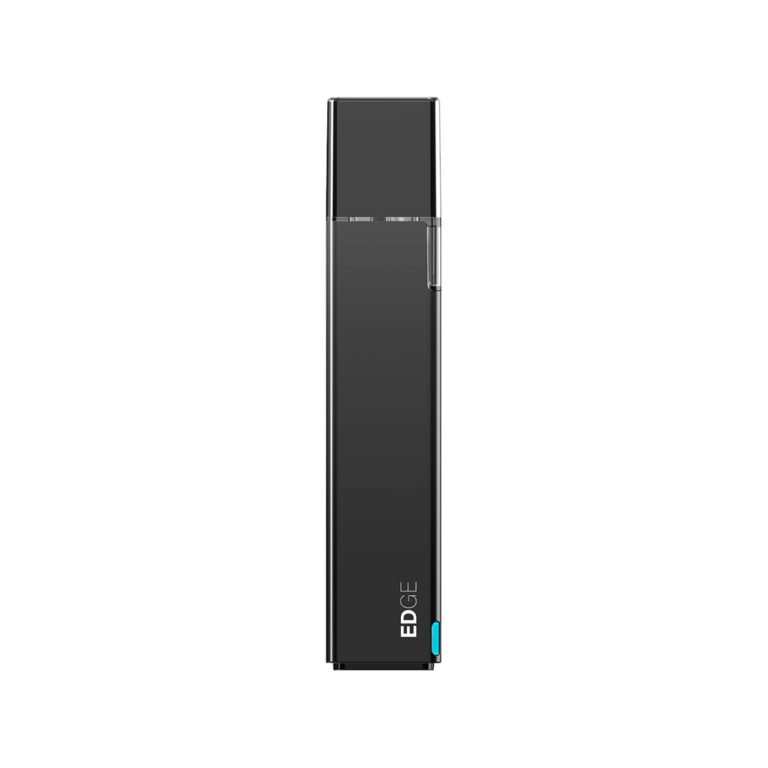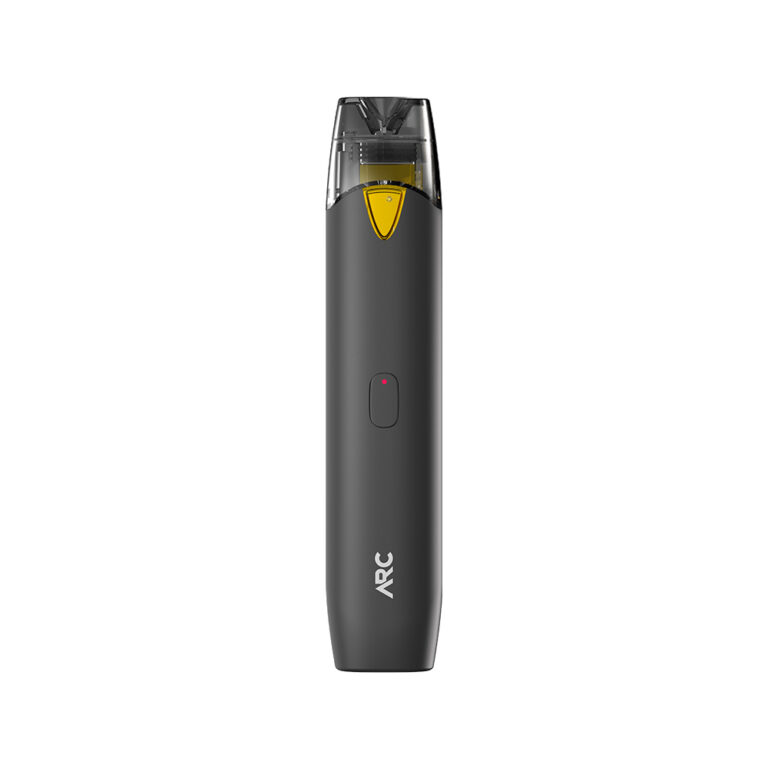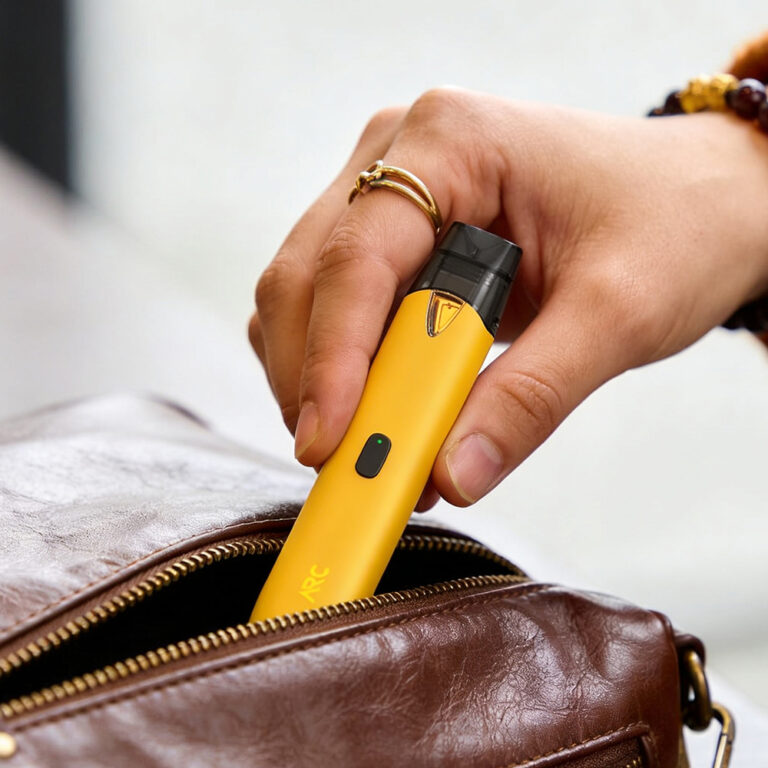


Leakage issues have an impact on users, return rates, and the relationship with suppliers for vape hardware companies and product developers. The leak-proof design does not come from a single element but through the interrelationship between seal elements, materials, connectors, air flow structure, manufacturing precision, and assembly management. It is essential to assess the design, testing, and manufacturing process before choosing the right hardware supplier.
Why does leak prevention design matter in vape hardware development?
Leakage is one of the common technical concerns during cartridge and pod hardware development. Preventing it requires attention from the early design stage rather than relying only on final inspection.
How can poor hardware design lead to leakage issues?
A vape device contains multiple connected parts, and each connection point can influence sealing performance.
Common causes of leakage may include:
- Incorrect sealing structure;
- Poor component matching;
- Material incompatibility;
- Inconsistent assembly;
- Insufficient dimensional control.
For instance, a seal may seem to be appropriate after the initial test, but any change in the temperature or storage period might expose the issues with the improper matching of materials and structure.
The design of a good sealing system takes into account how each component will interact rather than considering the gasket or O-ring as an individual part.
Why should leakage prevention be considered during product design?
Fixing leakage problems after mass production can be more difficult and expensive than addressing them during development.
Experienced buyers usually review:
- Product structure;
- Component tolerance;
- Material selection;
- Assembly process;
- Testing methods.
Early evaluation can help identify possible failure points before production quantities increase.
Which hardware components influence leak prevention performance?
A vape hardware system depends on several components working together. Each part can affect sealing reliability.
What is the impact of O-rings and gaskets on the efficiency of seals?
O-rings and gaskets are often employed for providing a seal between connecting parts. The efficiency of these elements is influenced by their material, compression ratio, size precision, and operating conditions.
When selecting sealing components, manufacturers usually consider:
- Material compatibility with the intended liquid;
- Resistance to temperature changes;
- Compression characteristics;
- Long-term stability.
An O-ring that is too loose may not provide enough sealing force, while excessive compression may create deformation or assembly difficulties.
The correct sealing solution depends on the complete hardware structure.
How does material compatibility affect leakage failure analysis?
Leak prevention depends not only on physical structure but also on whether materials work well together.
Why should manufacturers evaluate material compatibility?
Different materials may react differently when exposed to vape liquids, temperature changes, or long-term storage conditions.
Material selection may involve:
- Seal materials;
- Plastic components;
- Metal parts;
- Adhesive materials if applicable.
A component that performs well in one application may not provide the same results when combined with different materials or formulations.
For this reason, buyers should discuss material compatibility with hardware suppliers during product development.
What role does dimensional tolerance play in reducing failures?
Small differences in component dimensions can influence assembly and sealing performance.
Dimensional tolerance affects:
- Component fitting;
- Seal compression;
- Connection stability;
- Production consistency.
A design that works in a single prototype may require additional evaluation before moving into larger production. Manufacturing consistency is important because each assembled unit needs to maintain similar structural conditions.
How can manufacturers test vape hardware for leakage risks?
Testing methods help identify possible issues before products reach the market.
What types of checks can support leakage evaluation?
Depending on the product design and development stage, manufacturers may perform checks related to:
- Seal performance;
- Assembly consistency;
- Connection stability;
- Liquid retention;
- Pressure conditions.
The exact testing process depends on the hardware structure and customer requirements.
A practical testing plan should match the actual failure risks of the product rather than applying unnecessary procedures.
Why is assembly consistency important for reducing warranty claims?
A well-designed product can still experience problems if assembly conditions vary between units.
Manufacturers should control factors such as:
- Component placement;
- Assembly pressure;
- Part matching;
- Inspection procedures.
Consistent assembly helps maintain similar performance across production batches and may reduce after-sales issues caused by manufacturing variation.
What should buyers check when selecting a vape hardware supplier?
Supplier selection affects product reliability, customization ability, and production communication.
Which capabilities indicate a suitable hardware supplier?
Before cooperation, buyers usually review:
- Product development experience;
- Engineering communication;
- Custom design support;
- Prototype process;
- Quality inspection;
- Production management.
A supplier involved early in the design process may help identify possible structural risks before production begins.
How can OEM hardware buyers reduce development risks?
A practical OEM development process may include:
- Confirming product requirements;
- Reviewing design structure;
- Testing prototypes;
- Confirming materials and components;
- Approving samples;
- Starting production.
Clear communication during each stage helps reduce changes after production has started.
How can product reliability testing support long-term hardware performance?
Testing is part of the development process, but it should be connected with real product requirements.
What should brands consider before finalizing hardware designs?
Brands should review:
- Intended product usage;
- Storage conditions;
- Component compatibility;
- Assembly requirements;
- Quality inspection standards.
Different hardware designs may face different technical challenges. A solution suitable for one product structure may not directly apply to another.
Why is leakage failure analysis useful after testing?
When leakage occurs, identifying the reason is more valuable than simply replacing affected parts.
Failure analysis may examine:
- Seal damage;
- Material issues;
- Assembly problems;
- Design limitations;
- Component mismatch.
Understanding the failure source helps manufacturers make targeted improvements.
How can Nextvapor support vape hardware development projects?
Nextvapor is a cannabis vape hardware manufacturer providing hardware development and manufacturing support for customers working on vape device projects. The company supports product customization, hardware design communication, component coordination, and production-related requirements. Cooperation for brands and procurement departments could imply consultations regarding issues such as structure design, sealing system, material usage, testing requirements, and manufacturing. However, buyers are still supposed to consider documents, specifications, price, delivery terms, and services prior to choosing a hardware provider.
Conclusion
Leak prevention design is an important consideration when developing reliable vape hardware products. Sealing components, material compatibility, dimensional control, connector design, and assembly consistency all influence leakage risks. Buyers should evaluate hardware suppliers based on technical communication, testing processes, customization ability, and production control. Addressing possible failure points during design may help reduce after-sales issues. A suitable hardware solution depends on the product structure, application requirements, and manufacturing process.
FAQs
1. What is leak prevention design in vape hardware?
Leak prevention design refers to the structural and manufacturing approaches used to reduce liquid leakage risks through sealing systems, component matching, and production control.
2. How do O-rings help prevent leaks in vape hardware?
O-rings create sealing contact between components. Their effectiveness depends on material selection, size accuracy, compression, and compatibility with the hardware structure.
3. What causes leakage failures in vape cartridges or pods?
Possible causes include sealing problems, material incompatibility, dimensional differences, assembly variation, or unsuitable component design.
4. How can brands choose a reliable vape hardware supplier?
Brands should review supplier experience, engineering support, prototype capability, testing methods, customization options, and production quality processes.
5. Why is pressure testing important for vape hardware?
Pressure-related testing can help evaluate sealing performance and identify potential structural weaknesses during product development.