
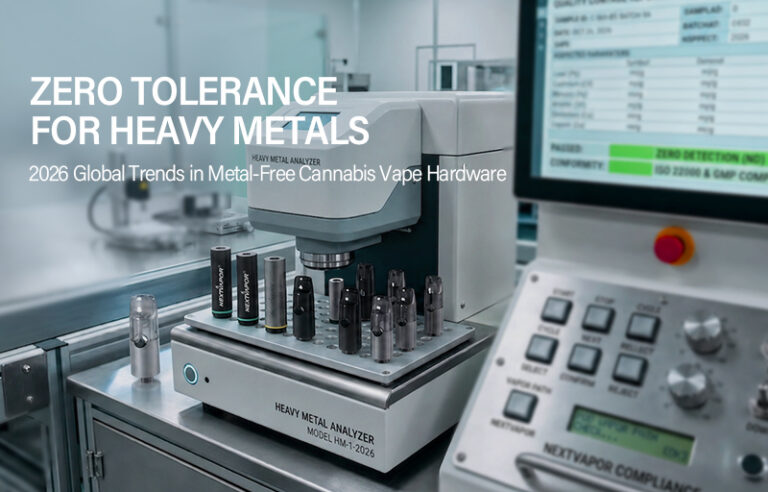


Whether you are a Licensed Cannabis Brand, Extract Processor or Vape Hardware Buyer flavor preservation of cannabis oil is more than just the formulation of the oil. The Cartridge Body, Heating Core, Oil Path, Airflow, Wick, Chamber Material and Temperature Stability all affect the delivery of the Terpenes and Cannabinoids to the user. High end extracts such as live resins, rosin and distillates can go to waste tasting burnt, dull, soapy or unstable. Flavor preserving in vape design must take a holistic approach and treat the complete hardware as a system and not just the Terpenes in the oil.
Why does flavor matter in cannabis vaping?
Flavor is a signal for product quality for B2B buyers. The flavor of a product affects factors such as repeat business, complaint rates, formulation matching and positioning of brands on the market place.
How do terpenes and cannabinoids shape flavor?
Volatile aroma compounds in cannabis extracts include terpenes which give extracts a citrus, pine, floral, herbal, earthy or spicy smell. The cannabinoids in cannabis extracts determine their profile and how they vaporize. In a recent 2023 publication on cannabis vaporization the authors described cannabinoids and terpenes as the active components that are delivered by vapor formation from heated devices.
This means that the cartridge design has to protect sensitive compounds for example for heat, oxygen or contact with materials.
Why do heat and oxidation matter?
Heat is required to vaporize cannabinoids but in excess it can change the perceived effects. A study into the degradation of cannabinoids was published in 2022 reporting how temperature can affect the major cannabinoids as well as their breakdown products under test conditions.
When we talk about flavor for cannabis vape products, it can often be considered a hardware performance feature. Even the best formulation needs to be heated, drawn through with clean air, and stored in the proper chamber material in order to deliver optimal flavor.
What causes flavor loss in cannabis vapes?
So where does flavor loss begin? Follow the path from oil storage, through heating, to vapor delivery through your device.
Which hardware problems reduce flavor quality?
There are several causes of uneven heating including excessive temperature, metal contamination risk, inconsistent heating, insufficient oil flow, burned or deteriorating coil, dry wick, loose or weak seals, and obstructed airflow. Most of these issues are hardware related and are affected by the type of heating element, the design of the coil, the chamber, the oil inlet, and the vapor path.
Live resin cartridge with high terpene content: You may taste strong flavor at first and later experience harsher and flatter taste as the lack of oil being pushed by heating becomes more pronounced.
How does poor oil flow create off-notes?
Thicker extracts require more room for the liquid to flow into the chamber as well as more wick surface and a balanced chamber. If the oil does not reach the part of the heating element where it’s being vaporized evenly then the element will run dry at some point. This can cause burnt flavors, the buildup of residue and poor vapor quality.
Test your cartridge with the actual oil you intend to fill with, rather than a generic reference liquid. Live Resin, Rosin, Distillate, as well as extremely high Terpene content products may call for specific hardware configurations.
How does vape hardware affect flavor preservation?
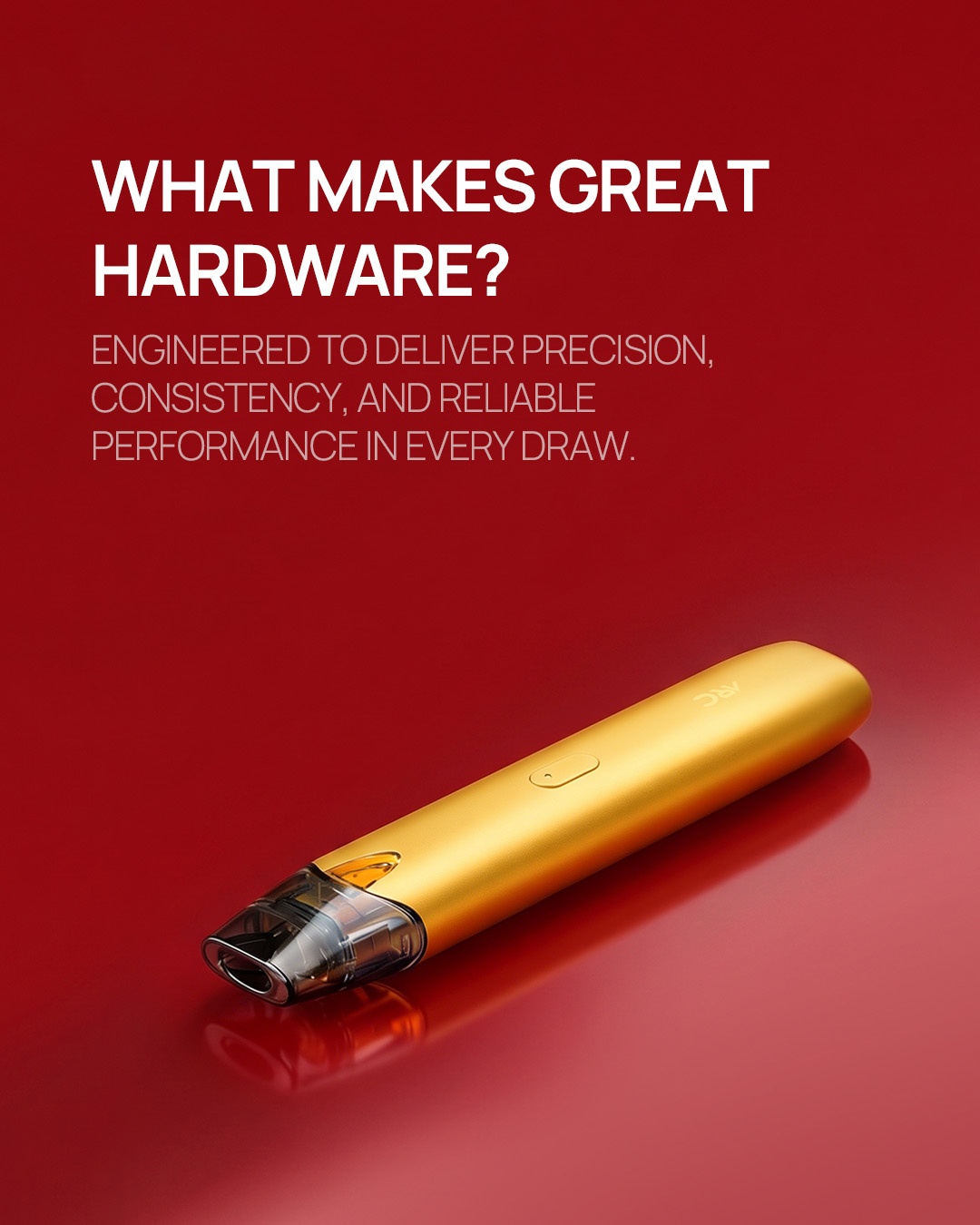
How flavor technology in vape products works collectively, and how the individual components create the total package. How a great heating core is never enough to save poor airflow and weak oil feeding.
Which cartridge components matter most?
The main parts of the vaporizer are: the heating material, airflow path, oil path, wick, coiled heating element, vaporization chamber, seals, and mouthpiece. The type of heating material impacts temperature. The airflow can be adjusted to impact vapor density and draw feel. The oil path is what feeds the oil to the wick. The size of the vaporization chamber can impact how much surface contact the extract has with the inside of the vaporization chamber.
For flavor-focused cartridges, the buyer should look at the entire internal route to the contacts, not just the tank size and how the thing looks.
What should buyers test before bulk orders?
A practical test plan for cannabis vape oils could include first-draw flavor, repeated-draw flavor, draw resistance, leakage, clogging, residue, oil compatibility, storage stability, and flavor testing after a transport simulation.
| Hardware factor | Flavor risk | Buyer check |
|---|---|---|
| Heating core | Burnt or muted taste | Heat response and stability |
| Airflow | Harsh or weak vapor | Draw resistance |
| Oil path | Dry hits | Viscosity matching |
| Chamber | Material interference | Glass, ceramic, or metal contact |
| Coil and wick | Degradation | Residue and repeat draws |
Why does metal-free technology help preserve flavor?
Design without metal, to avoid direct contact of oil or vapor with metal parts. Especially relevant for brands that are selling flavor-led products.
Why do glass and ceramic matter?
Glass is valuable in this context because it is a chemically stable material that won’t contaminate the oil in your system and introduce an unwanted flavor to the oil. Ceramic heating structures can create a very even heat distribution if properly designed.
Nextvapor’s technology page describes their use of ceramic heating elements for stable temperature and even heat distribution, as well as their use of Nextvapor’s VitraCore glass-heat technology for heating glass, as well as their metal-free contact path.
Why can reducing metal contact improve taste perception?
The use of metal contact can give rise to unpleasant notes, reactivity and a negative perception by consumers. A metal-free design does not necessarily provide the best performance, however it does enable a cleaner flavor profile when combined with the right temperature, closed construction and correct oil.
For terpene preservation products test material choice with filled and aged samples before they hit the market.
Why does temperature stability matter for flavor preservation?
Temperature stability is one of the hardware factors that affect flavor and is more important than high temperature. Temperature stability means controlled heat, not extreme heat.
How do glass and ceramic heating support stable output?
The design of glass or ceramic heated surfaces can spread the heat over the entire surface of oil contact. The structure and power of the heating surface can affect the distribution of the heat to prevent localized overheating and oil residue build-up.
Nextvapor describes their ceramic cores as thermally stable and chemically inert cores providing stable vaping performance over a wide range of viscosities.
Why does constant temperature matter across repeated draws?
A cool first hit followed by an over heated hit can lead to inconsistent flavor profiles, particularly problematic for products like live resin and rosin, where the aroma compounds are the main component and drive the user’s experience.
Buyers should test the battery for output, preheat performance, voltage range, thermal recovery, and repeated draws.
How should buyers choose the right cartridge for maximum flavor?
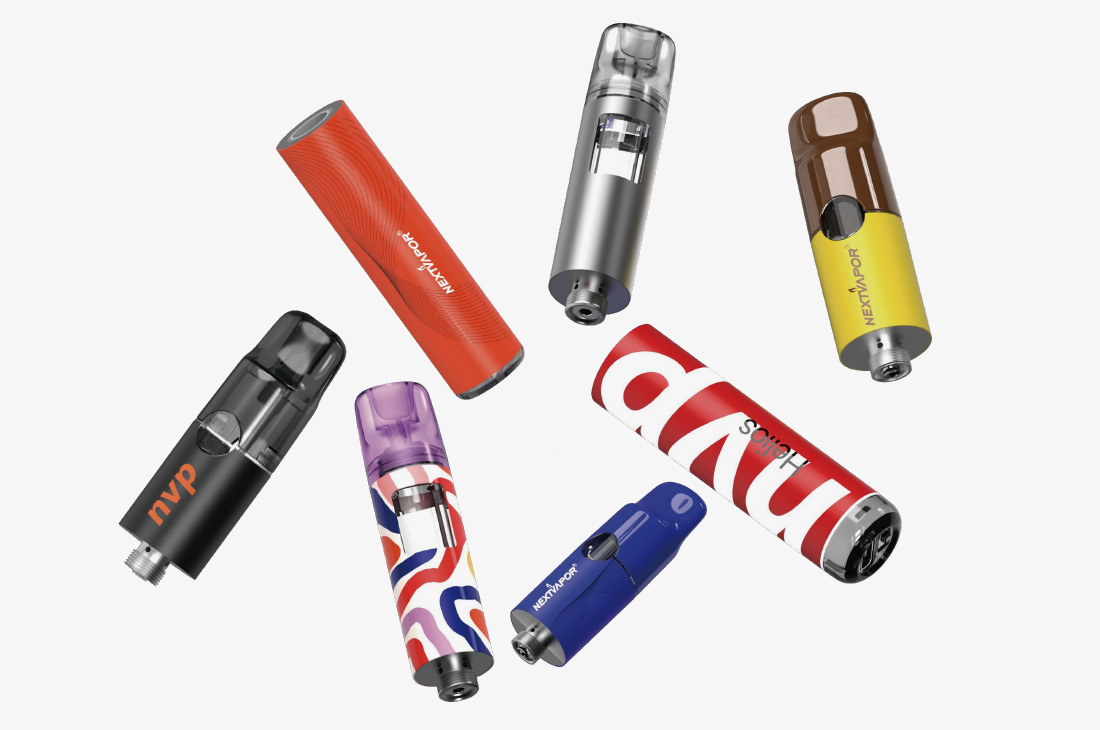
The right cartridge is dependent on the extract being used. When selecting the right hardware to use with your oil, one should first take note of oil viscosity, terpene level, formulation stability and lastly the target user experience.
Which oils need which hardware approach?
Live Resin typically requires strong terpene preservation, clean material contact and smooth oil flow. Rosin can require controlled heat as it can be very thick and leave residue. Distillate typically requires reliable feeding, consistent vapor production and good airflow.
Don’t force oils to go into one cartridge design without testing.
What questions should brands ask the manufacturer?
When selecting a cannabis vape hardware supplier, Brands should ask questions on heating core material, oil-path design, metal contact, airflow structure, filling process, leak testing and clog testing and more. They should also investigate MOQ, ability to customise and after sales support. Further it is advisable to test aged samples as flavour can deteriorate dramatically after storage.
A cartridge that tastes well on day one should continue to taste well after packaging, transportation, and shelf life.
Which hardware partner can support flavor-focused cannabis vape projects?
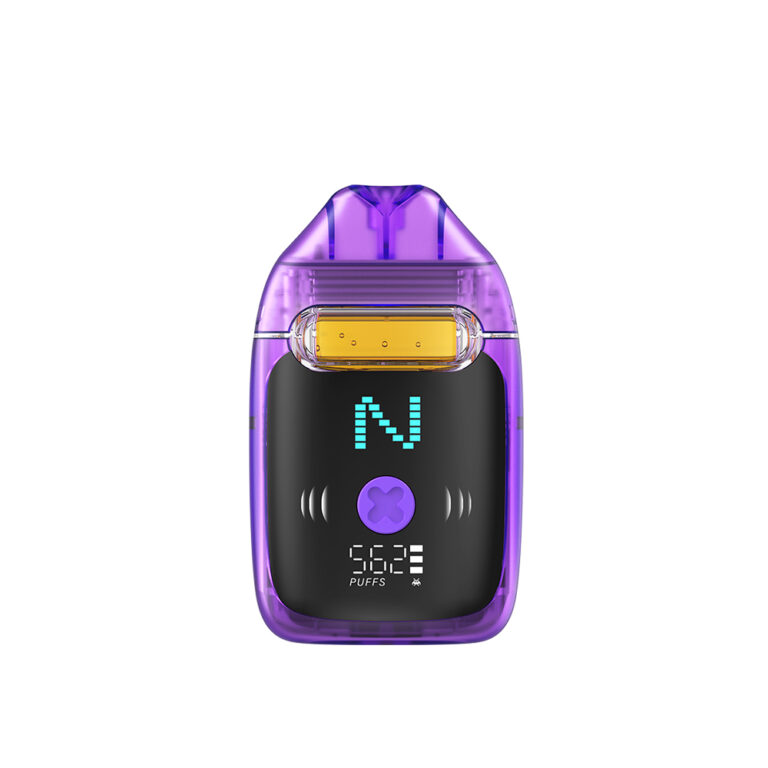
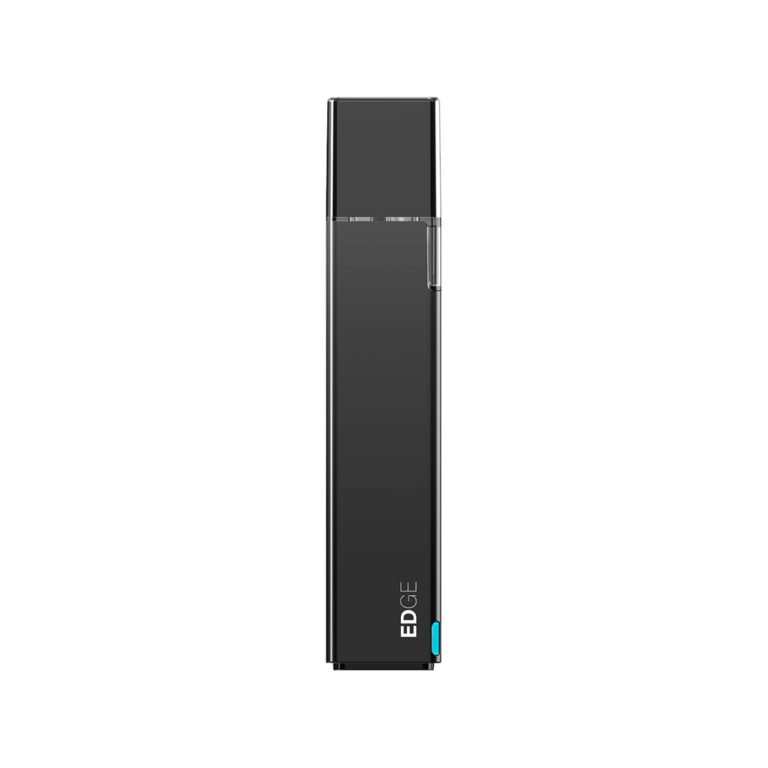
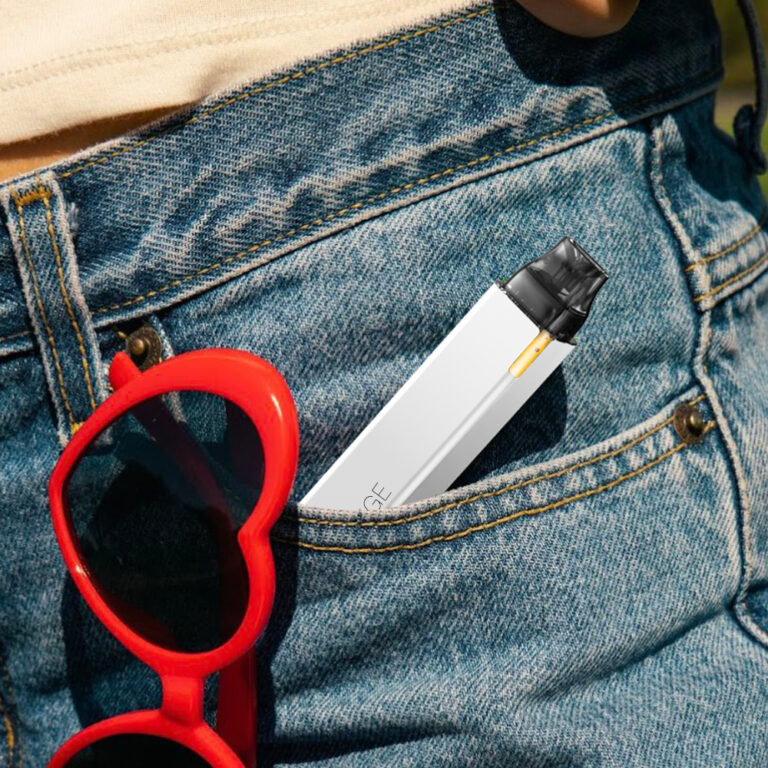
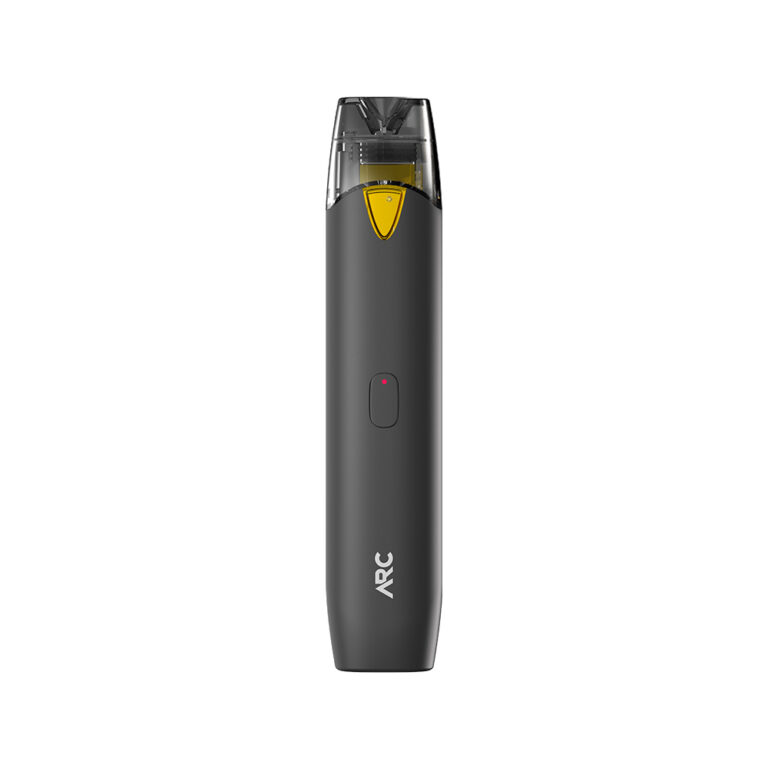
Nextvapor is a manufacturer of cannabis vape hardware, including all-in-one devices, pod systems, vape cartridges, batteries, live resin and rosin vapor hardware, adjustable power vapor products, buttonless vapor devices, and metal-free vapor path solutions. Their website highlights features of their products including ceramic heating elements, glass-heating elements, postless design, airflow control, automated filling and capping for vapor cartridges, and OEM/ODM vapor manufacturing. For brands of flavor preservation vape products, terpene preservation vape products, and general best vape flavor technology, the range of products by Nextvapor could be useful for discussing oil compatibility, material contact, temperature, airflow, filling, and other aspects of custom vape hardware development. It’s always a good idea to compare product samples, compare product specifications, compare test reports, compare pricing, compare delivery terms and compare after sales service provided by the different possible suppliers before making a final choice.
Conclusion
Preserving flavor in cannabis vapes is as much a hardware issue as it is an oil formula issue. The terpenes and cannabinoids in the extract can be affected by a variety of factors including heat, oxidation, material, airflow, and oil flow. All of these factors are determined by the cartridge, heating core, wick, chamber, and airflow path. Using metal-free glass and ceramic in the design of the vaporizer, combined with stable temperature control, can help to prevent unwanted flavors from entering into the taste of the vapor. When it comes to scaling up production of cannabis extracts for the vape market, the safest approach for a cannabis brand will be to match each extract with the best hardware for that extract before releasing it to market.
FAQs
1. What affects flavor preservation in cannabis vapes?
Heating stability, oil flow, airflow, chamber material, coil design, wick, sealing and storage conditions all affect flavor.
2. Why do cannabis vapes lose flavor?
Flavor could disappear due to excess heat, oxidation, uneven heating, poor oil circulation, deteriorated heating coil or wrong material contact etc.
3. Does metal-free vape hardware always taste better?
Not automatically. Metal-free vape hardware may help reduce unwanted material interference, but flavor also depends on heating stability, airflow design, sealing performance, oil compatibility, and storage conditions.
4. Which cartridge is better for live resin?
Live resin usually works better with cartridges that provide stable temperature control, a clean vapor path, low material interference, and reliable oil feeding. Buyers should test the cartridge with the actual live resin formulation before placing bulk orders.
5. What should brands test before ordering vape hardware?
Check flavor consistency, leakage, clogging, airflow, heating, oil compatibility, repeated puffs, and aged samples.