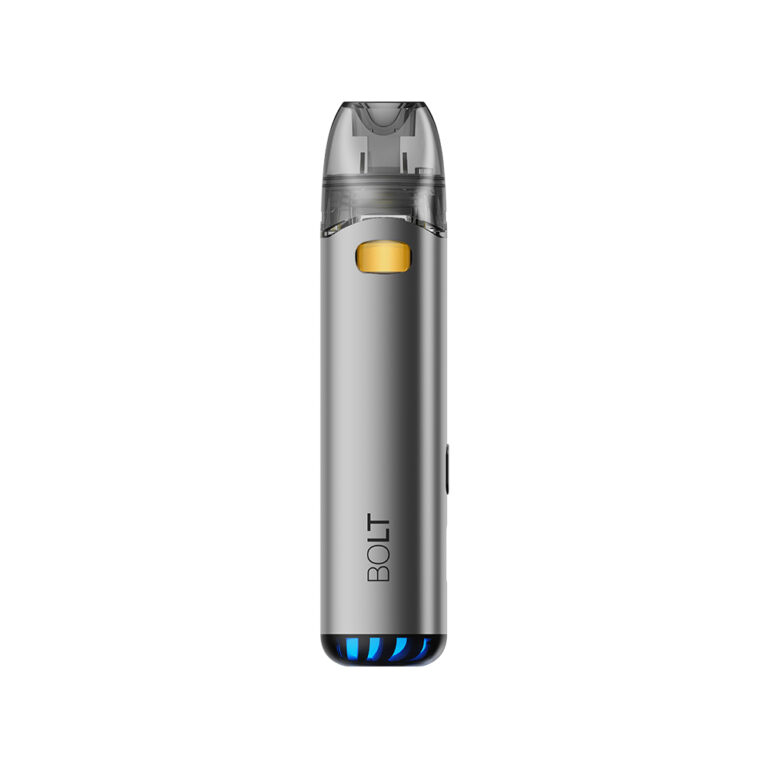
The cannabis vape hardware market has seen a revolutionary shift to pod system vapes for cannabis oil brands. By providing more sophisticated and convenient ways to use cannabis, pod system vapes have become the go-to form of cannabis oil consumption for both recreational and medical users. As the market transitions to stricter quality control measures and evolving demands of consumers by 2026, choosing the right pod system will play a significant role in defining the cannabis oil brand and fostering compliance and user satisfaction.
The Evolution of Pod Systems in Cannabis Vaping
Cannabis oil vaporizers were initially developed to use in the same type of pod systems that were created for nicotine e-liquids in vapor products. These e-liquids are typically very thin and most initial pod systems were not able to handle thicker cannabis oils with high levels of terpenes. In order to fill this void, pod systems for cannabis were quickly made into closed system pods as well as refillable pods that are specifically designed for oil-based vapor products.
Technology has also been evolving rapidly and now many of the pod systems on the market contain microchips which can control the voltage, temperature and also have a safety cutoff. This technology allows for consistent vaporization and also provides a number of benefits including better tasting products, and less chance of the product to deteriorate due to overheating. For the higher end cannabis products this is a very important factor.
Why Pod Systems Are Gaining Popularity Among Cannabis Oil Brands
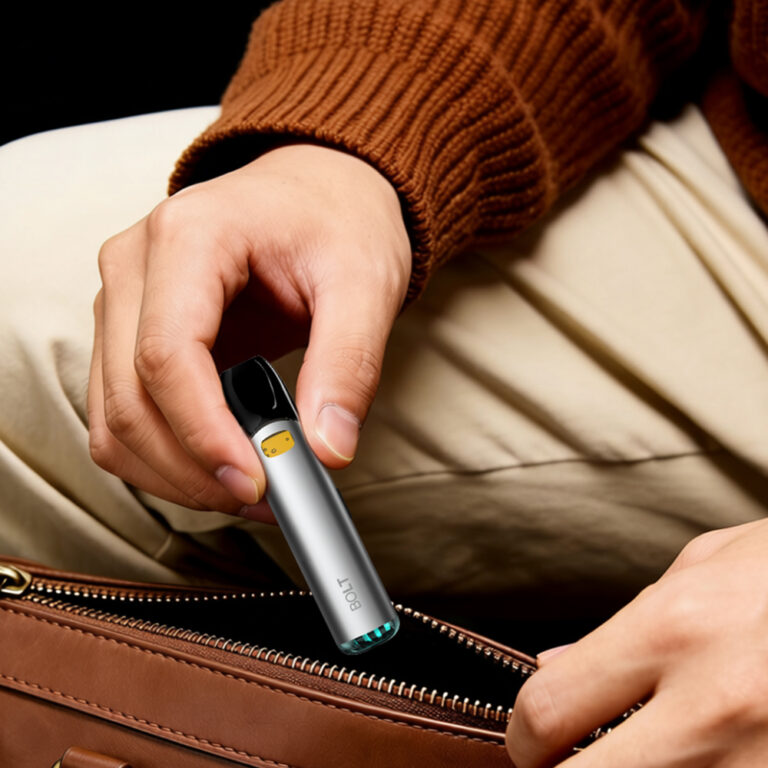
Cannabis oil brands are opting for pod systems in greater numbers. Not only are they portable and offer up strong vapor, pod systems are also highly portable, allowing users to take them on the go with ease and discreetly. With many brands looking to establish themselves within the cannabis market, pod systems also offer up a controlled dose of cannabis every time, meaning that users can expect the same level of vapor with every use. This is particularly important for any medical users, who are likely to be using cannabis oil as part of their treatment for a number of different conditions, and who will be relying on the oil to provide them with a consistent level of cannabinoids.
The compatibility of high-end cannabis oil formulations allows for brand differentiation with regard to taste consistency and potency preservation. The standardization of hardware enables brands to ensure that their cannabis oil acts identically on all devices, further reinforcing the brand’s reliability for its users.
What Technical Factors Matter Most When Choosing a Pod System Vape?
Determining the best pod system vape for you requires an in-depth analysis of the technical aspects of the device in relation to cannabis oil.
Material Compatibility with Cannabis Oils
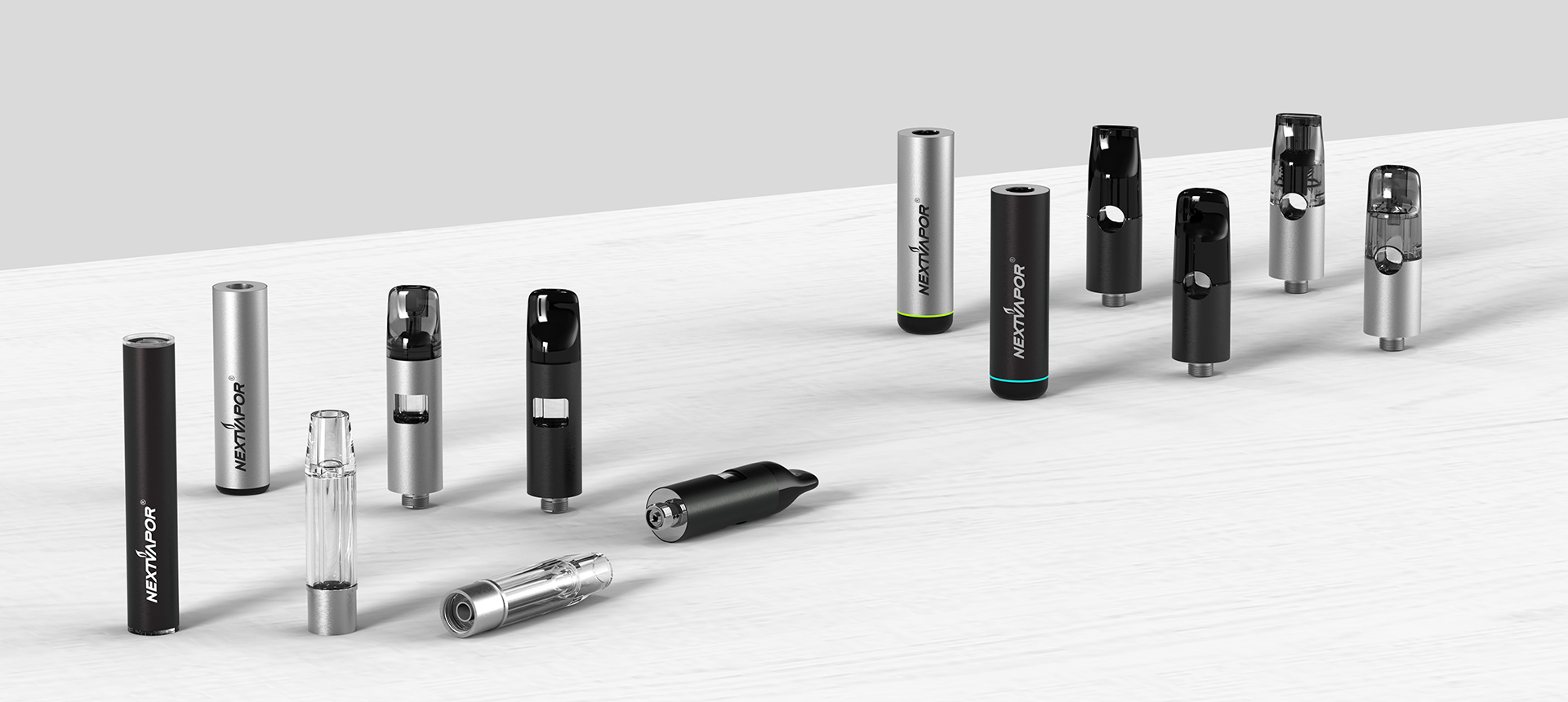
Cannabis oils are comprised of cannabinoids and terpenes. As with any oil, these can react with certain materials and need to be engineered properly. When selecting materials for cannabis oil delivery systems, it is important to choose those that will not degrade or leach. Ideal materials include stainless steel, ceramic, glass, and medical-grade polymers. These materials are inert and will not affect the oil’s purity. Using inferior materials can lead to contamination and affect the flavor, negatively impacting the overall safety and user experience.
Heating Technology and Coil Design
The heating element is a critical component of vapor quality. Ceramic coated heating elements, particularly those found in ceramic coated coils, are among the most popular types of heating elements for vaporizers due to their consistent and even heat distribution. The even heat distribution allows for the best flavor and ensures that the oil does not burn. Other types of heating elements, such as mesh heating elements and wick-based heating elements, can also provide good vapor quality, however. For example, mesh heating elements heat up quickly and provide large amounts of vapor, however, they require precise power control in order to prevent overheating. The wick-based type of heating element is the least expensive type of heating element, but can have difficulty vaporizing thicker oils.
Modern temperature control has come a long way in recent years and is now controlled by advanced chipsets that accurately monitor and control the temperature of the coil within a margin of error. This allows cannabinoids to be fully activated while being combusted to avoid destroying the terpene aromas within and resulting in an uncomfortable and harsh inhalation.
Battery Performance and Power Management
The design of the battery affects user experience and the functionality of a device. Steady voltage at a high level is required to guarantee a constant amount of vapor in thick and high-viscosity cannabis oils. This can be achieved with adjustable voltage or with smart power supply in devices. Depending on the cannabis oil the device can then be adjusted for the best results.
By 2026, the hardware standards and fast-charging by means of the USB-C ports will become industry standards. In addition, certifications such as CE, RoHS or UL for safety will become common practice. For the markets that are regulated, the corresponding Battery management systems, which prevent a short-circuit as well as a thermal runaway, will be necessary for the compliance.
How Can Cannabis Oil Brands Customize Their Pod Systems?
Customization is key for brands in the crowded vape market to stand out from the competition.
Branding Through Design and Form Factor
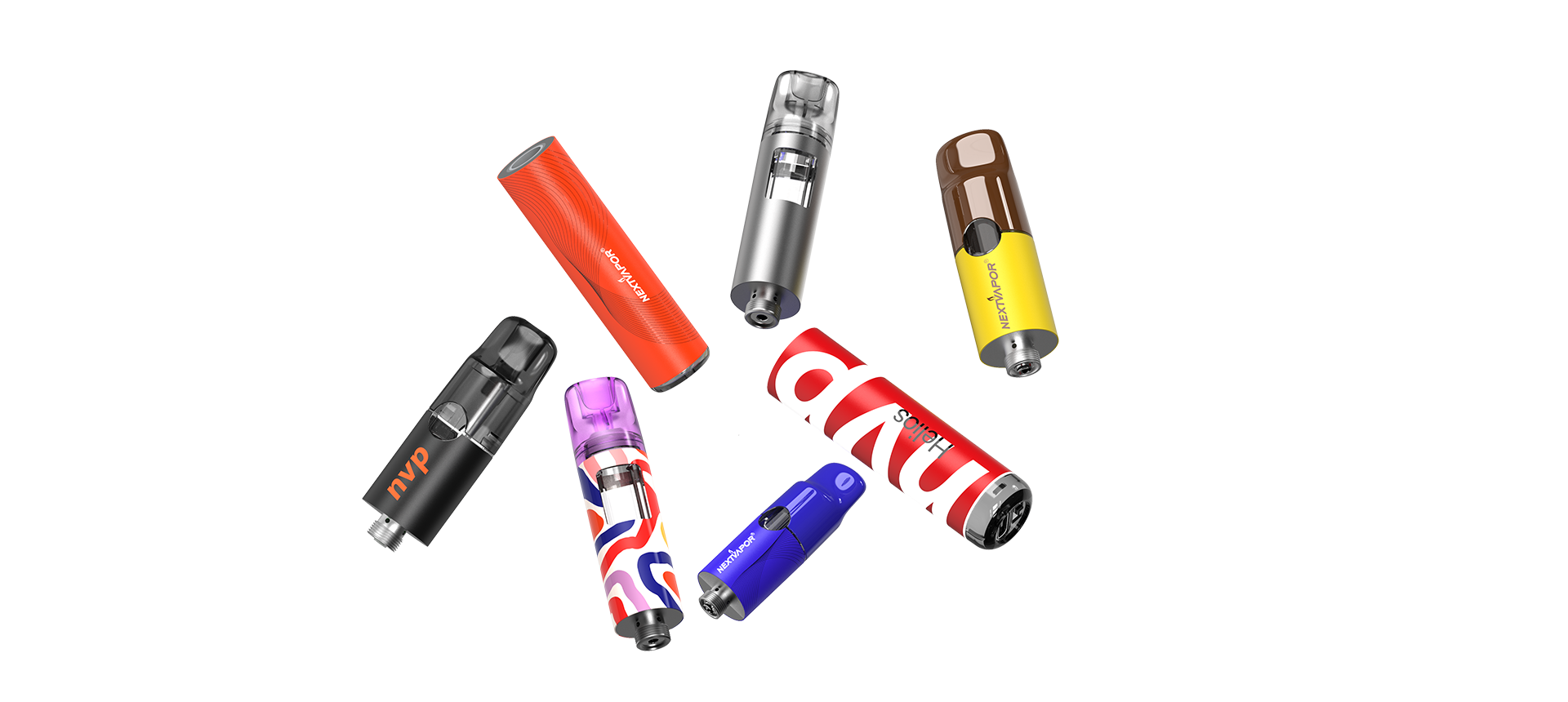
Pod systems nowadays can be designed to fit any brand identity, by using different shapes and surface finishes such as matte finish or metallic accents. Also, by taking into account aspects such as the angle of the mouthpiece or the weight distribution on the pod, the comfort level for the user and the perception of quality can be influenced.
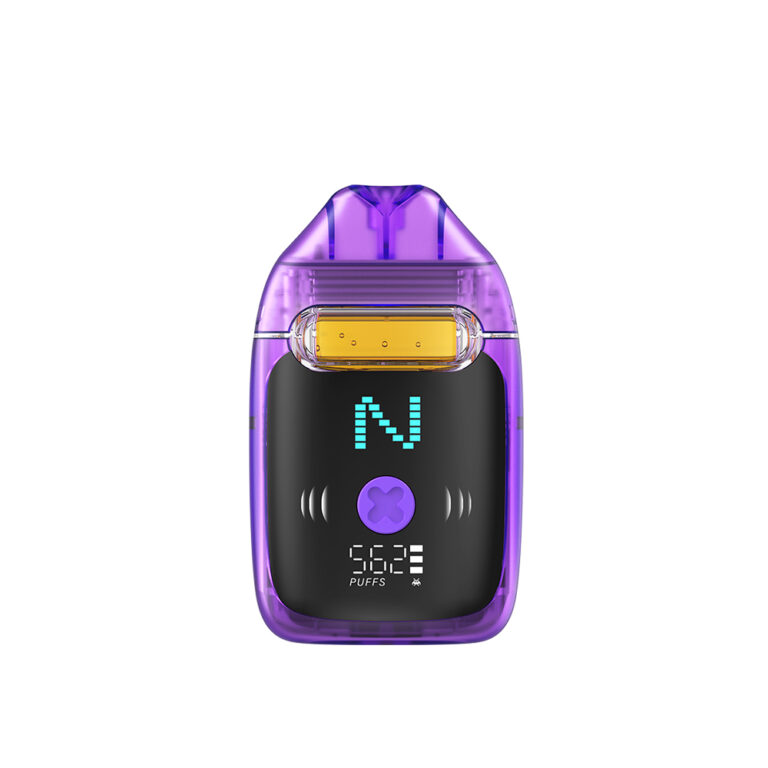
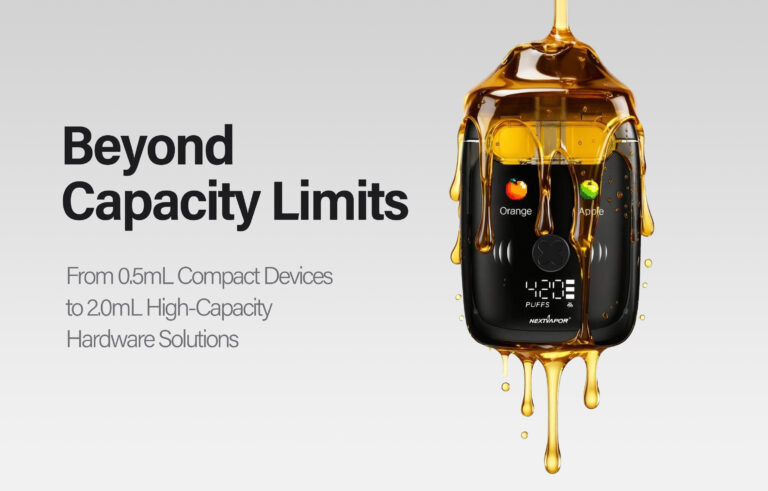
Some advanced e-liquids designs include integrated LED indicators or even digital displays that show the battery’s status or even the number of puffs the user has taken. These types of design elements increase interaction with the product and reinforce the product’s premium status.
Firmware and Smart Features Integration
Smart technology is increasingly becoming part of the pod system vape users interact with on a daily basis. Features of the latest smart technology include the Bluetooth connectivity of smart devices. Users can track dosages of their e-liquid using an app, or lock their devices with a child lock to enhance safety compliance. By collecting data from connected devices, brands can gain valuable insight into the consumption trends of different demographics. All information collected is safeguarded with the user’s privacy in mind by using encrypted data protocols.
But as these features get integrated into a product, they fall under the same regulations as any other electronic data collection, especially in North America and Europe, where product certification is intertwined with privacy laws.
How Do Manufacturers Ensure Compliance, Safety, and Quality by 2026?
With Global Markets cracking down on vaping products and imposing stricter regulatory requirements, we at Jvdrip take compliance seriously and expect the same from any legitimate manufacturer or brand partner.
Meeting Global Regulatory Requirements
By 2026, international standards such as ISO 9001 for quality management, CE marking for European conformity, RoHS restrictions on hazardous substances, and GMP manufacturing protocols will define eligibility for market entry across regions like North America, Europe, and Asia-Pacific. Manufacturers must also implement traceability measures within their supply chains—ensuring every component from battery cells to mouthpieces can be verified back to its origin supplier.
Ensuring Consumer Safety Through Rigorous Testing Protocols
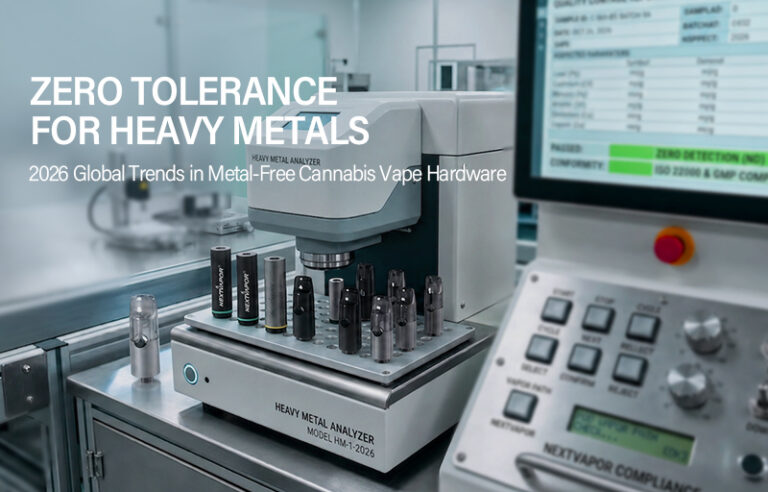
Our rigorous testing procedures for ensuring the device can withstand different temperatures as well as withstand being stored or transported and not leak. Heavy metal testing is also performed to verify that there are no heavy metals from the internal components of the device that can leach into the cannabis oil chamber. Battery stress testing for overcharge scenarios to prevent overheating, a critical aspect of ensuring consumer safety as various health authorities around the world are starting to take a closer look.
How Should Brands Evaluate Supplier Partnerships for Long-Term Growth?
Your hardware partner can determine short-term success of your products as well as your ability to innovate within your brand’s ecosystem in the long run.
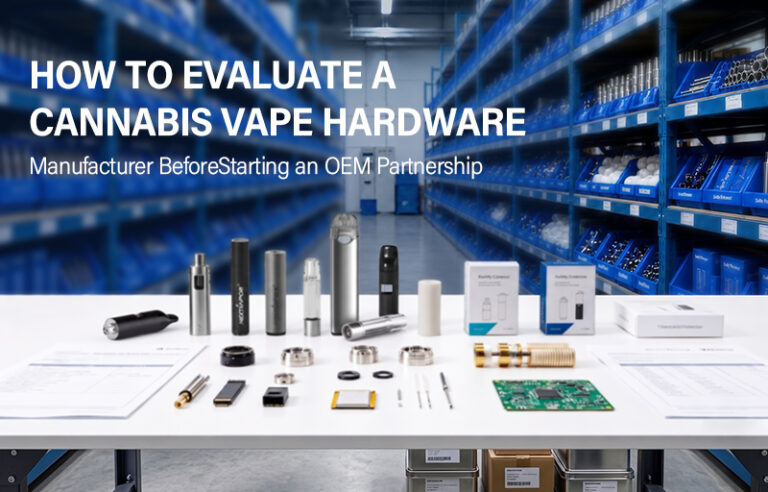
Criteria for Selecting a Reliable Vape Hardware Manufacturer
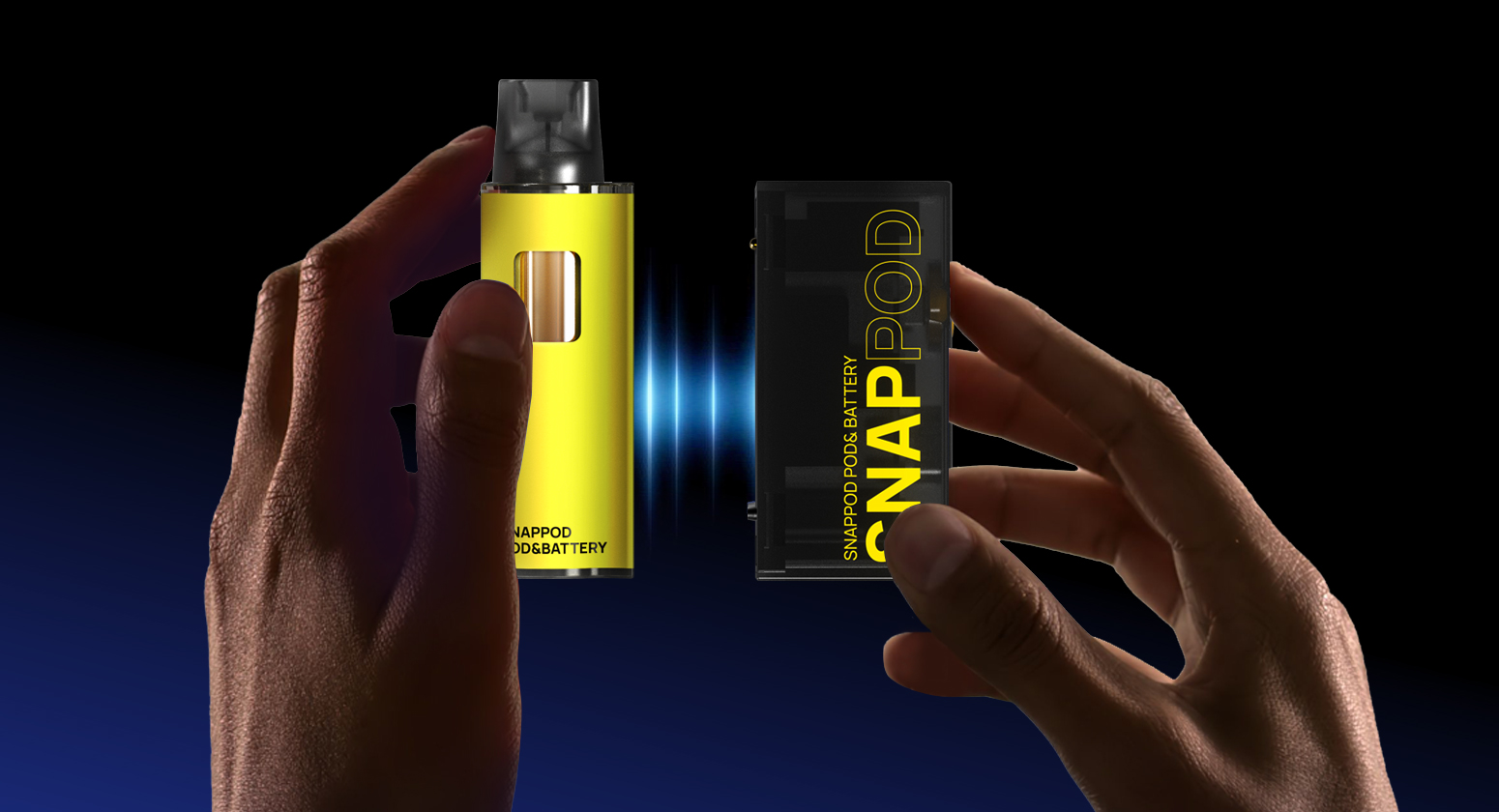
A supplier for cannabis vape pens can rely on us for new pod systems with R&D as well as for production. Our many years of experience enable us to meet any quantity of orders and maintain the highest quality. We also take care of after-sales service and warrant our products. This is very important to build up business-to-business relations.
Building Collaborative Development Models with OEM/ODM Partners
By co-developing proprietary pod systems as an OEM or ODM partner, a brand can design the device to fit within the specific parameters of a formula’s viscosity or a product’s terpene profile. The proprietary design is protected with design patents. The brand can also private label devices that are developed by another company. It is then easy to have prototypes made and go through a testing and iteration process with open communication, all while keeping compliance with relevant regulations and going to market as quickly as possible.
Nextvapor — A Trusted Partner in Vape Hardware Innovation
Nextvapor is a leading supplier of high end cannabis vape hardware for modern and high performance brands. Nextvapor has advanced R&D department and factories that comply with international manufacturing standard such as ISO and GMP. Nextvapor provides one stop solution for every pod system from design to mass production. Our products can be 100% customized to fit each brand’s image and concept while meeting safety standards of all countries around the world.
Conclusion
By 2026 the cannabis industry will reach maturity and the experience of cannabis oils will be largely influenced by pod system vapes. With innovation contrasting against the strict nature of compliance, brands will require hardware partners who are able to deliver technically sound products. That means products made from quality materials, that feature clever functionality and adhere to relevant regulations. Choose the right hardware partner and the brand will reap the rewards in the long term.
FAQs
1. What are ceramic coils better than in cannabis pod systems?
Ceramic coils provide for best even heat and protect the flavors of the terpenes in the cannabis oil. Due to its structure thick cannabis oils will not be combusted as it is the case with wick-based coils. Therefore a smooth vapor is produced.
2. Smart features of modern vape products. How they improve user experience?
Smart features of modern vape products enhance user experience through smart features of modern vape products such as Bluetooth connectivity. By means of the app for smartphones and / or tablets users of modern vape products are able to register the amounts of consumed e-liquid, and also to block their vaporizers remotely.
3. Why supplier traceability within the manufacturing of vape products is important ?
Because every component used within a vape product must meet the safety standards of certified approval. As a manufacturer, it is crucial that should a fault occur within a product that the manufacturer is able to identify the cause for audit or recall purposes to safeguard their customers and brand alike.