


 “Zero tolerance” is becoming a useful purchasing mindset, even though regulators do not literally require zero detectable metal. California’s January 2026 rules still use action levels for cadmium, lead, arsenic, and mercury in inhalable cannabis products. New York’s February 2026 limits go further, adding antimony, chromium, copper, and nickel to the inhalation list. That shift changes the hardware conversation. Passing the incoming oil is only one checkpoint; the filled device, storage period, heater, and complete vapor path now deserve equal attention.
Why Are Heavy Metals Becoming a Hardware Problem, Not Just an Oil Problem?
Cannabis extract can enter the factory within specification and still pick up metals later. The cartridge itself may become part of the contamination pathway once oil sits against internal components.
Where can metals enter the filled device?
Potential sources include brass center posts, plated parts, solder, stainless-steel components, heater alloys, terminals, and metallic joints near the oil or airflow path. Contact area matters. So do storage time, temperature, surface finish, assembly residue, and the exact formulation being filled.
Health Canada warns that heavy metals can leach into cannabis concentrates and later be inhaled. Its research program has also reported cobalt, copper, chromium, nickel, and vanadium—metals commonly associated with device alloys—in cannabis vape liquids.
Why can a cartridge pass at filling and fail later?
A device may spend weeks in a warehouse and longer at distribution or retail. During that time, the extract remains in continuous contact with the tank, heater area, seals, and internal fittings.
That creates a simple testing gap. Day-one oil results describe the formulation at filling; they do not necessarily describe the product after commercial aging. For risk review, incoming oil, empty hardware, and aged filled hardware should be treated as three different samples.
What Does “Metal-Free” Vape Hardware Really Mean in 2026?
The term needs a practical definition. A battery-powered vaporizer cannot contain literally no metal. Electrical contacts, batteries, and most heater systems still require conductive materials somewhere inside the device.
Which parts matter most in a metal-free vapor path?
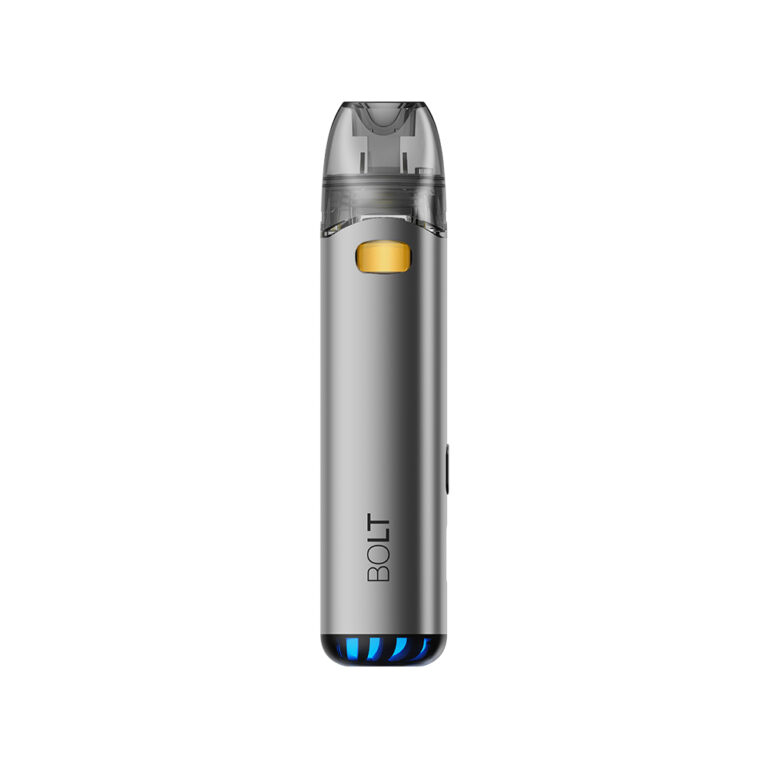
The useful target is zero exposed metal contact with oil, or as little exposed metal as the design can reasonably achieve. Ceramic, glass, and compatible engineered polymers can replace metal in reservoirs, center structures, and mouthpieces. Ceramic heater structures can also isolate conductive elements from direct oil contact.
An “all-ceramic” appearance is not proof. Hidden electrodes or terminals may remain. The real question is whether oil or generated aerosol can touch those surfaces during filling, storage, heating, or normal use.
Why are postless designs getting more attention?
A traditional metal center post adds another wetted surface and another joint through the reservoir. Removing it can simplify the oil chamber and eliminate one obvious contact point. It can also change airflow and filling geometry.
But postless does not mean risk-free. Heater interfaces, seals, terminals, adhesives, and nearby hardware still need review. A component-level vapor-path drawing says far more than a “metal-free” badge on a specification sheet.
Which Design Choices Reduce Metal-Transfer Risk?

Swapping one brass part for ceramic is not enough if exposed plating, terminals, or heater components remain elsewhere. Heavy-metal control works at system level.
Which materials deserve the closest scrutiny?
Ceramic and glass are useful where the goal is to reduce metallic surfaces in the reservoir and vapor path. Polymers may also be appropriate, but their temperature behavior, extractables, chemical compatibility, dimensional stability, and sealing performance need verification.
Where metal remains, specify the actual alloy. “Stainless steel” or “brass” is too broad for a controlled BOM. Plating composition, thickness, and underlying substrate also matter, particularly on small press-fit parts that are easily overlooked.
Can the heating system still introduce metals?
Yes. The heater deserves separate attention because it operates at elevated temperature and directly creates the aerosol. Ceramic heating can shield or embed conductive elements, but analytical testing must confirm the behavior of the finished assembly.
Power changes the picture too. Health Canada notes that vaping exposure depends partly on device type and temperature setting. Hardware with preheat or adjustable voltage should therefore be evaluated across its intended operating range, not only at one mild setting.
How Should Brands Test Metal-Free Hardware Before Launch?
A material declaration is useful for screening. It is not a substitute for testing the production-intent device with the formulation that will actually be sold.
What belongs in a meaningful qualification plan?
Begin with the wetted-path BOM. Identify every material touching oil or aerosol: ceramic, glass, polymers, alloys, plating, heater elements, seals, adhesives, and joining materials. Empty-hardware screening can reveal unexpected metals before filling starts.
Then fill representative devices and age them under defined conditions. Test the stored oil and, where the market or risk assessment requires it, the generated aerosol. California’s current rules require heavy-metal testing of representative cannabis-product samples; New York’s 2026 limits cover eight trace or heavy metals for inhalation products.
Why test more than one age point or formulation?
Migration may not appear immediately. An early result can look clean while a later sample shows a different pattern after prolonged contact. Different extracts can behave differently as well, so one qualification should not automatically be carried across every formulation.
Production changes are another weak point. A new ceramic vendor, heater revision, plating supplier, or terminal alloy can alter the result without changing the exterior. Retained samples and formal change control matter for exactly that reason.
What Should Buyers Demand From Vape Hardware Suppliers in 2026?
A serious supplier should be able to show where metal remains, why it remains there, and how that choice has been evaluated. Marketing language comes after the engineering record.
Which documents should support a purchasing decision?
Ask for the controlled BOM, vapor-path drawing, material declarations, heater construction, plating details where applicable, and test reports tied to the exact hardware revision. Model number, sample date, material revision, and laboratory method should be traceable.
Multi-market programs need another check. California and New York both regulate heavy metals in inhalable cannabis products, but their analyte lists are not identical. There is no single global “zero-metal” threshold that replaces jurisdiction-specific review.
What controls protect repeat orders?
Incoming inspection should verify critical ceramic, glass, polymer, heater, terminal, and seal parts against the approved specification. Assembly controls need to cover cleanliness, press fits, joining, resistance, leakage, and visible contamination.
Any change to an oil-contact material, heater structure, plating process, component source, or assembly method deserves technical review. A later batch can look identical to the approved device while carrying a different metal-transfer risk.
How Can a Cannabis Vape Hardware Manufacturer Support Metal-Free Device Development?
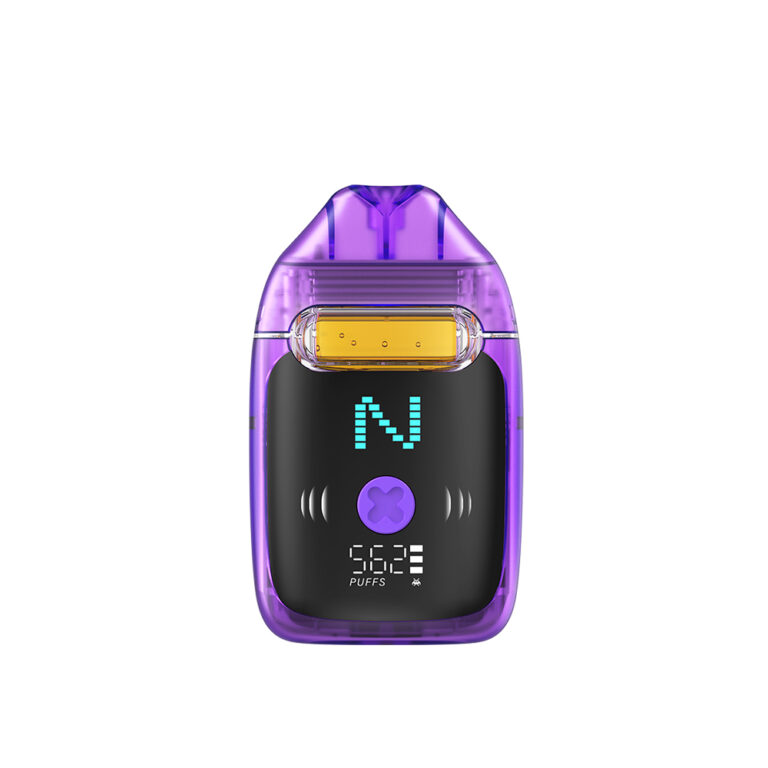
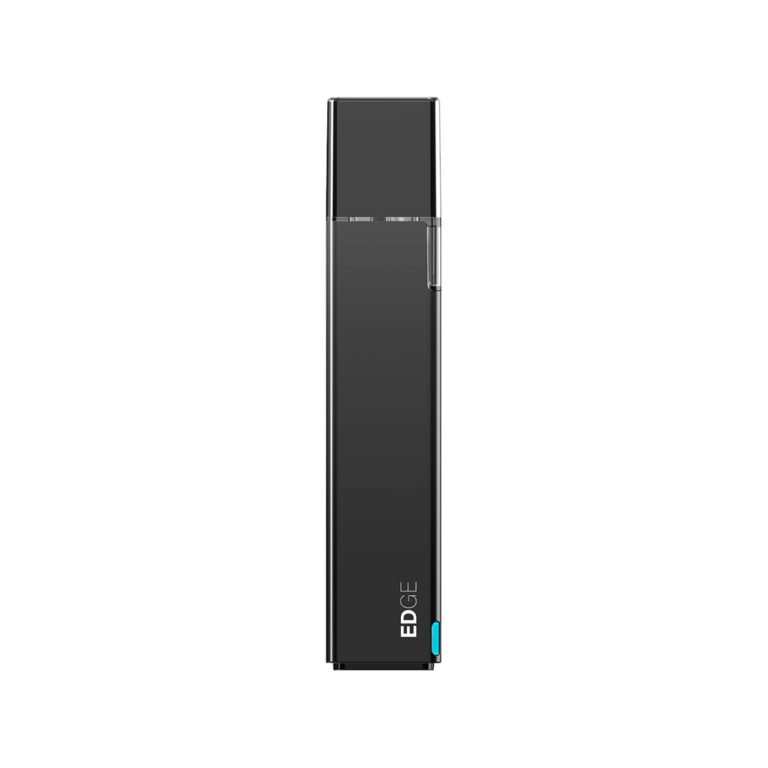
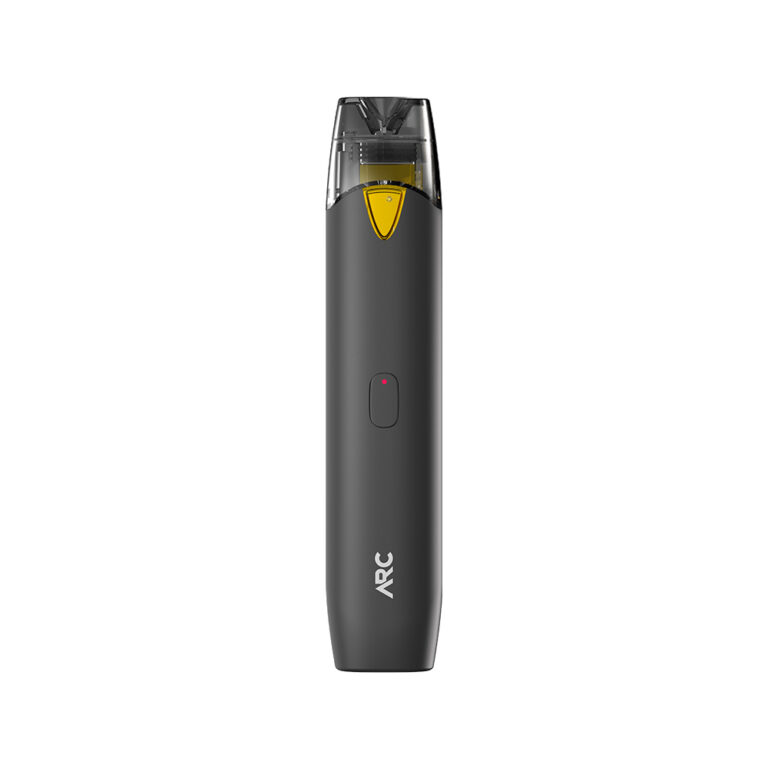
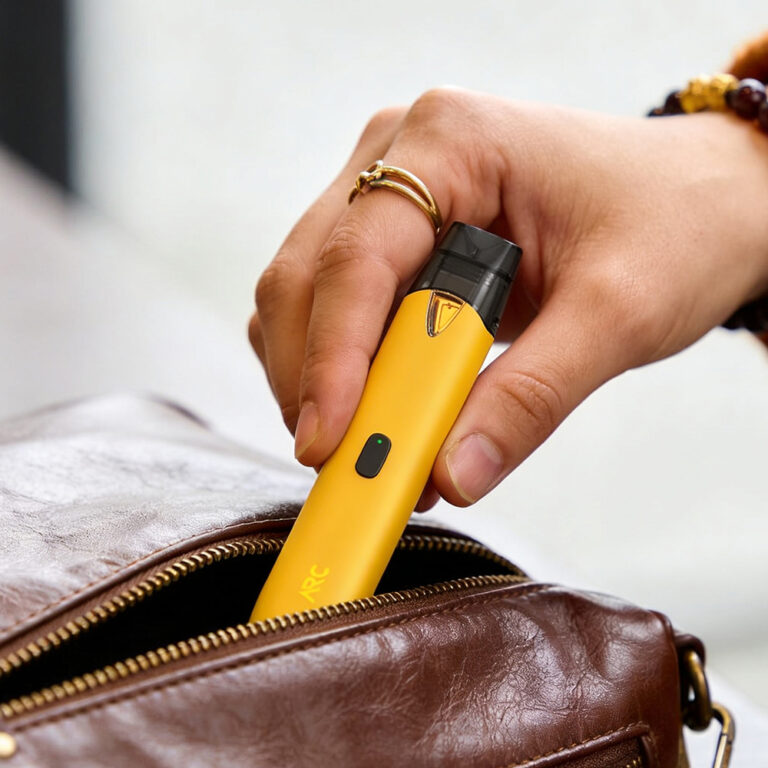
Nextvapor manufactures cartridges, all-in-one devices, pod systems, and batteries, with current product development emphasizing postless architecture, ceramic heating, and designs intended to prevent metal contact with oil in the vapor path. A project can start with oil type, capacity, power strategy, airflow, filling method, storage period, target markets, and the planned heavy-metal test program. Before production, brands should approve the wetted-path BOM, heater construction, drawings, production samples, aging protocol, analytical requirements, inspection criteria, traceability, and written change-control rules. That record gives compliance teams, fillers, laboratories, and receiving inspectors a common technical reference, especially when one hardware platform serves several formulations or regulated markets.
Conclusion
In 2026, metal-free cannabis vape hardware is less about claiming that a device contains no metal and more about controlling where metal can contact oil or aerosol. Regulatory limits still differ by market, while testing is moving toward broader analyte lists and greater attention to the filled device. Brands that map the vapor path, age production hardware, verify materials, and control later component changes are better positioned to manage heavy-metal risk without relying on a marketing label.
FAQs
1. Does metal-free cannabis vape hardware contain absolutely no metal?
No. Batteries, electrical contacts, and heater elements may still contain metal. The useful definition focuses on eliminating or isolating exposed metal from the oil-contact and aerosol-contact pathway.
2. Which heavy metals matter most in cannabis vape testing?
Requirements vary by jurisdiction. Common regulated or investigated metals include lead, cadmium, arsenic, mercury, nickel, chromium, copper, antimony, cobalt, and other metals associated with device alloys.
3. Why should filled cannabis vape hardware be tested after aging?
Metal migration may change during storage because extract remains in continuous contact with internal surfaces. Aging studies can reveal issues that empty-hardware or immediate post-fill testing may miss.
4. Are ceramic cannabis vape cartridges automatically free from heavy-metal risk?
No. Ceramic can reduce exposed metal surfaces, but electrodes, terminals, heater materials, seals, and nearby components still require review. The complete wetted and aerosol path should be evaluated.
5. What should brands request from a metal-free vape hardware supplier?
Request a controlled BOM, material declarations, vapor-path drawings, heater details, sample traceability, relevant test reports, aging protocol, inspection criteria, and written notification before material or process changes.