
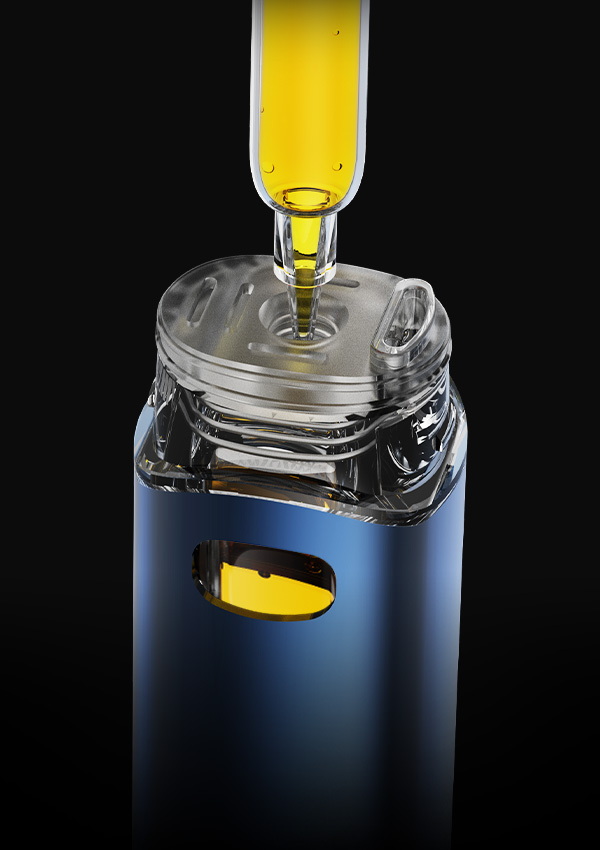

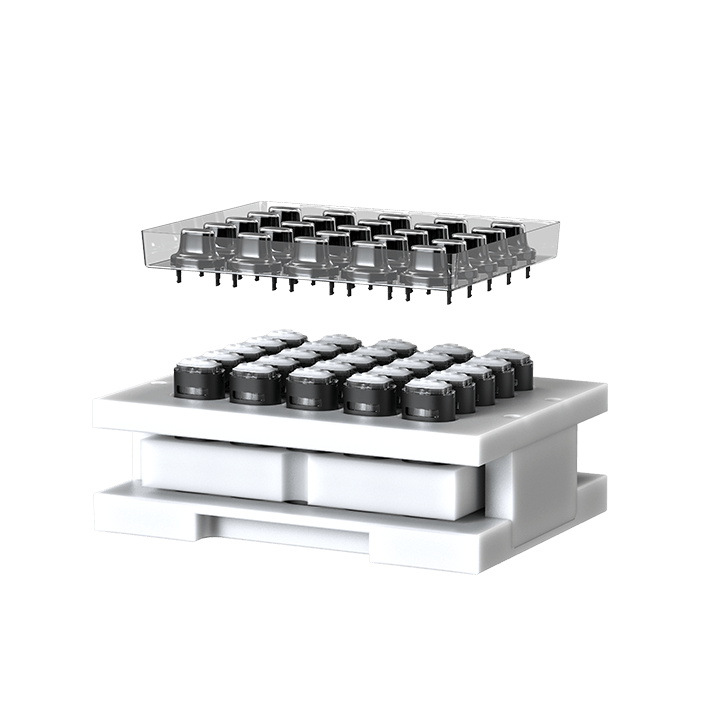
Automated Filling and Capping - Automation for Your Brand
- Fast, Efficient Production with Reduced Labor
- Accurate, Precise Filling for Consistent Quality
- Leak Free Capping for Reliable Performance
- Error-Free Operation with Standardized Process
- Multi-Size Compatibility for Versatile Production
- Professional High Quality Manufacturing for Brand Trust
- Clean, Safe, Hygienic Operation for Maximum Safety
-
How does the automated filling and capping system enhance production efficiency?
Nextvapor’s automated filling and capping system is engineered for high-throughput manufacturing, significantly reducing manual intervention and labor dependency. A fully standardized workflow minimizes operator variability, improves line stability, and enables consistent, repeatable production at scale. -
What level of filling accuracy and consistency can be achieved?
Nextvapor utilizes precision-controlled dispensing technology to achieve highly accurate and repeatable fill volumes. This ensures batch-to-batch consistency, reduces material loss, and supports strict quality control requirements in large-scale production environments. -
How does the capping process ensure leak prevention and device reliability?
Nextvapor’s capping process applies controlled force and precise alignment parameters to produce consistent, leak-resistant seals. This reduces sealing defects, protects product integrity, and ensures reliable performance during storage, transportation, and end use. -
Can the system accommodate multiple product sizes while maintaining safety standards?
Yes. Nextvapor’s automated platform is designed for multi-size compatibility with efficient changeover. All operations are conducted under clean, safe, and hygienic manufacturing conditions, supporting regulated production requirements and reinforcing high-quality, professional manufacturing standards. -
How does the automated system reduce operational errors and improve process reliability?
Nextvapor’s automated system is built on standardized, closed-loop process control to minimize human error. Automated parameter control and repeatable operating sequences ensure stable performance across production runs, improving yield rates, reducing rework, and maintaining consistent manufacturing quality.